Gen AI and Youth Policy Workshop
in partnership with the Leverhulme Centre for the Future of Intelligence at the University of Cambridge
Shaping the Future of AI Policy for Youth Well-being
Workshop Outcomes
This workshop at the University of Cambridge offered a rare opportunity to address one of the most urgent policy challenges of our time:
How might we design policies for AI chatbots that advance youth wellbeing?
In a closed-door, Chatham House–style workshop followed by a public fireside chat, senior leaders from policy, research, industry, and civil society:
Aligned around the risks and potential benefits of AI chatbot use by youth, grounded in the principle of human flourishing.
Addressed gaps in AI governance that often overlook the developmental needs and rights of youth and are failing to ensure that AI technologies foster human flourishing rather than cause harm.
Developed a prototype policy for AI and youth in a whitepaper for policymakers that can be adapted to different jurisdictions and contexts. This whitepaper will be used to inform public dialogues and debates about AI and youth policy.
Launched a bipartisan, transatlantic working group to further develop this policy and other AI and youth policies in the US, UK, and EU.

The Workshop
The Challenge
The introduction of widely available Generative AI (Gen AI) tools in 2022 with the release of ChatGPT was a significant and pivotal event for humanity.
It is the first technology to direct its own activity and to be convincingly human.
Young people have been among the fastest adopters of these new tools, and today are interacting with machines that can mimic human language, human voices and have agency to build ongoing relationships.
Instant, powerful and frictionless, Gen AI is rapidly shaping the lives of children and youth, with profound impacts on their emotional, social and intellectual development.
Gen AI products, including toys, are being marketed to children and youth by companies that have for-profit business models and corporate governance structures that ultimately seek to maximize “lifetime user value” and shareholder value.
The Opportunity
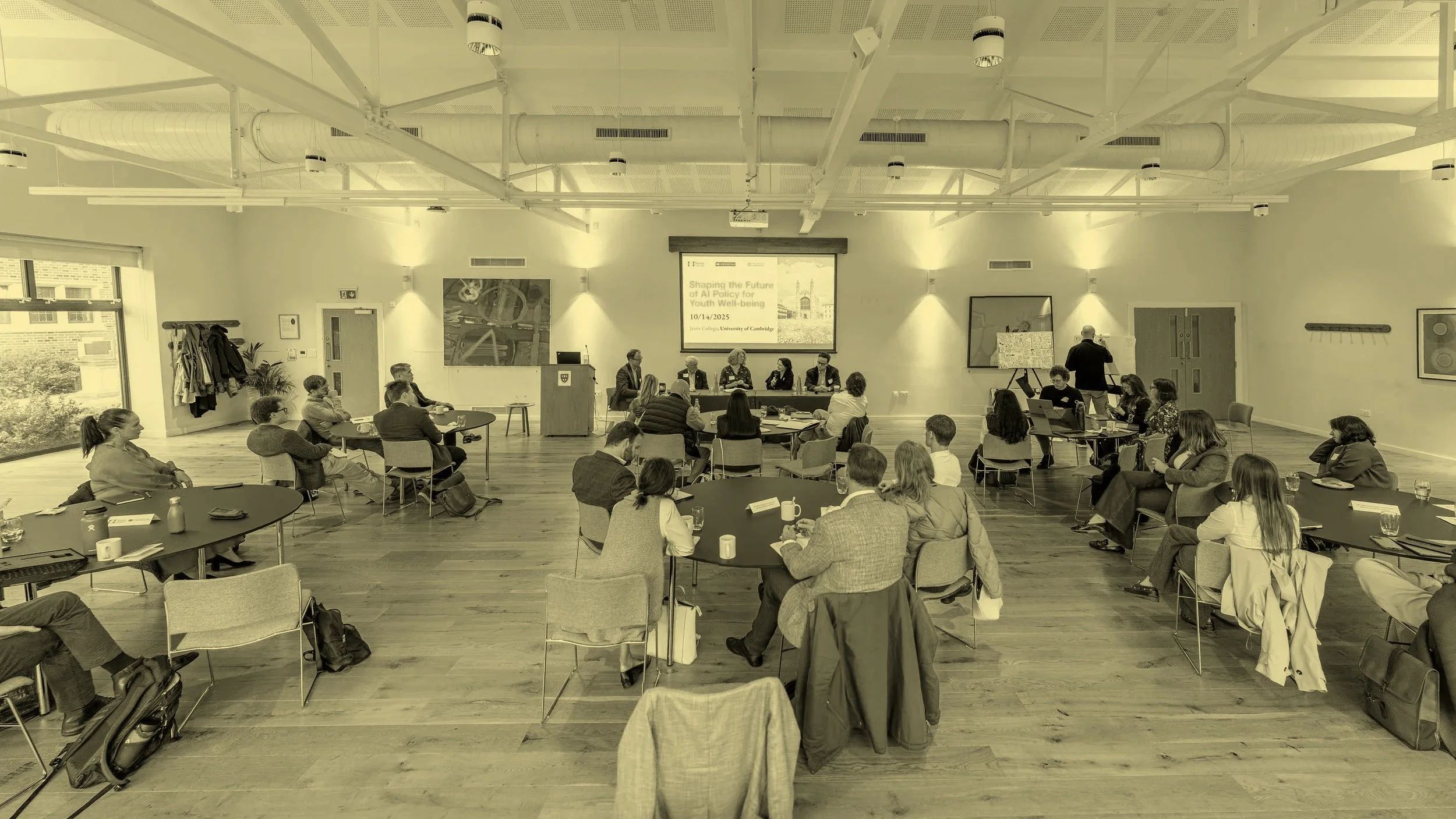
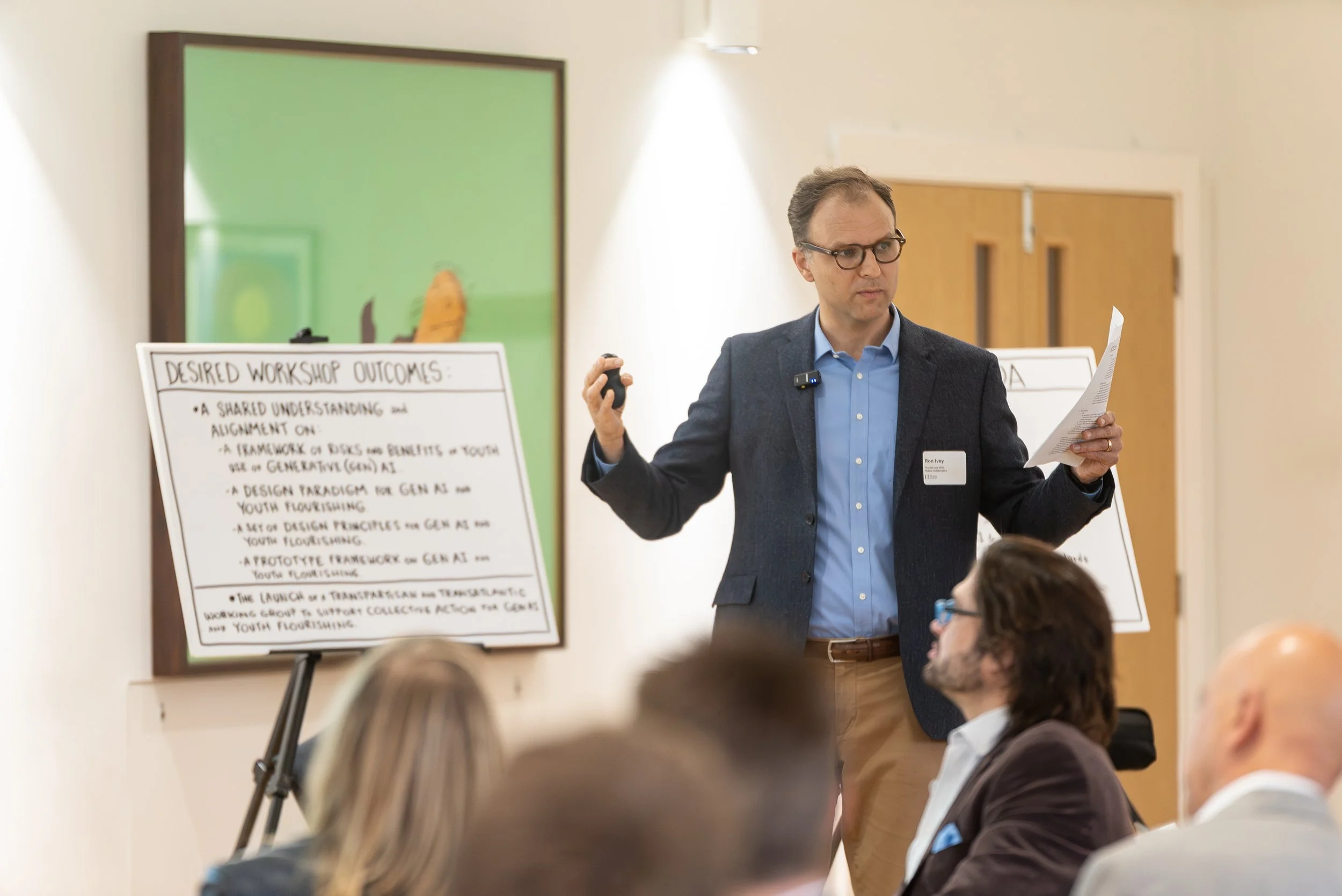
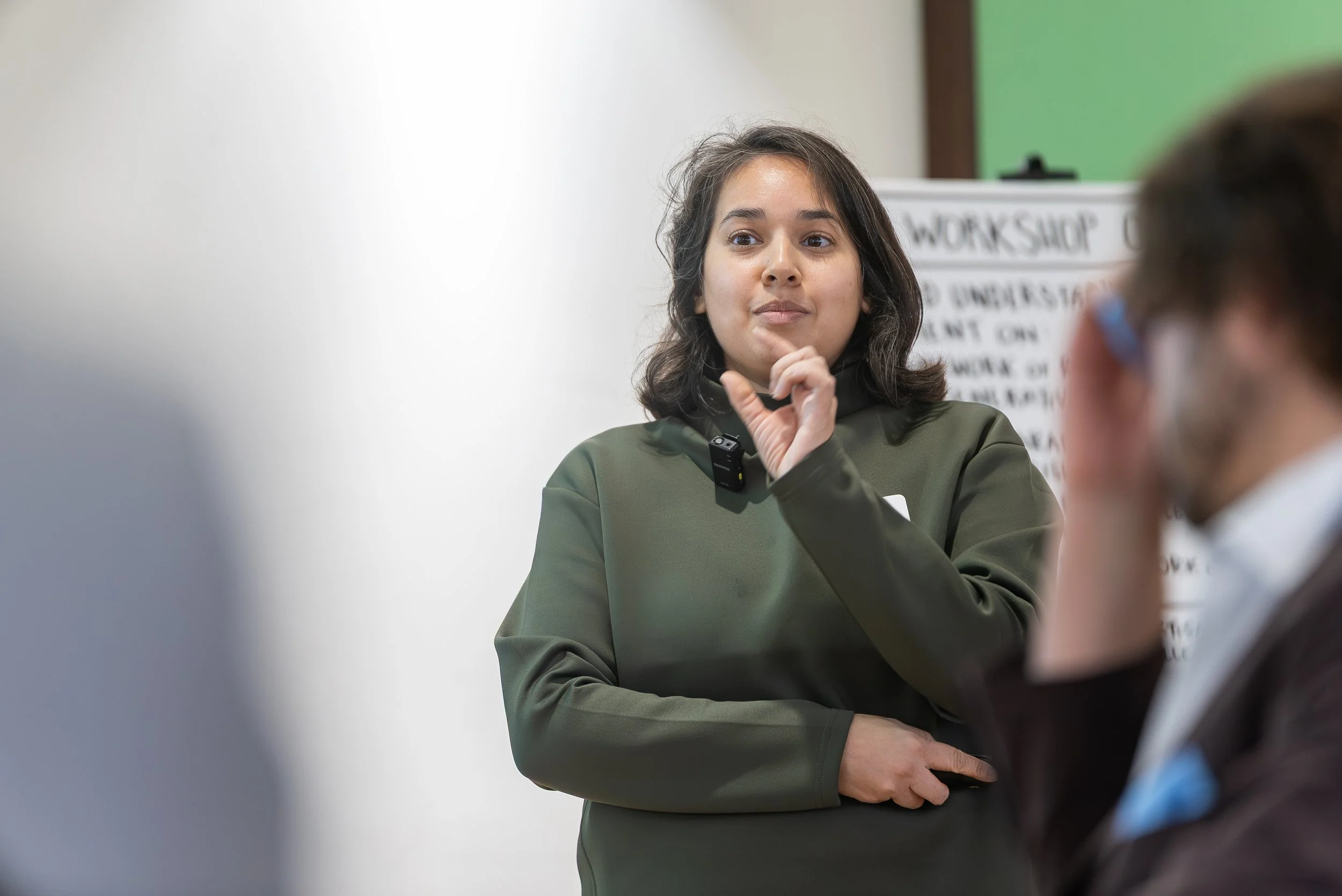
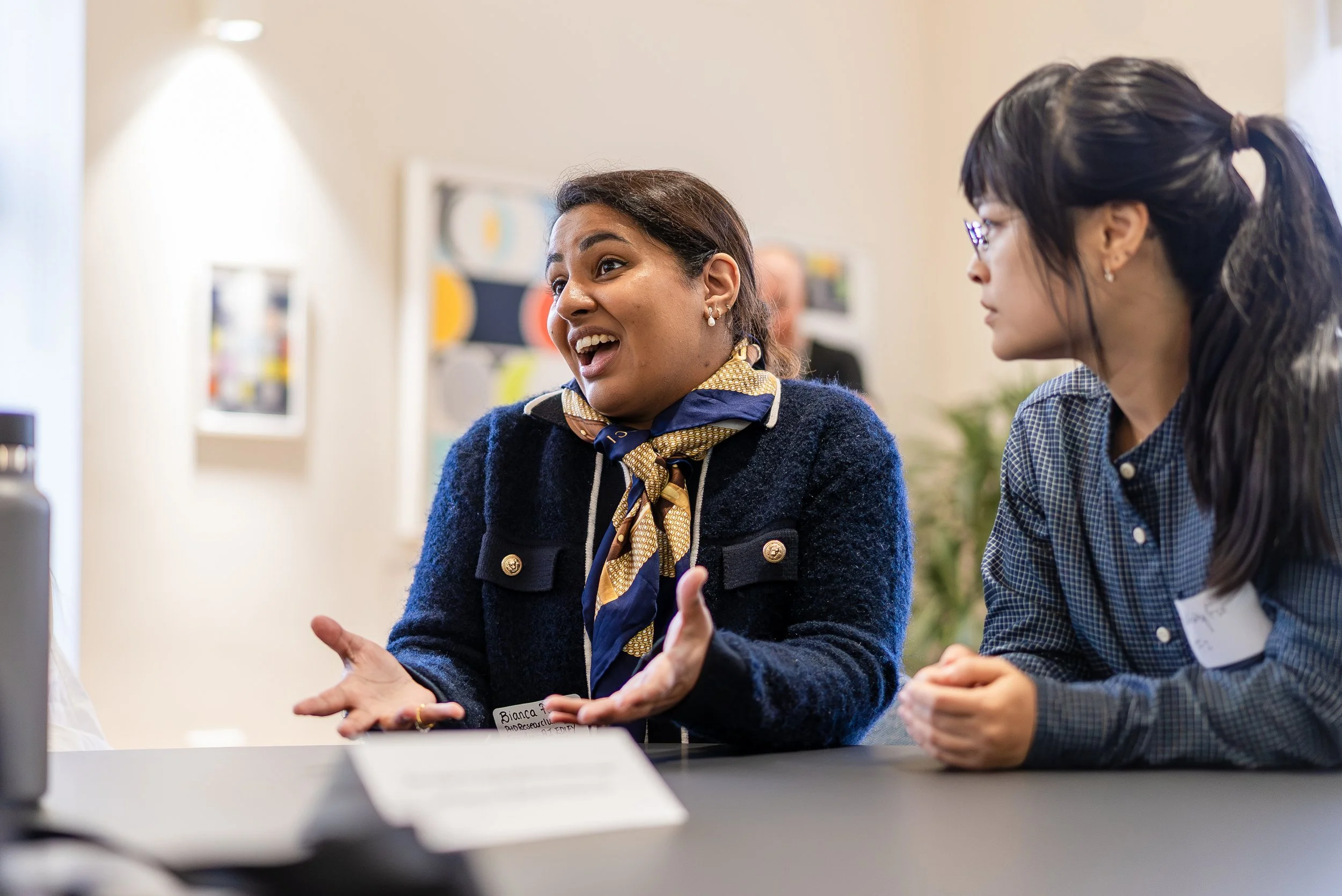
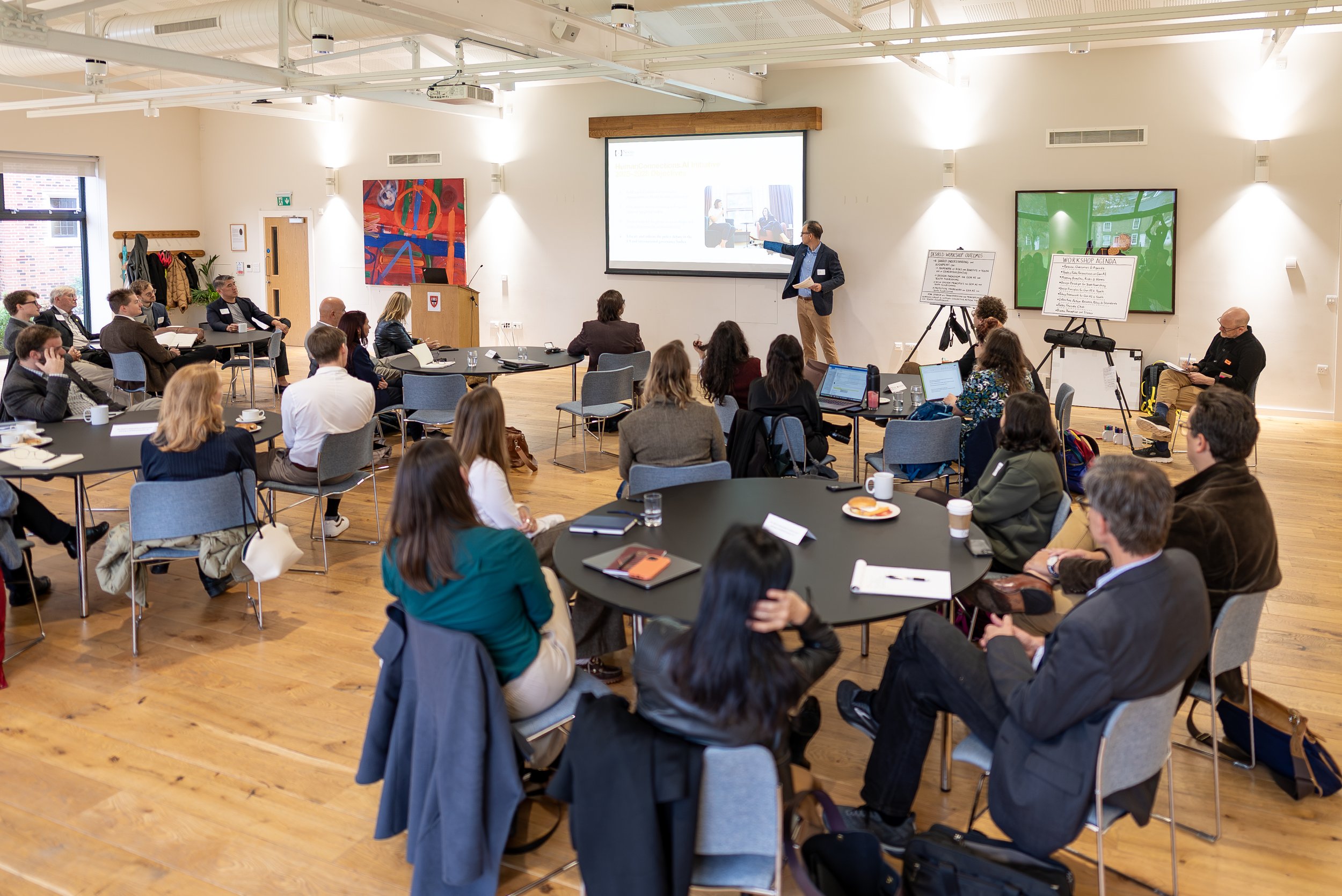
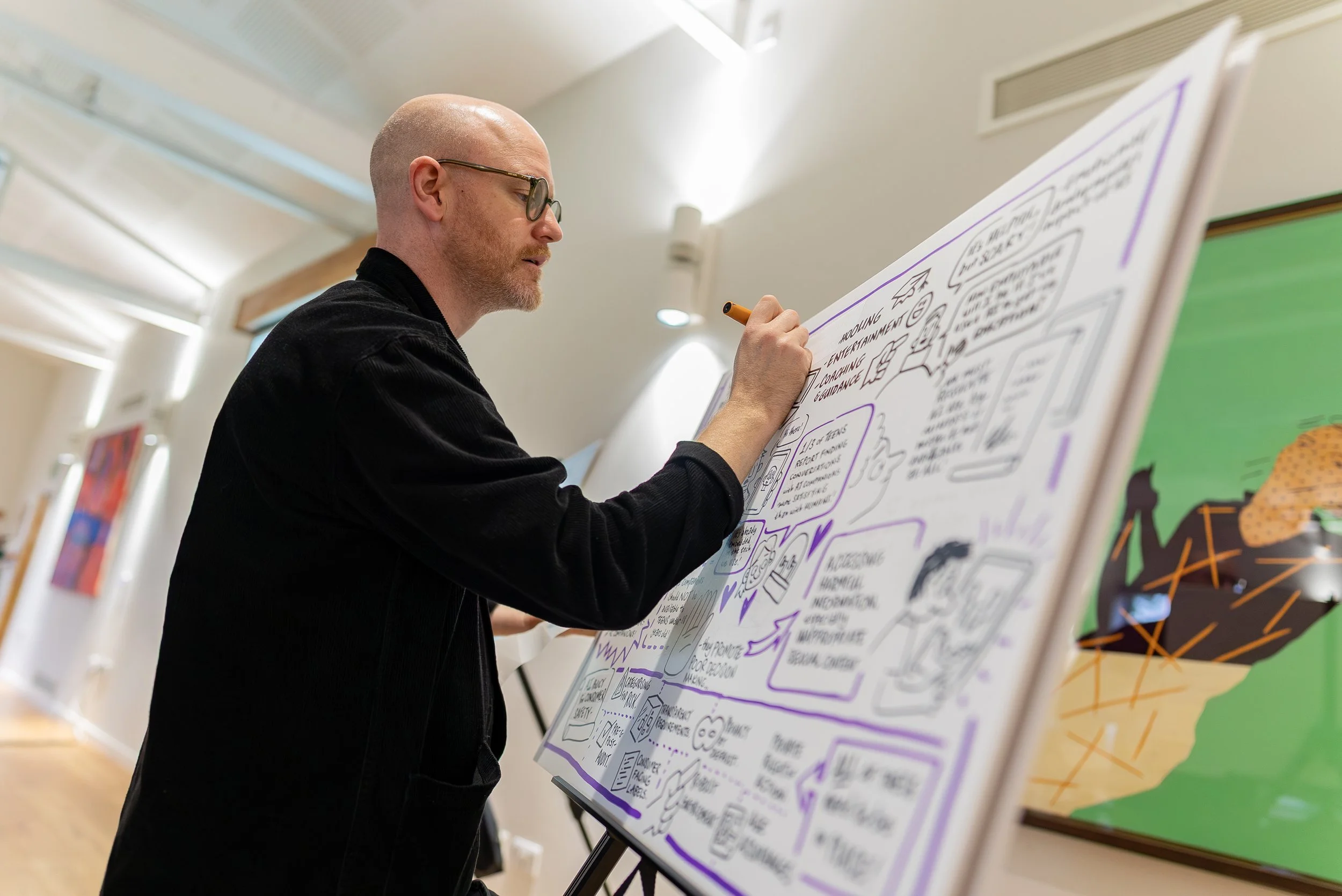
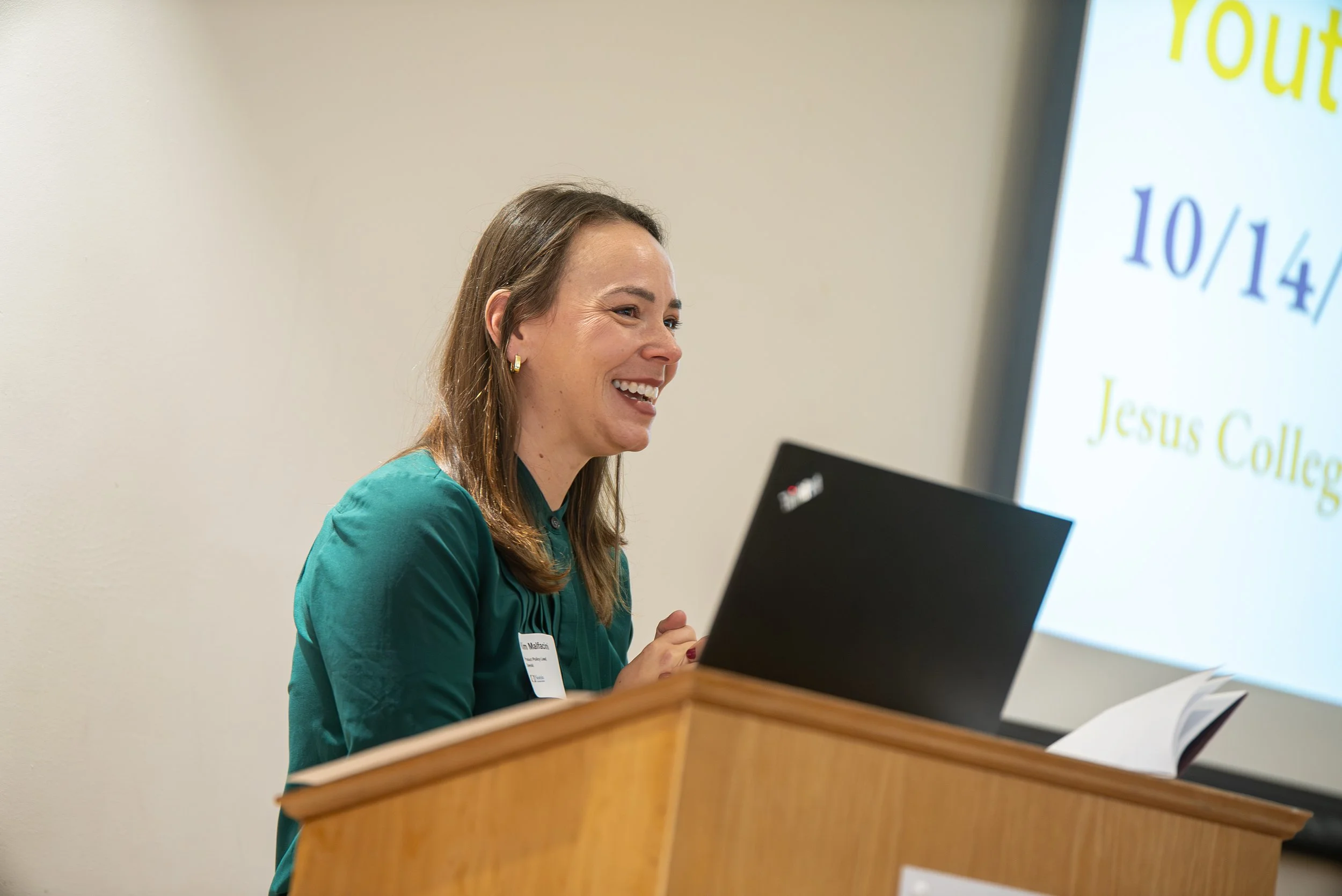
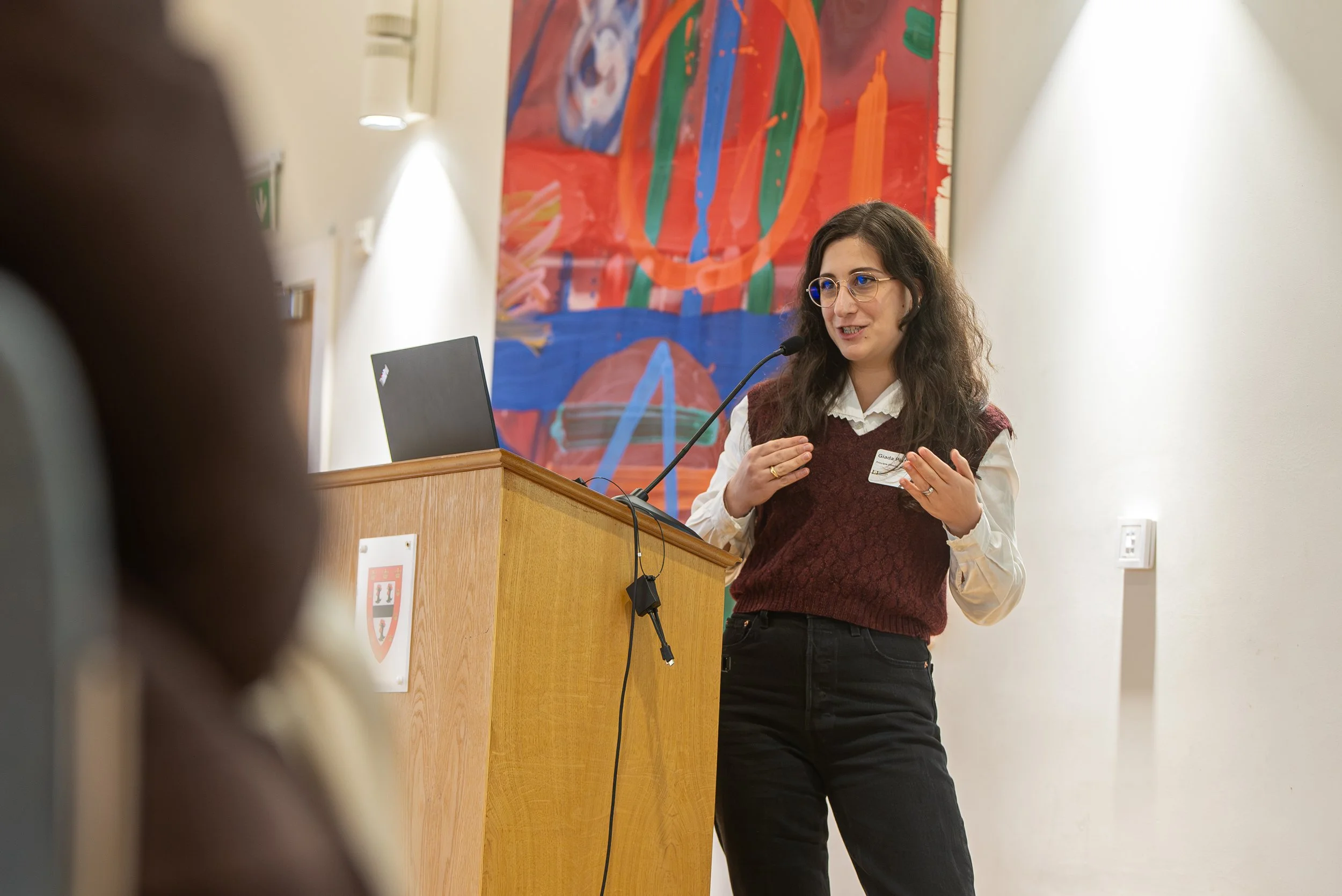
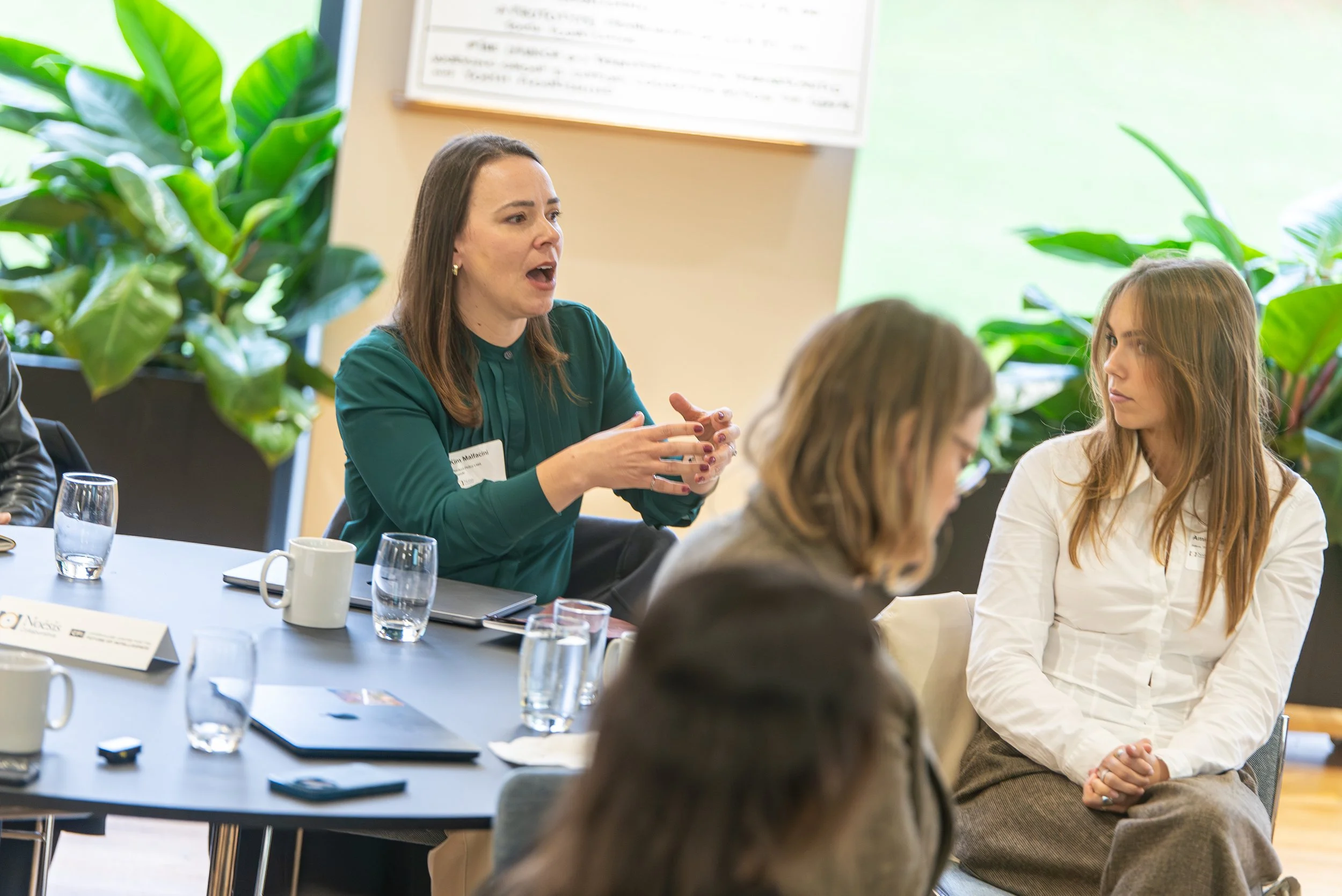
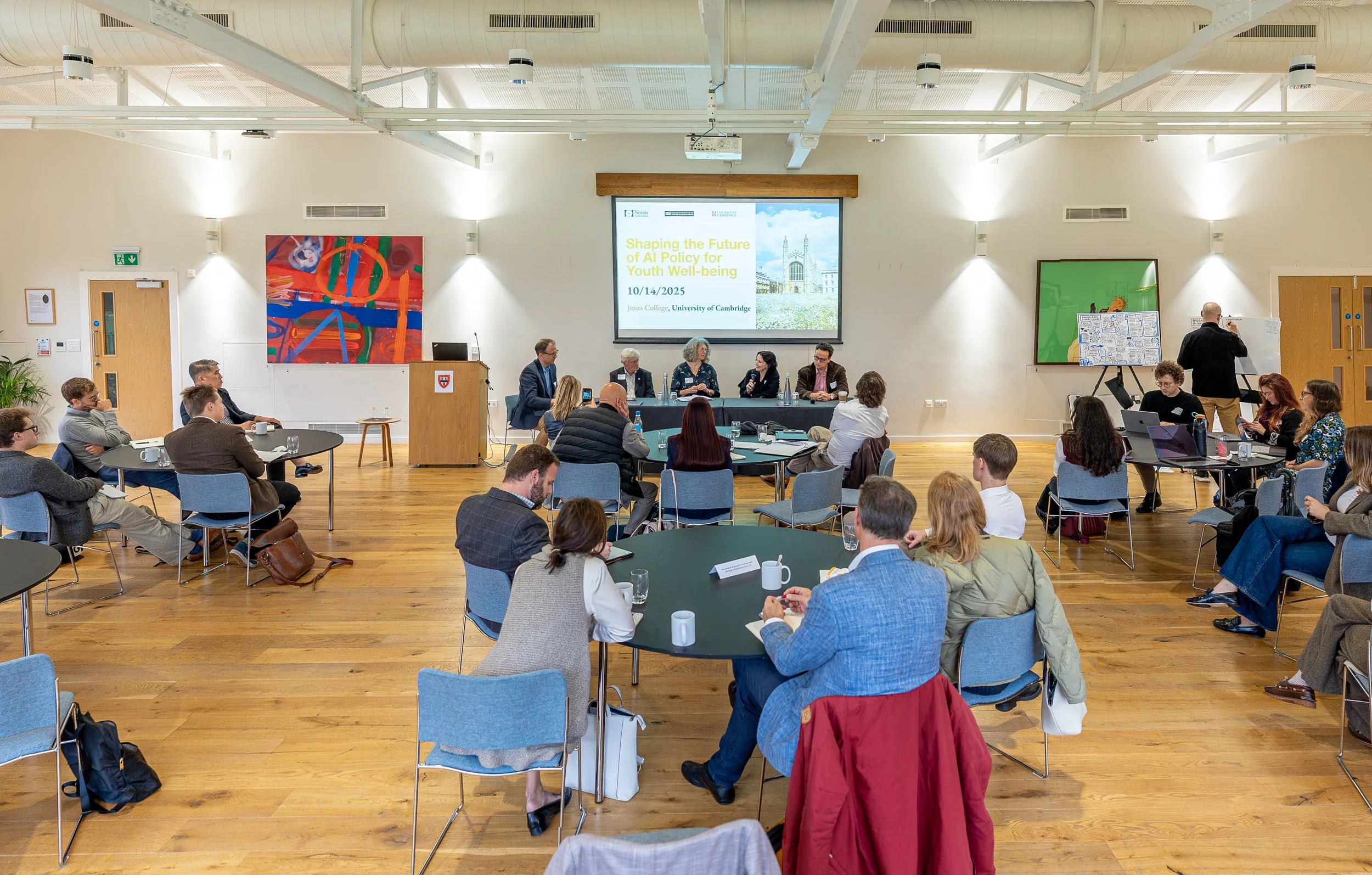
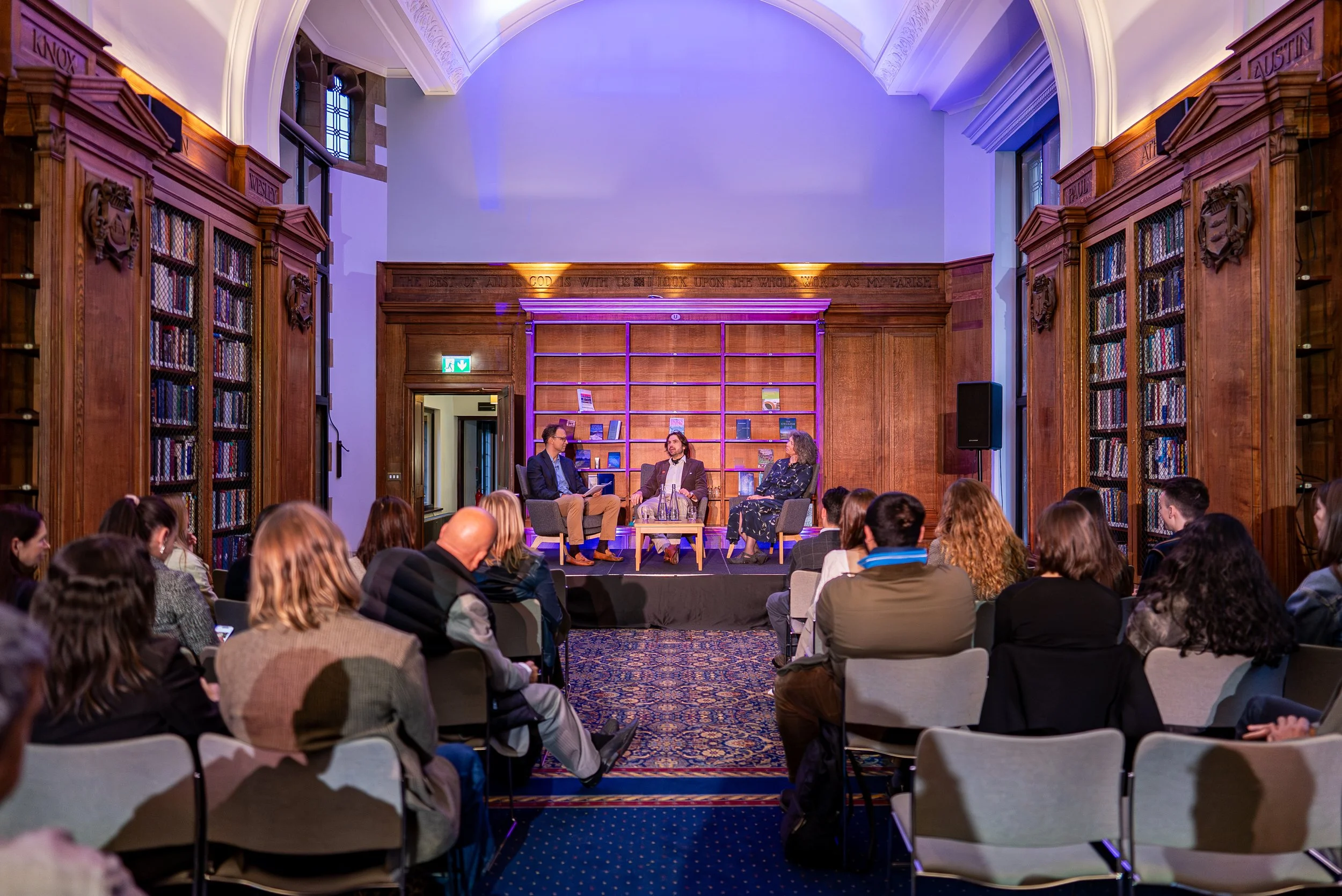
To address these new issues, Noēsis partnered with the LeverHulme Center for the Future of Intelligence to co-host a day workshop within the historic halls of Jesus College, University of Cambridge. We approached this challenge from a positive of lens of designing AI for youth flourishing, grounding the event in youth voices.
Our speakers and participants included youth and civil society leaders from Young People’s Alliance, Common Sense Media; leading experts in youth development and human flourishing from universities like Harvard, London School of Economics, the University of Oxford, the University of Southern California; product policy experts from leading AI companies like OpenAI, Google DeepMind and Hugging Face, and policy experts from the Foundation for American Innovation, American Compass, IEEE, and the Federal Trade Commission.
We are extremely thankful for the generous support from our sponsors Omidyar Network, Einhorn Collaborative, Lumina Foundation and The Risman Foundation.
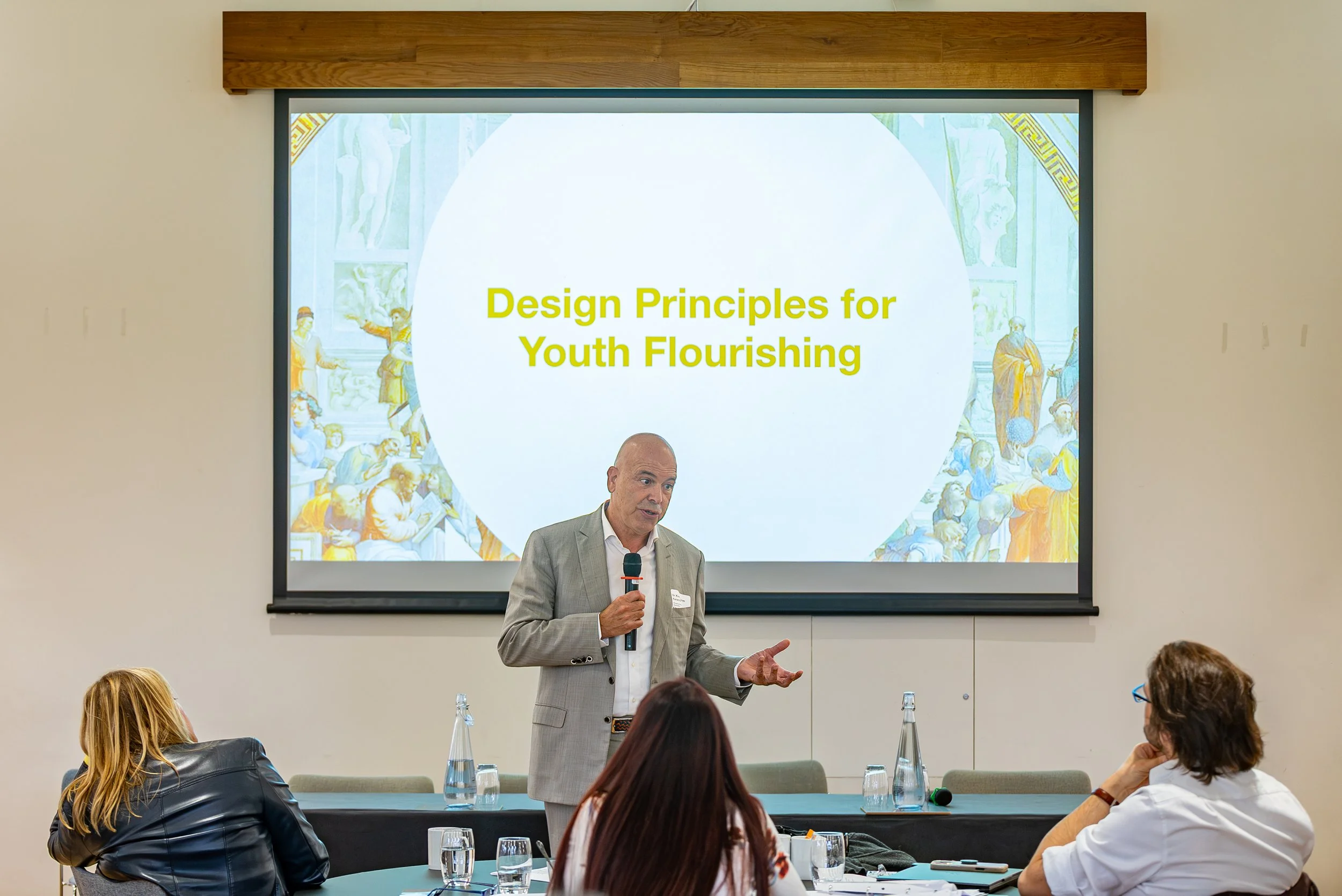
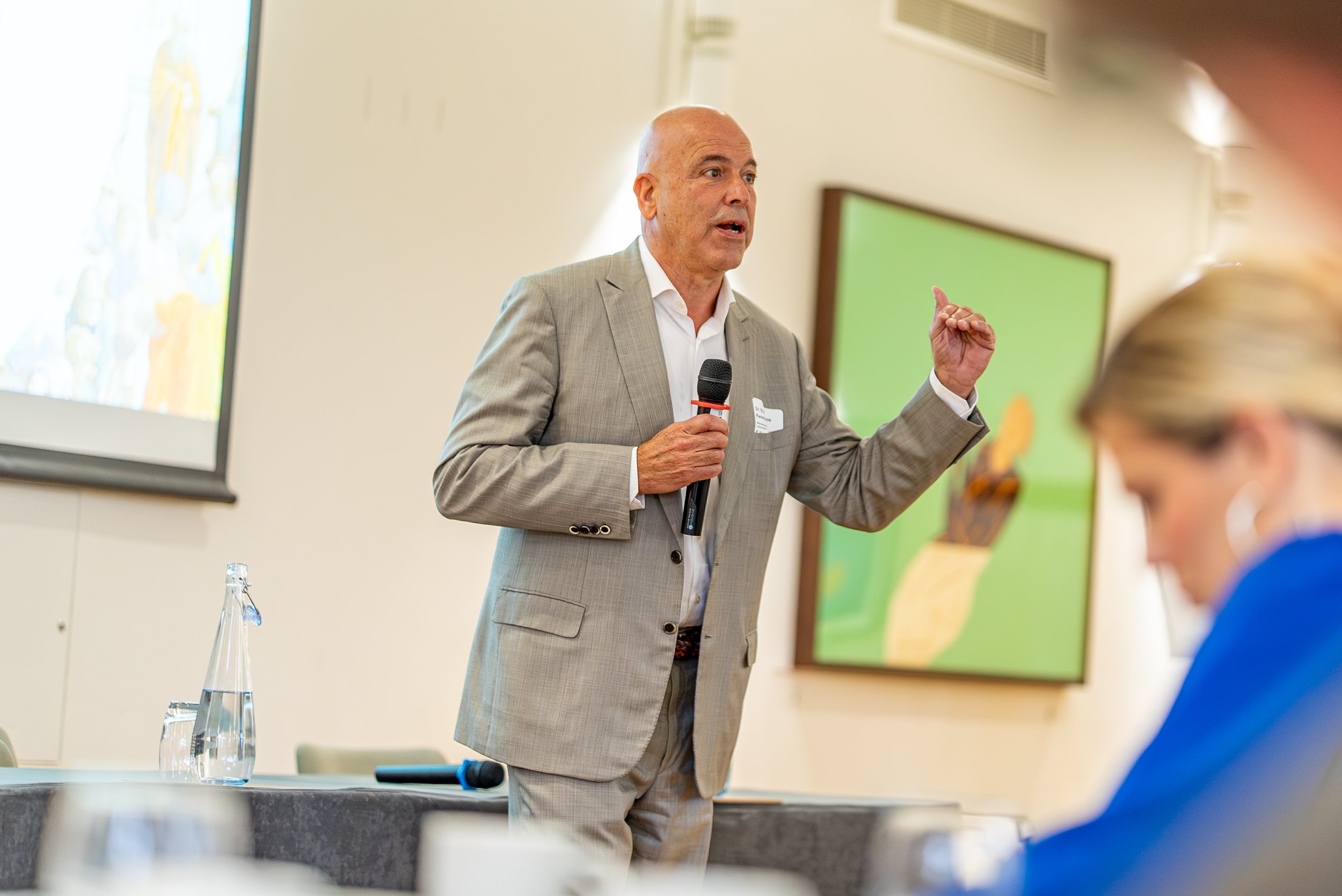
Former Managing Director of IEEE Standards, Dr. Konstantinos Karachalios and global expert on age appropriate design standards.
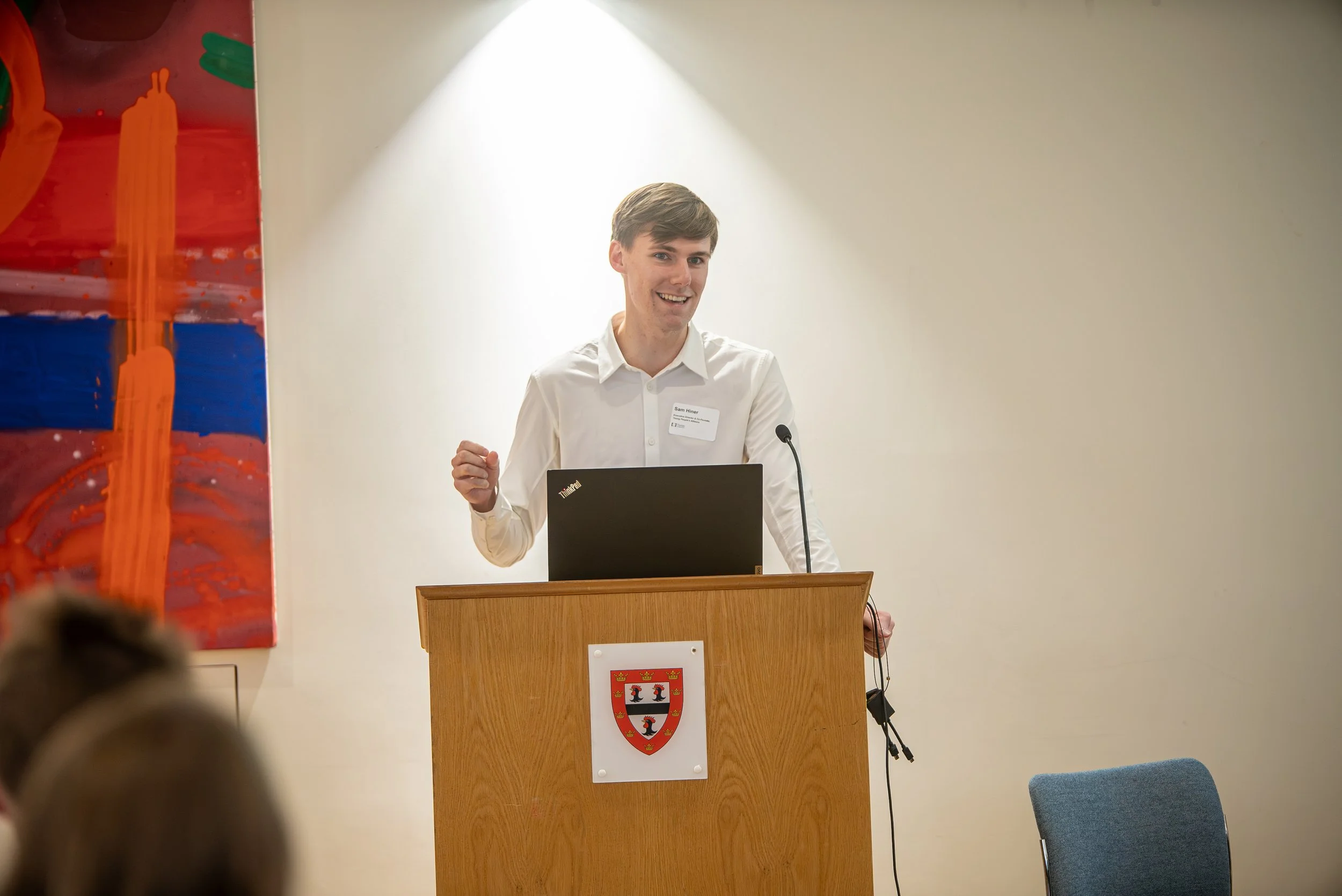
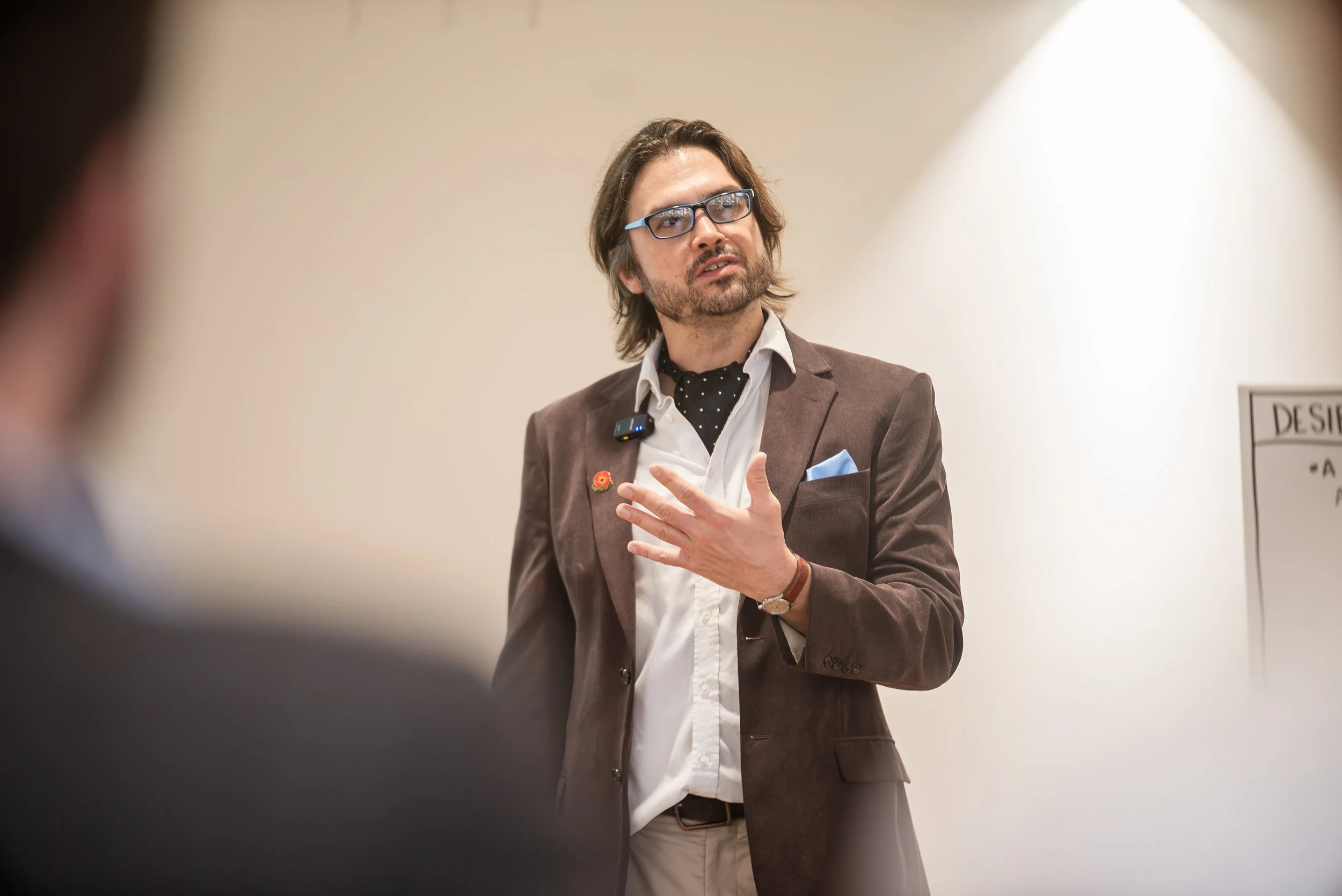
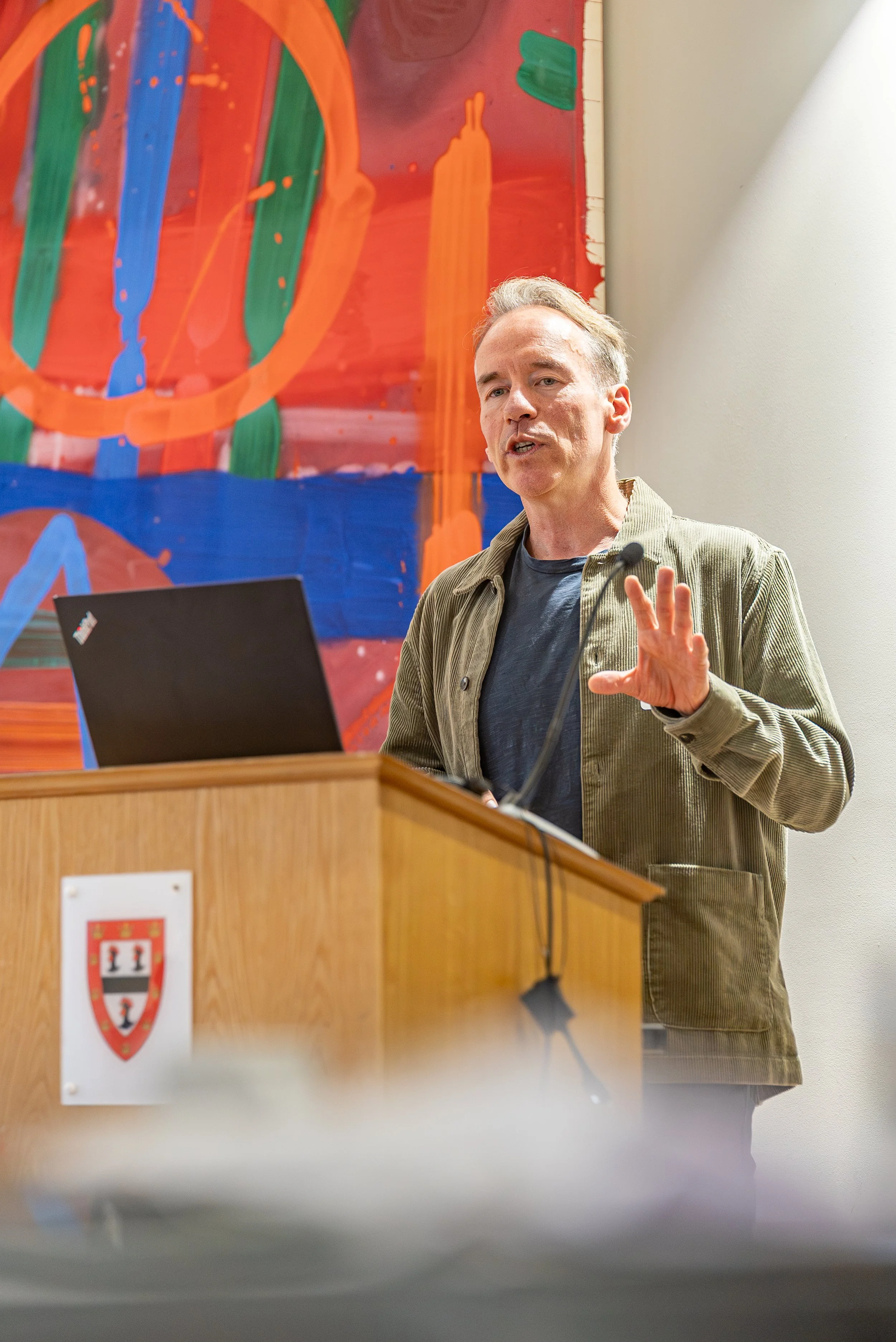
Founder and CEO of the Young People’s Alliance, Sam Hiner. Sam presented a draft policy framework for AI and youth.
Cambridge Workshop 2025 Video Gallery
Workshop Highlights
Interview with Julianne Holt-Lundstad
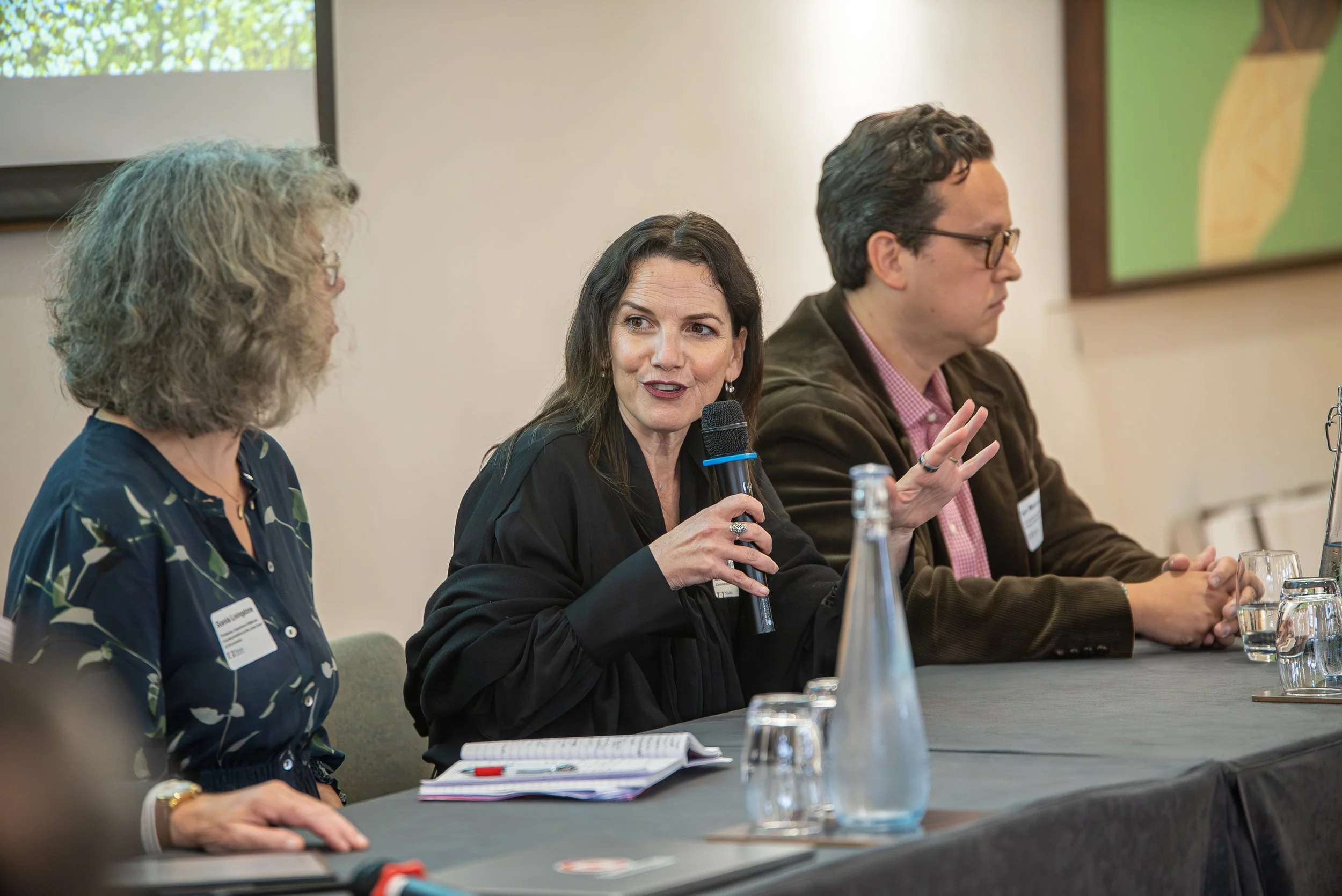
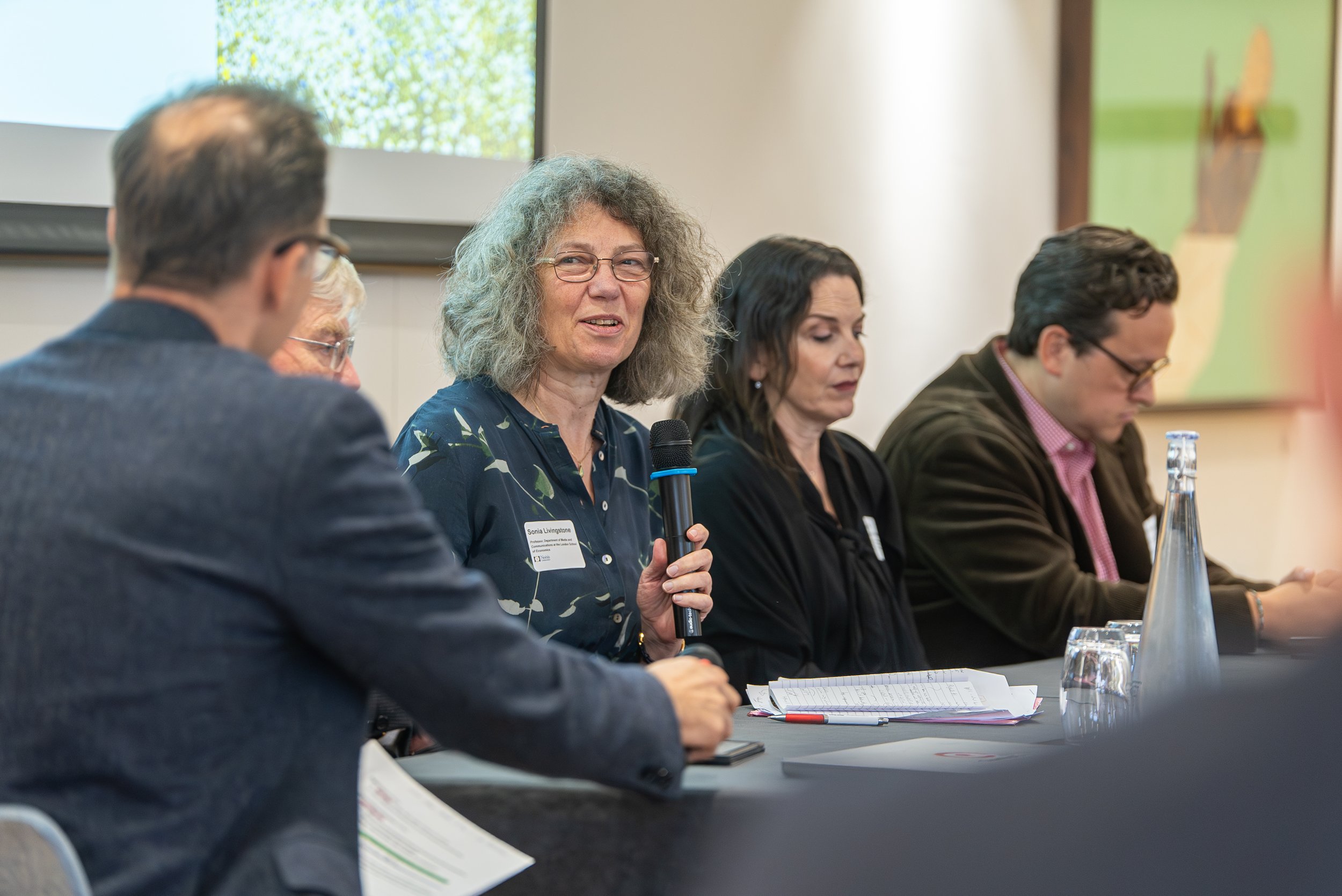
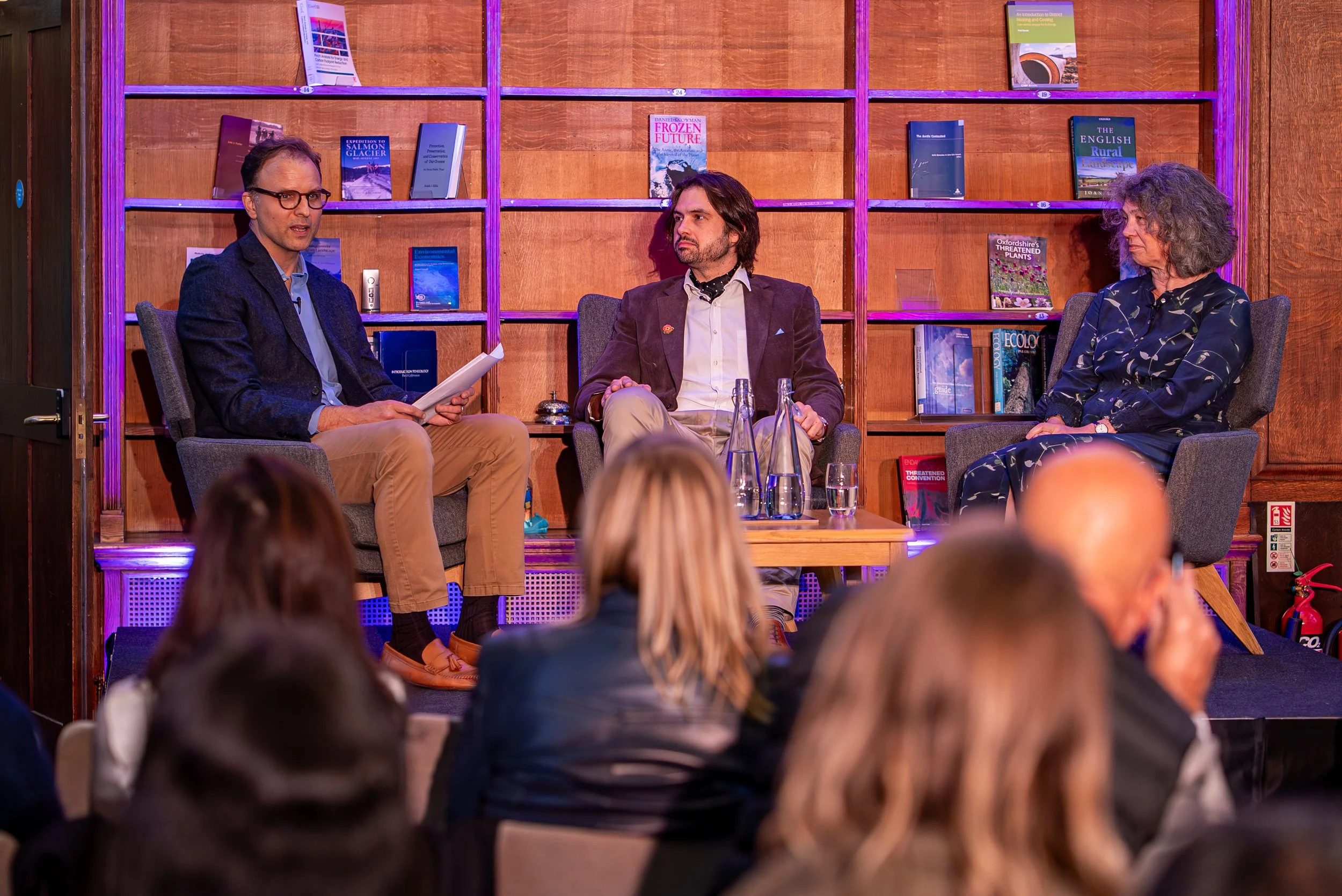
Fireside Chat with Ron Ivey, Henry Shevlin, and Sonia Livingstone
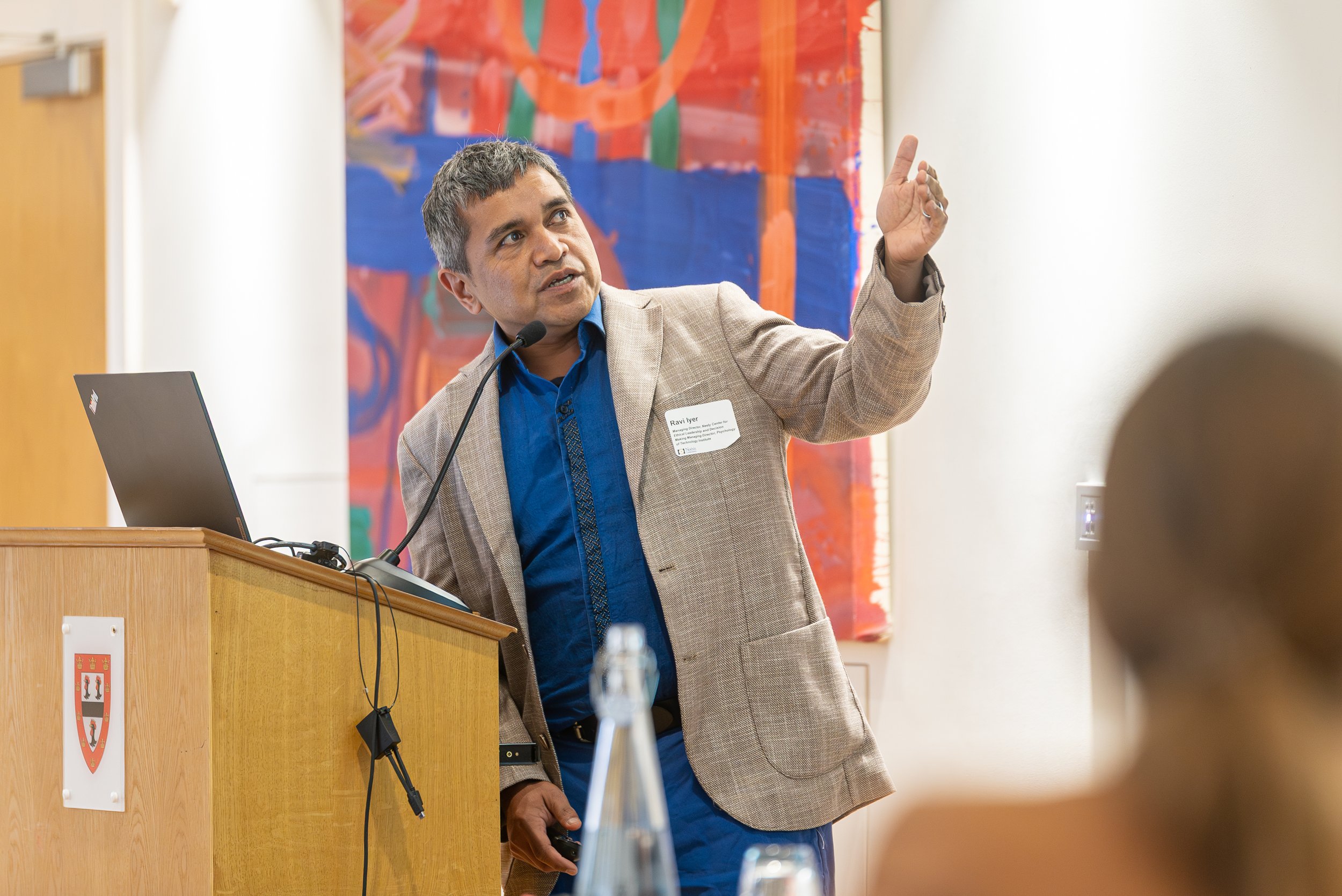
Interview with Ravi Iyyer
Interview with Dean Ball
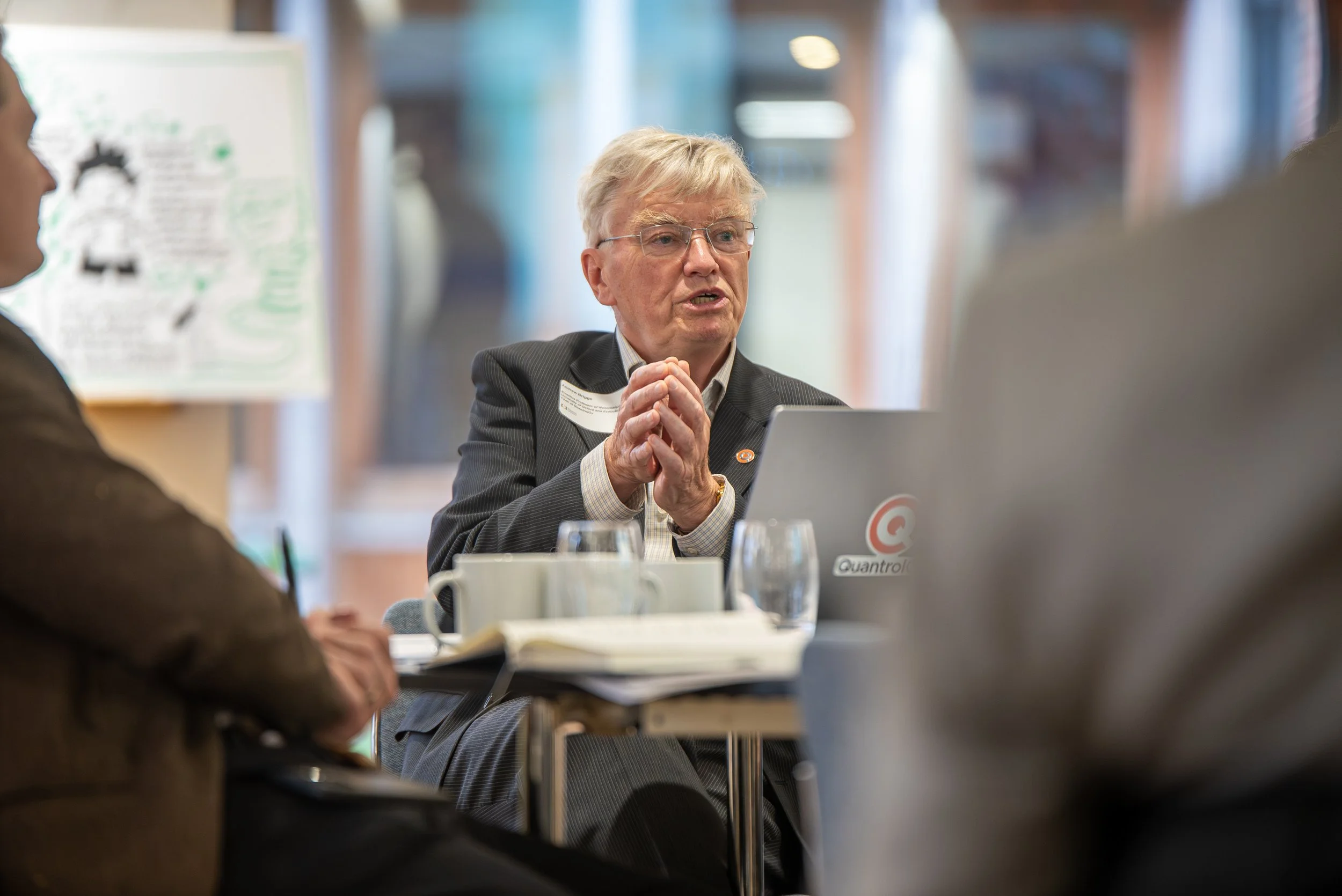
Interview with Andrew Briggs
The Rise of Social AI by Henry Shevlin
Youth Voices on Social AI by the Young Peoples Alliance
Featured Speakers & Participants
-

Maria Axente
Founder & CEO, Responsible Intelligence
-

Dean Ball
Senior Fellow, The Foundation for American Innovation
-
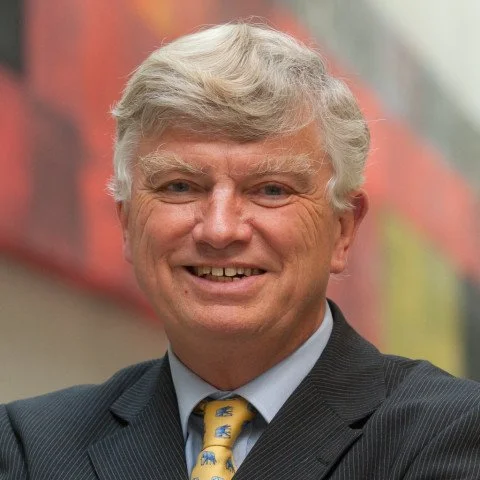
Andrew Briggs
Emeritus Professor of Nanomaterials, University of Oxford and Executive Chair, QuantrolOx
-
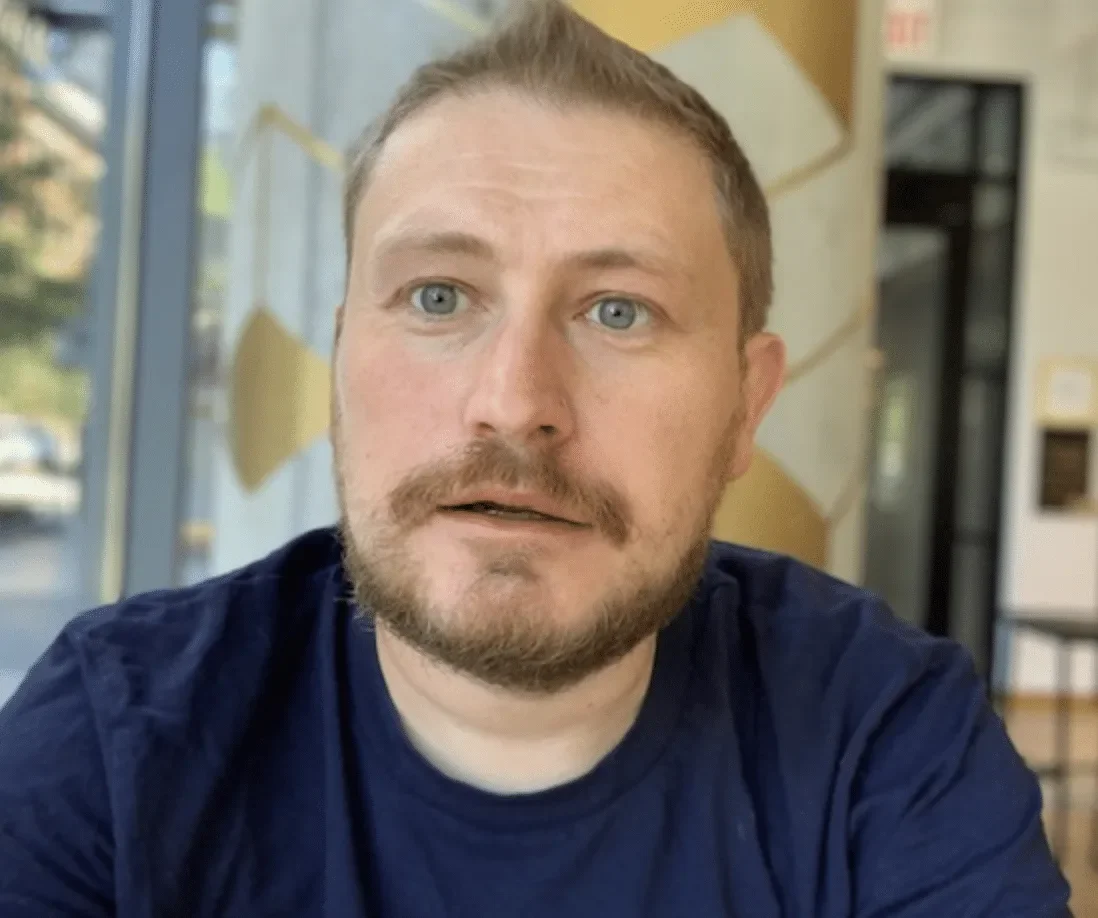
Andy Burrows
CEO, Molly Rose Foundation
-
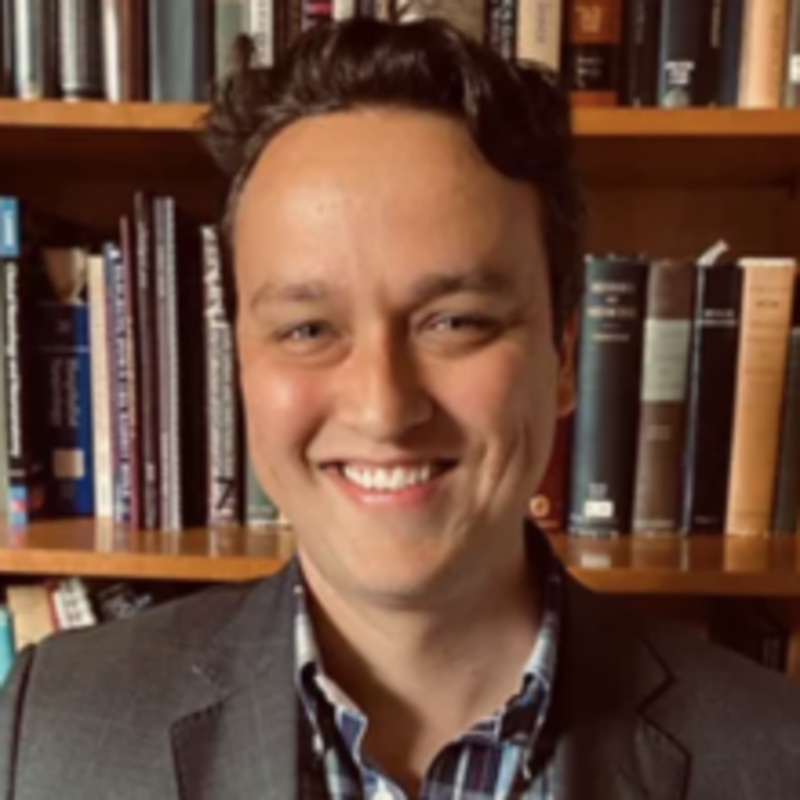
Ian Marcus Corbin
Founding Director, The Public Culture Project, Harvard University
-
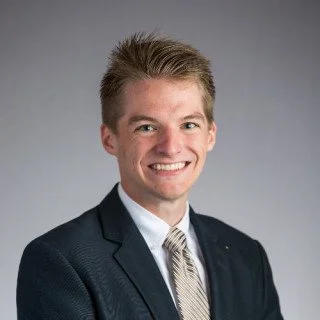
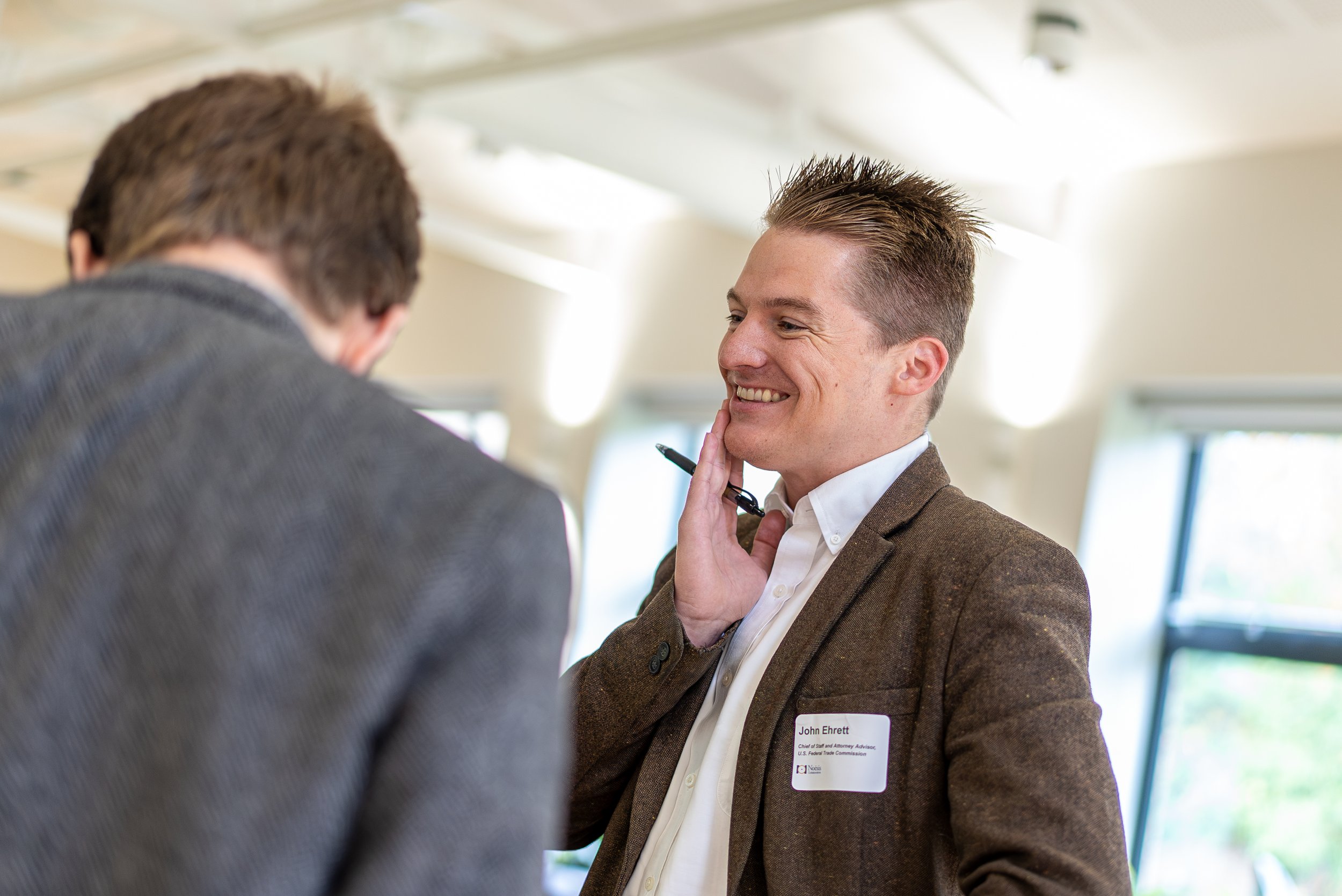
John Ehrett
Chief of Staff and Attorney Advisor, U.S. Federal Trade Commission
-
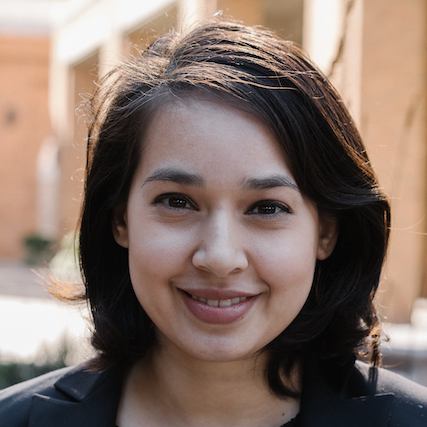
Amina Fazlullah
Head of Tech Policy Advocacy, Common Sense Media
-
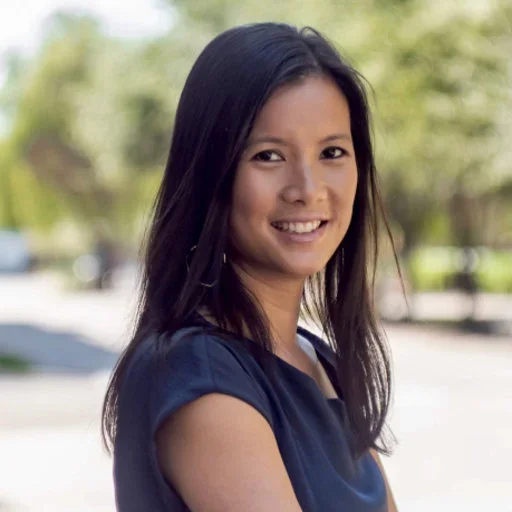
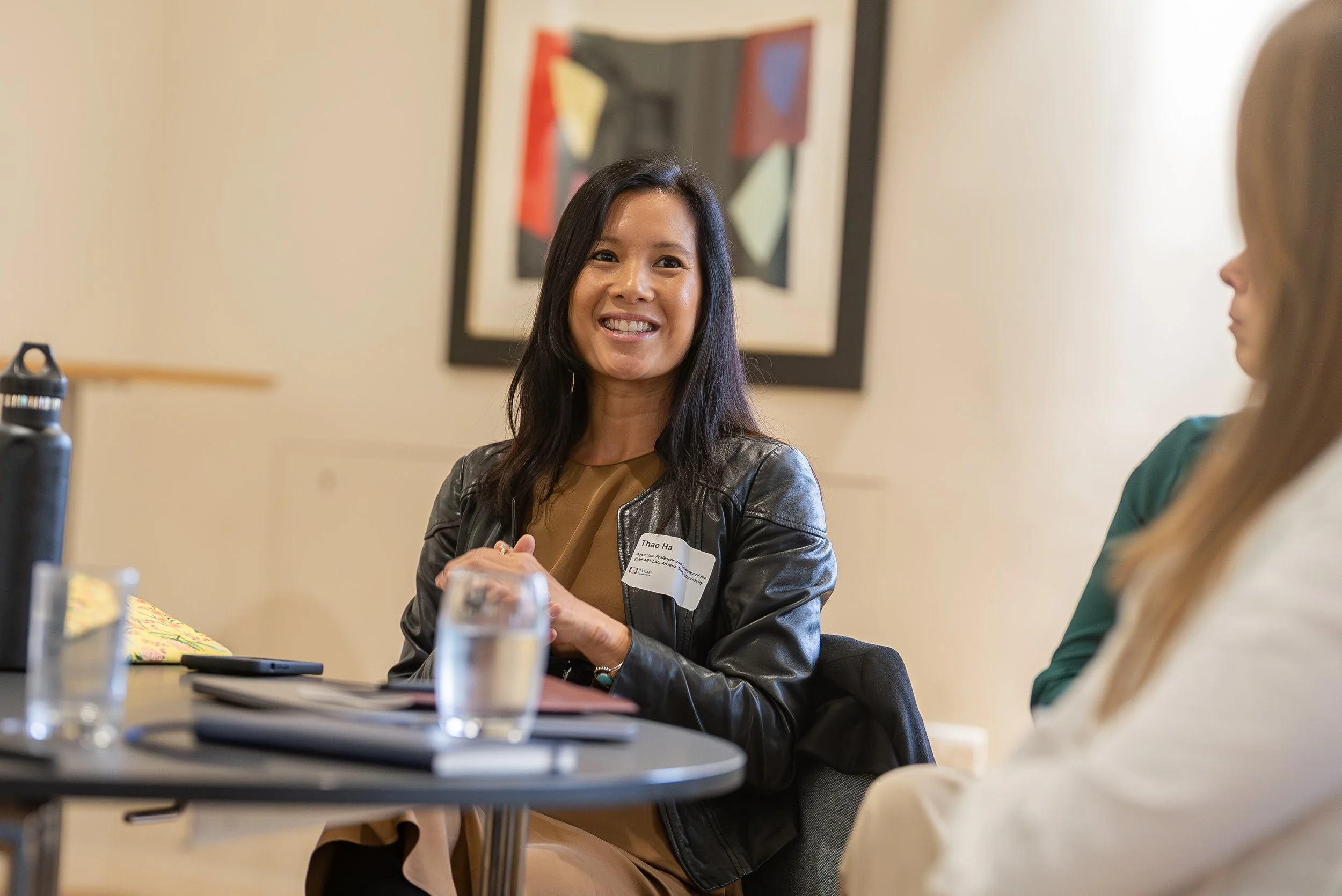
Thao Ha
Associate Professor and Director of the @HEART Lab, ASU
-
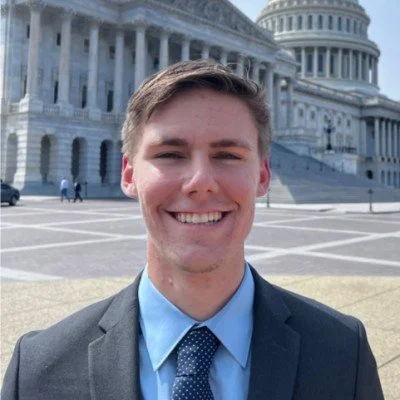
Sam Hiner
Executive Director & Co-Founder, Young People’s Alliance
-
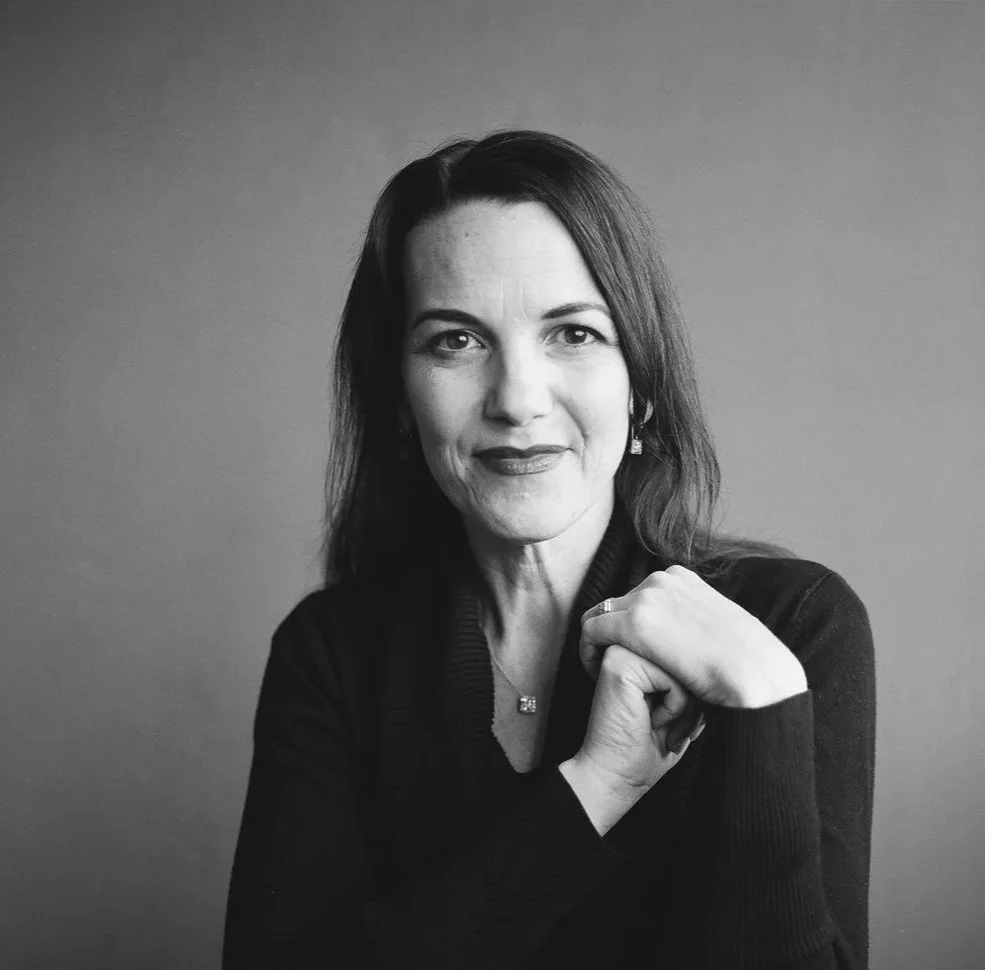
Julianne Holt-Lunstad
Professor & Director of the Social Connection & Health Lab, BYU
-
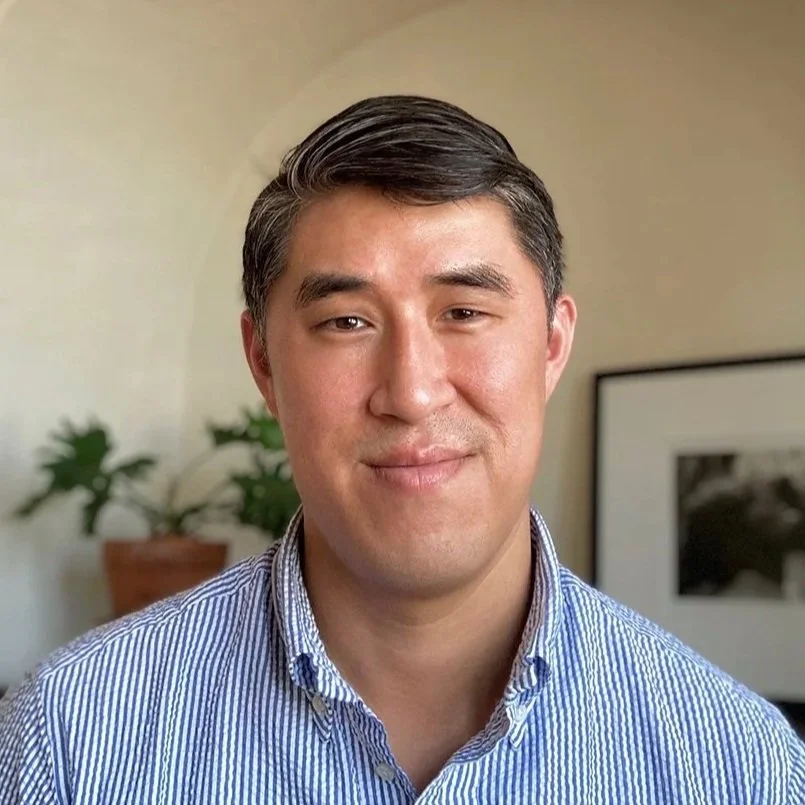
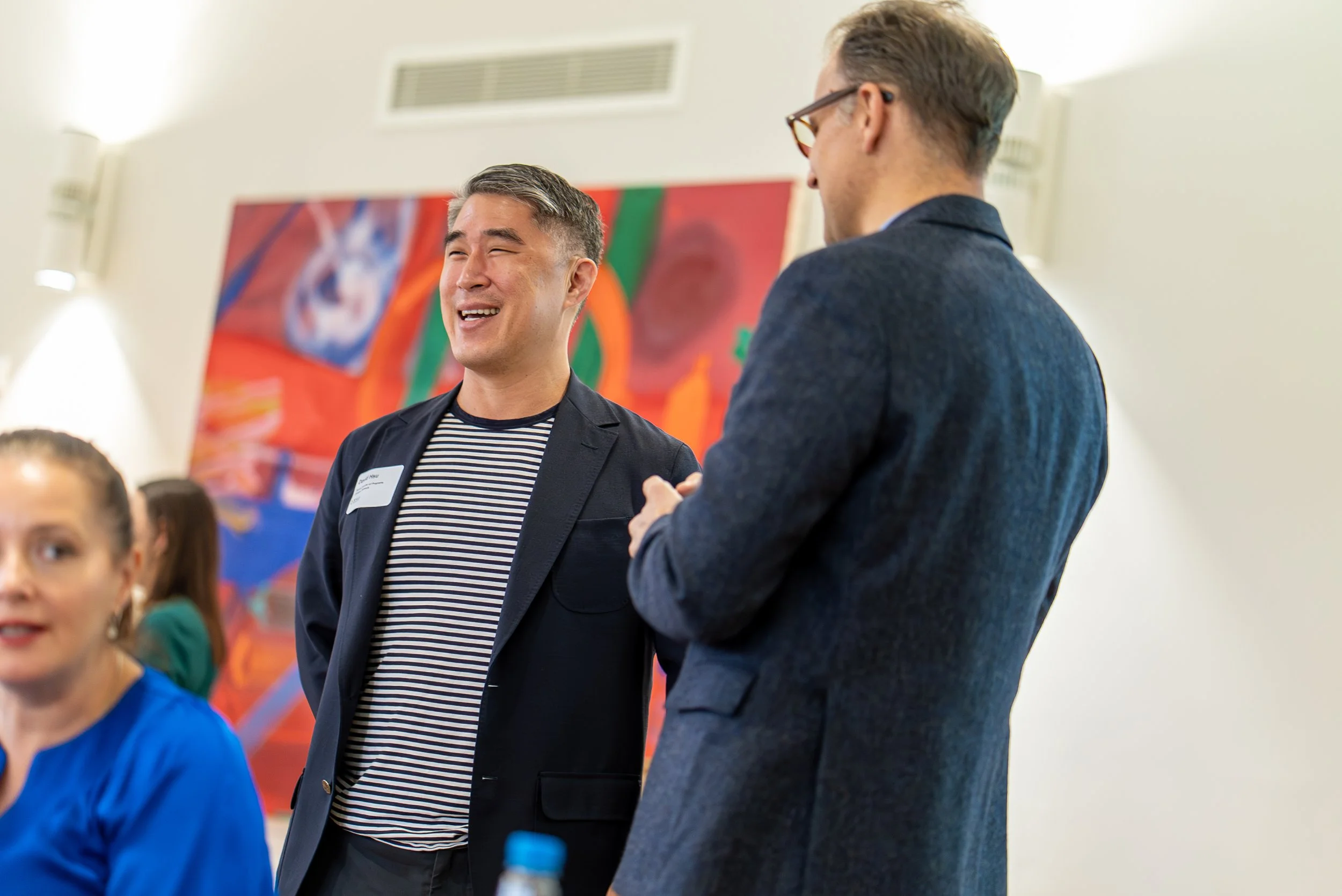
David Hsu
Senior Director of Programs, Omidyar Network
-

Ron Ivey
Founder and CEO, Noēsis Collaborative & Fellow, Harvard Human Flourishing Program
-
Ravi Iyer
Managing Director, USC Neely Center Psychology of Technology Institute
-
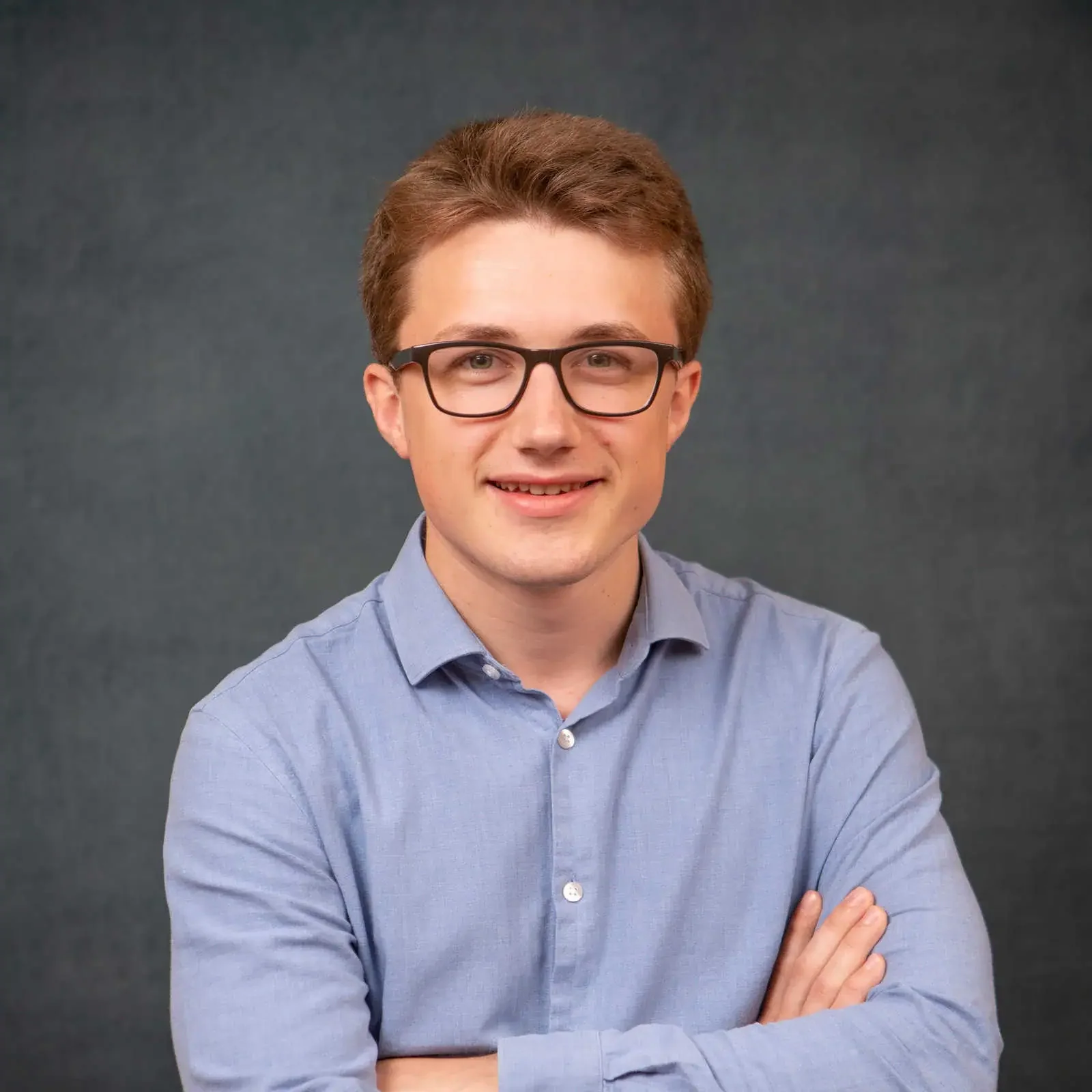
Will Jones
Futures Program Associate, Future of Life Institute
-
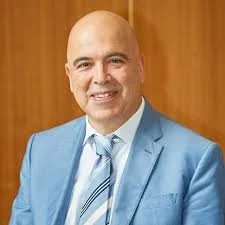
Konstantinos Karachalios
Managing Director, IEEE Standards Association
-
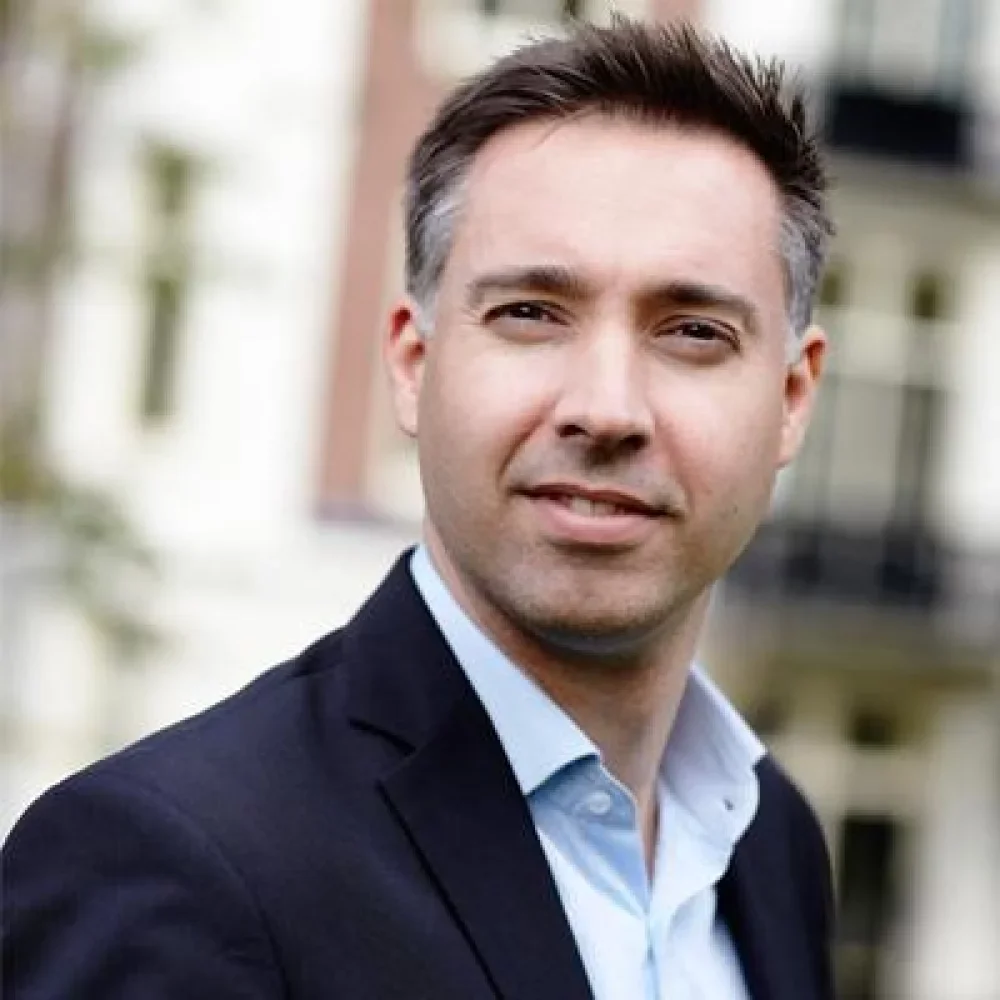
Martijn Lampert
Co-Founder and Research Director, Glocalities
-

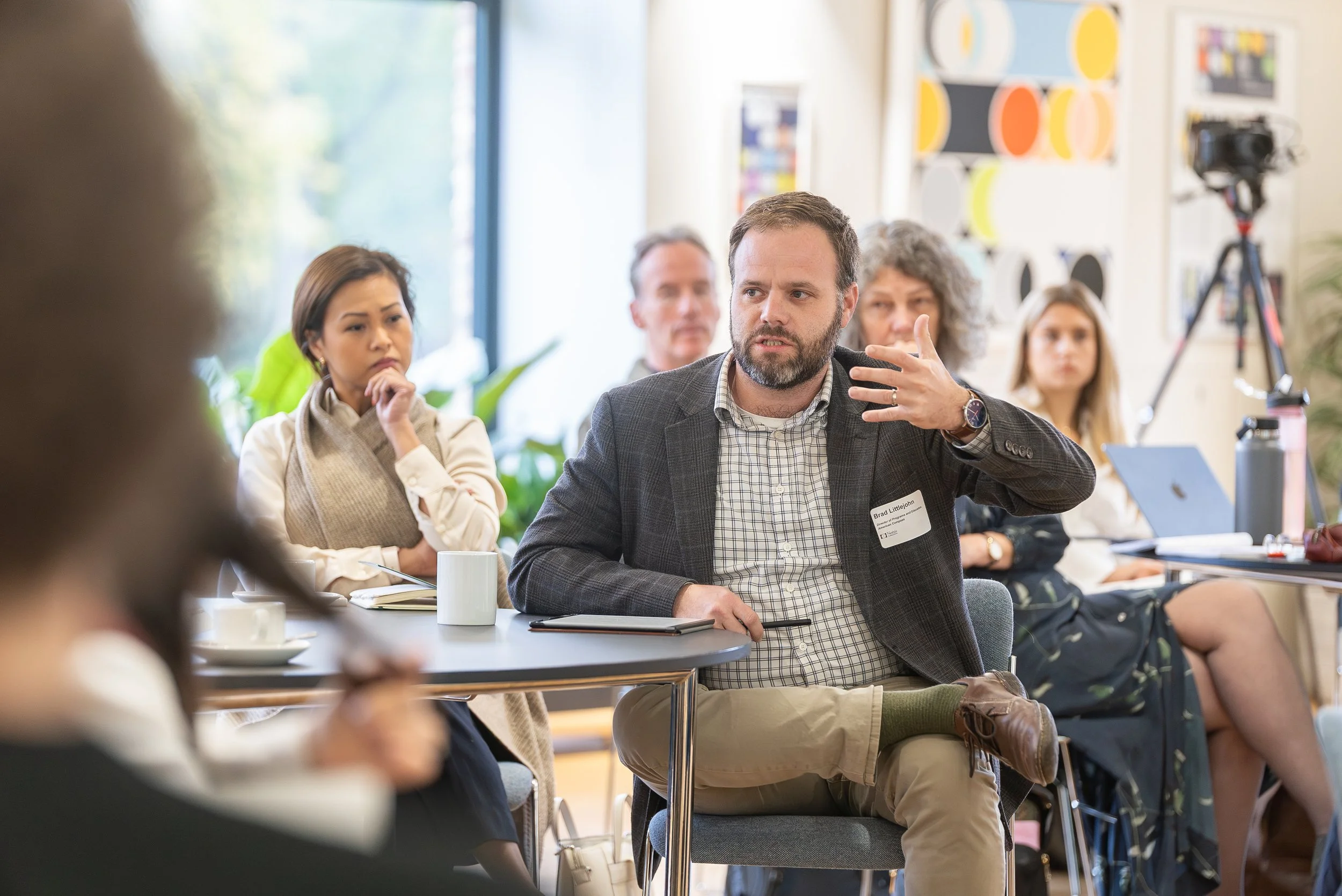
Brad Littlejohn
Director of Programs and Education, American Compass
-

Sonia Livingstone
Professor, Department of Media and Communications, LSE
-

Kim Malfacini
Product Policy Lead, OpenAI
-
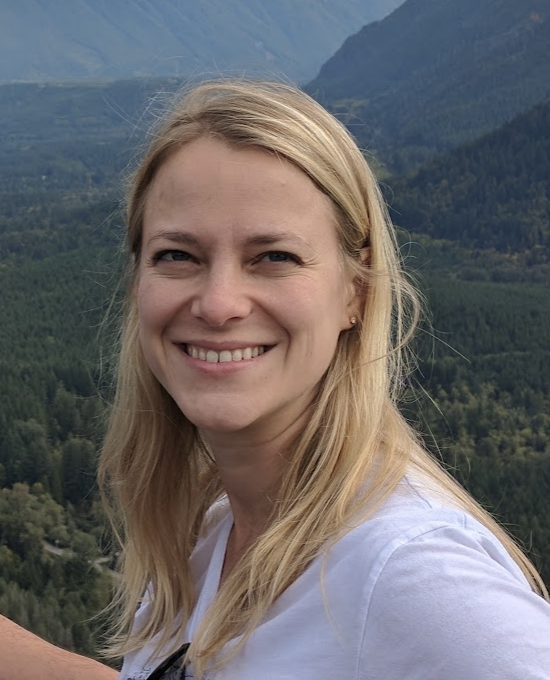
Amanda McCroskery
Applied AI Ethics & Governance Researcher, DeepMind
-
Andrew McStay
Director, The Emotional AI Lab and Professor of Technology and Society, Bangor University
-

Amy Orben
Programme Leader Track Scientist, MRC Cognition and Brain Sciences Unit, University of Cambridge
-

Dorian Peters
Assistant Professor, Institute for Technology and Humanity, University of Cambridge
-
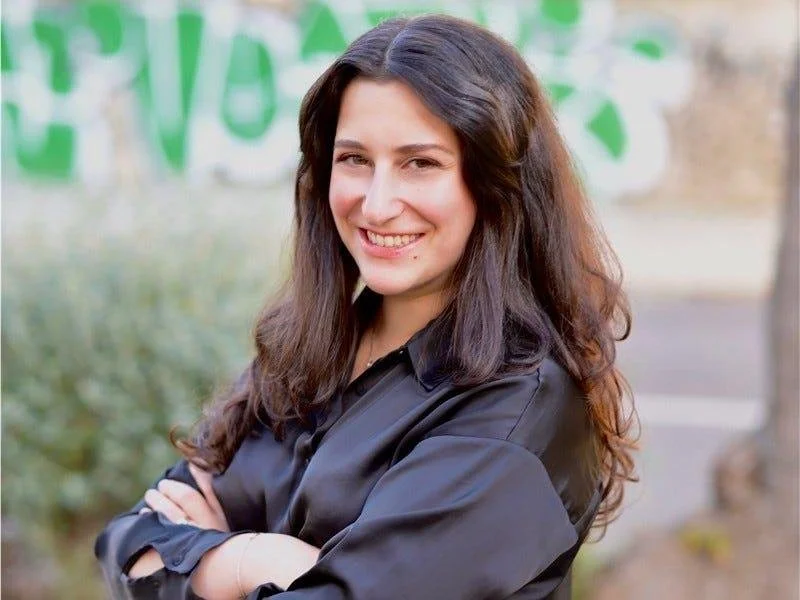
Giada Pistilli
Principle Ethicist, Hugging Face
-
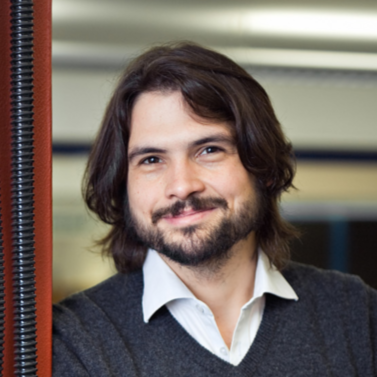
Henry Shevlin
Associate Director, Leverhulme Centre for the Future of Intelligence (CFI) and Programme Co-Director, Kinds of Intelligence
-

Felicity Tan
Founding Executive Director, The Risman Foundation
-
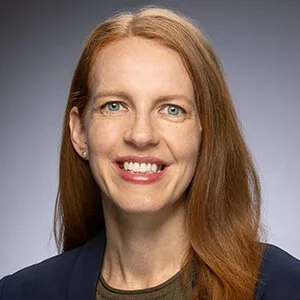
Terri Taylor
Strategy Director for Innovation & Discovery, Lumina Foundation
-
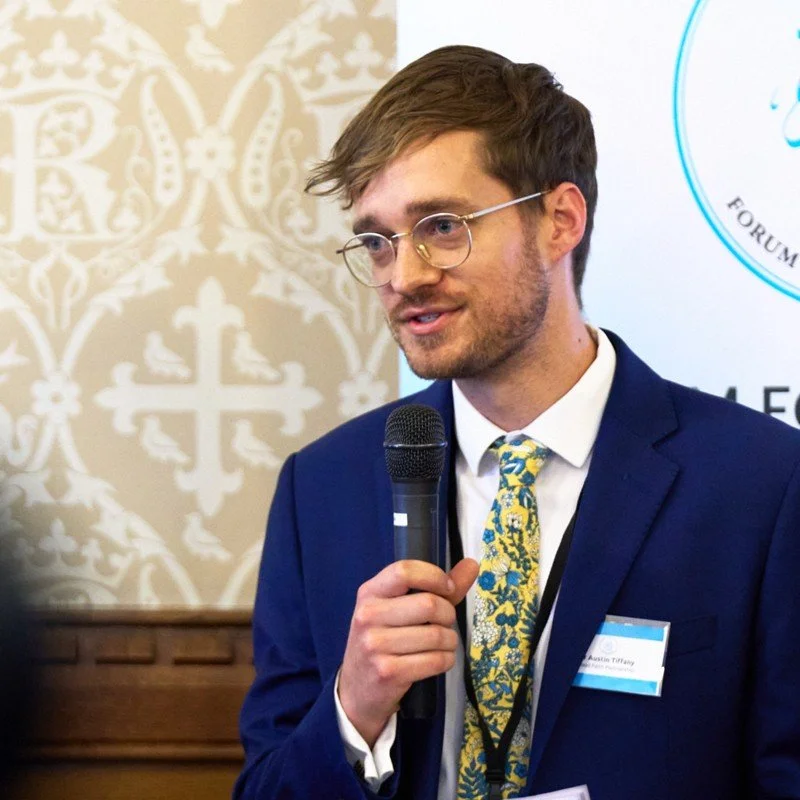
Austin Tiffany
Senior Director, Good Faith Partnership, AI Faith & Civil Society Commission
-
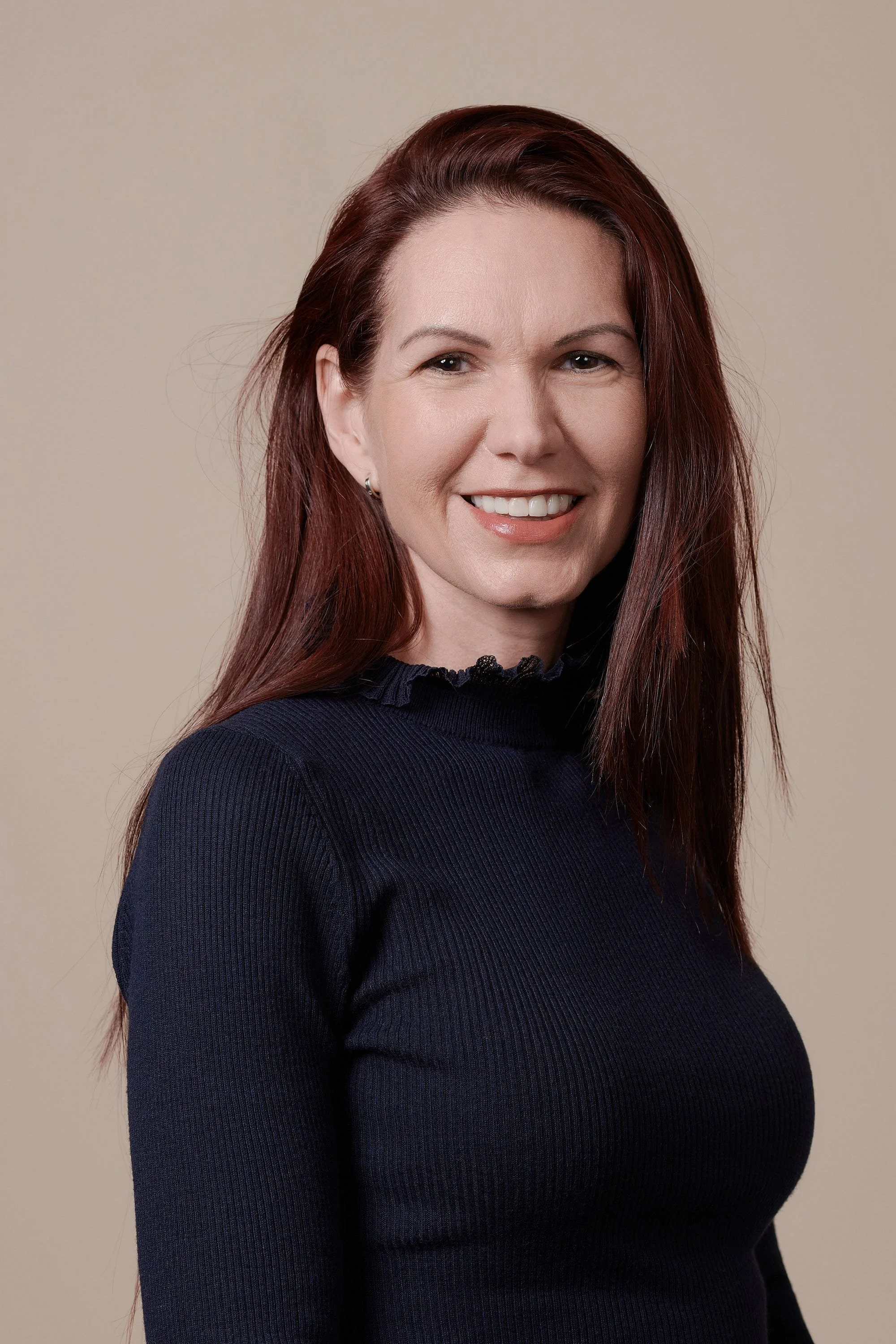
Angy Watson
Chief People and Tranformation Officer, Paymentology
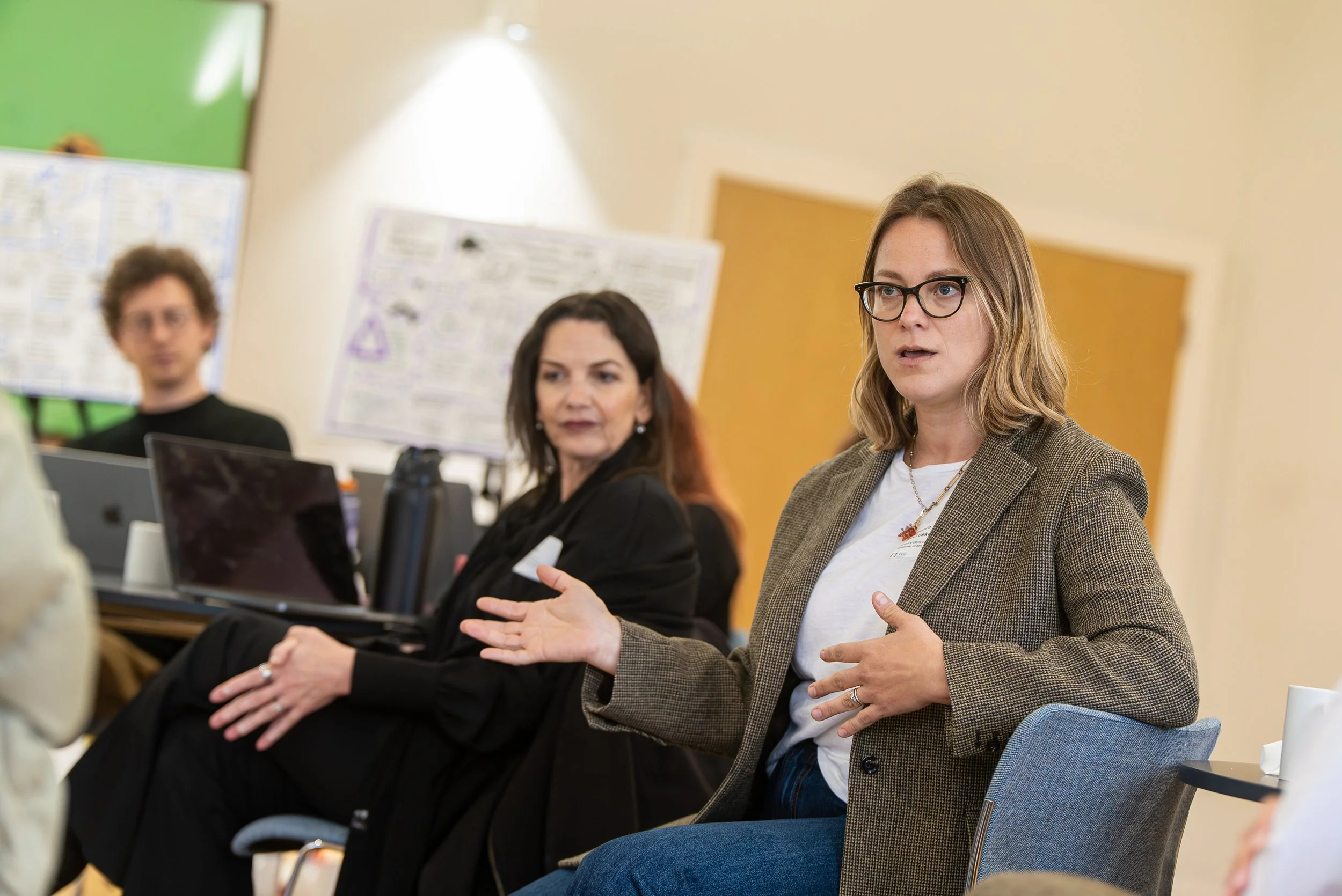
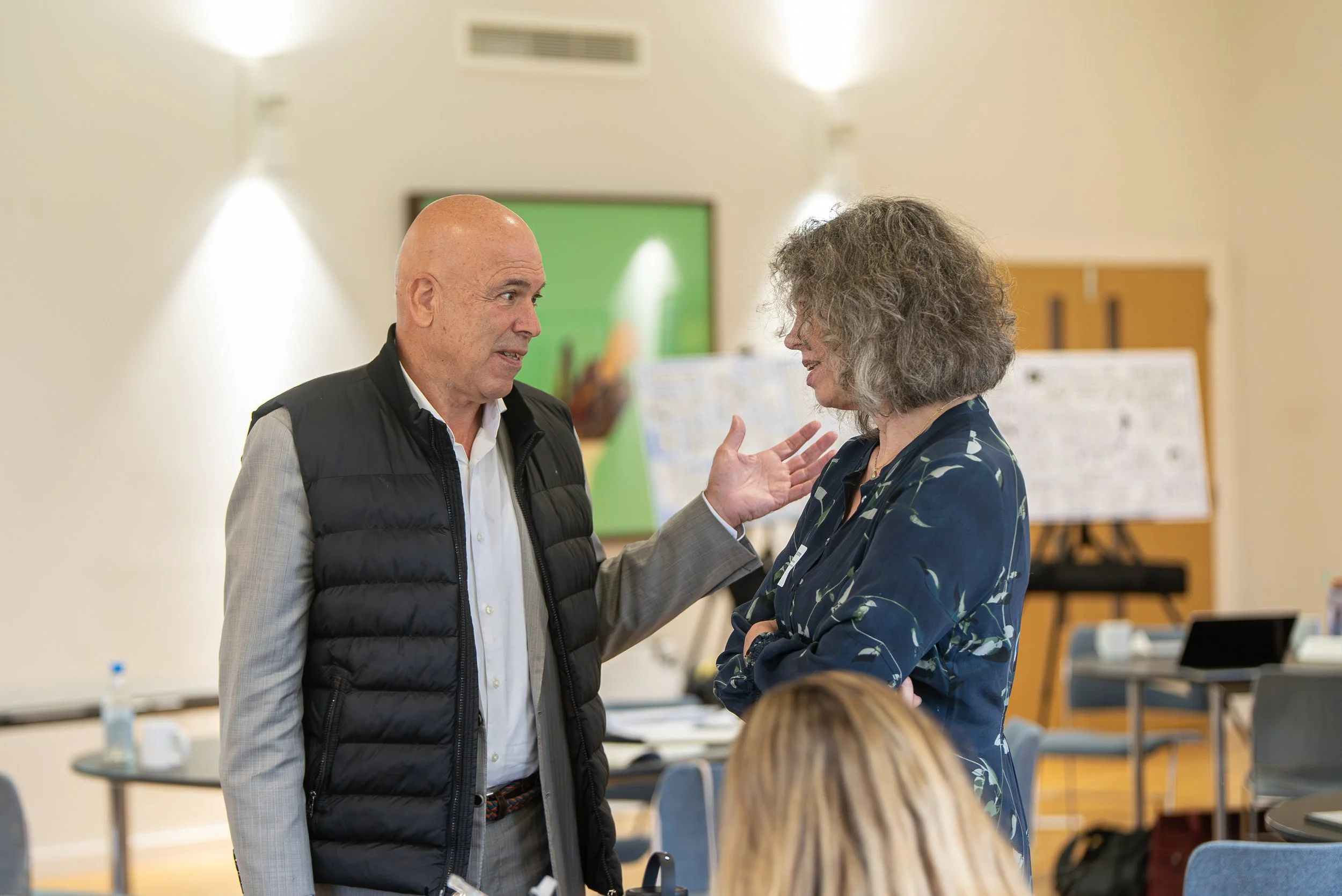
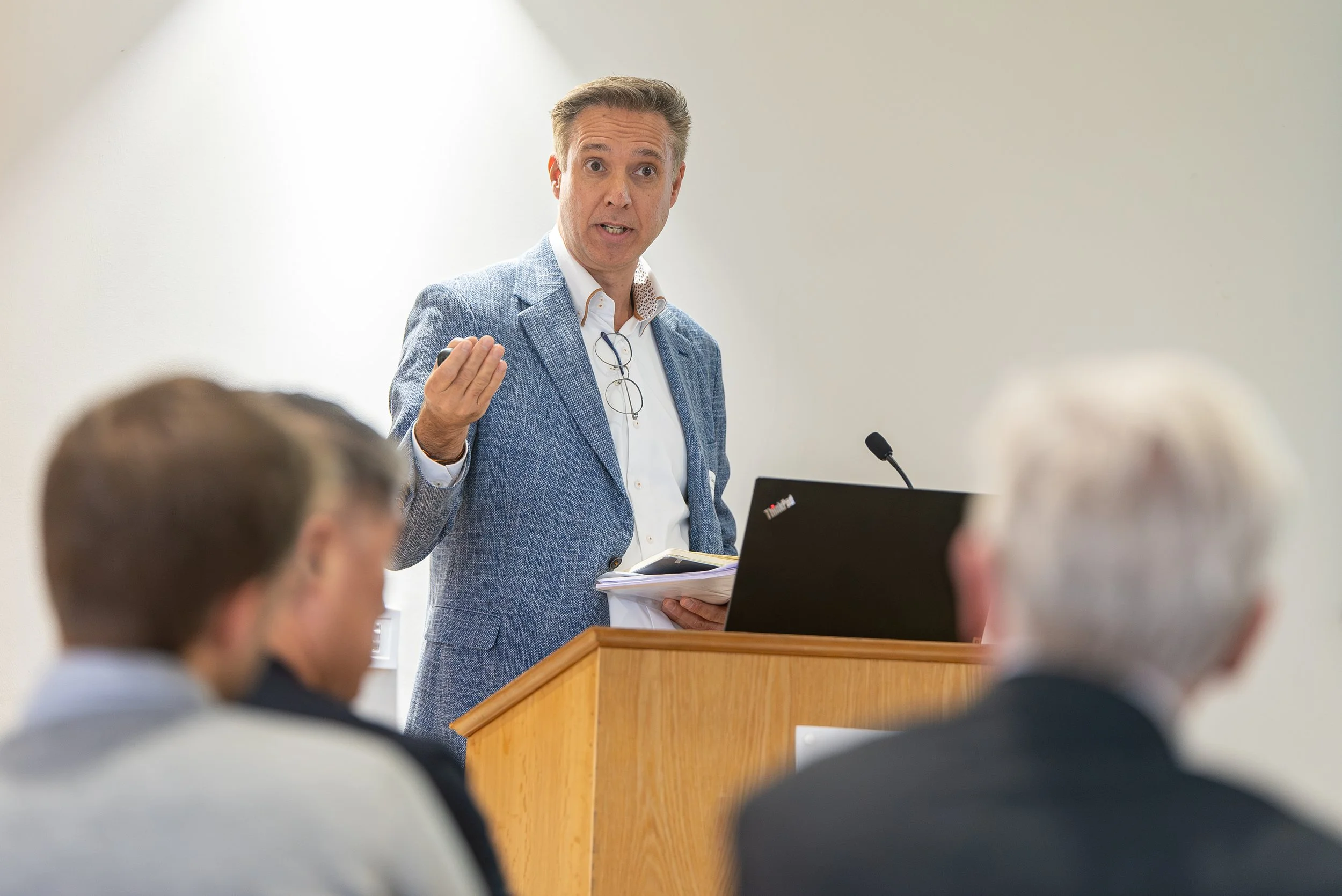
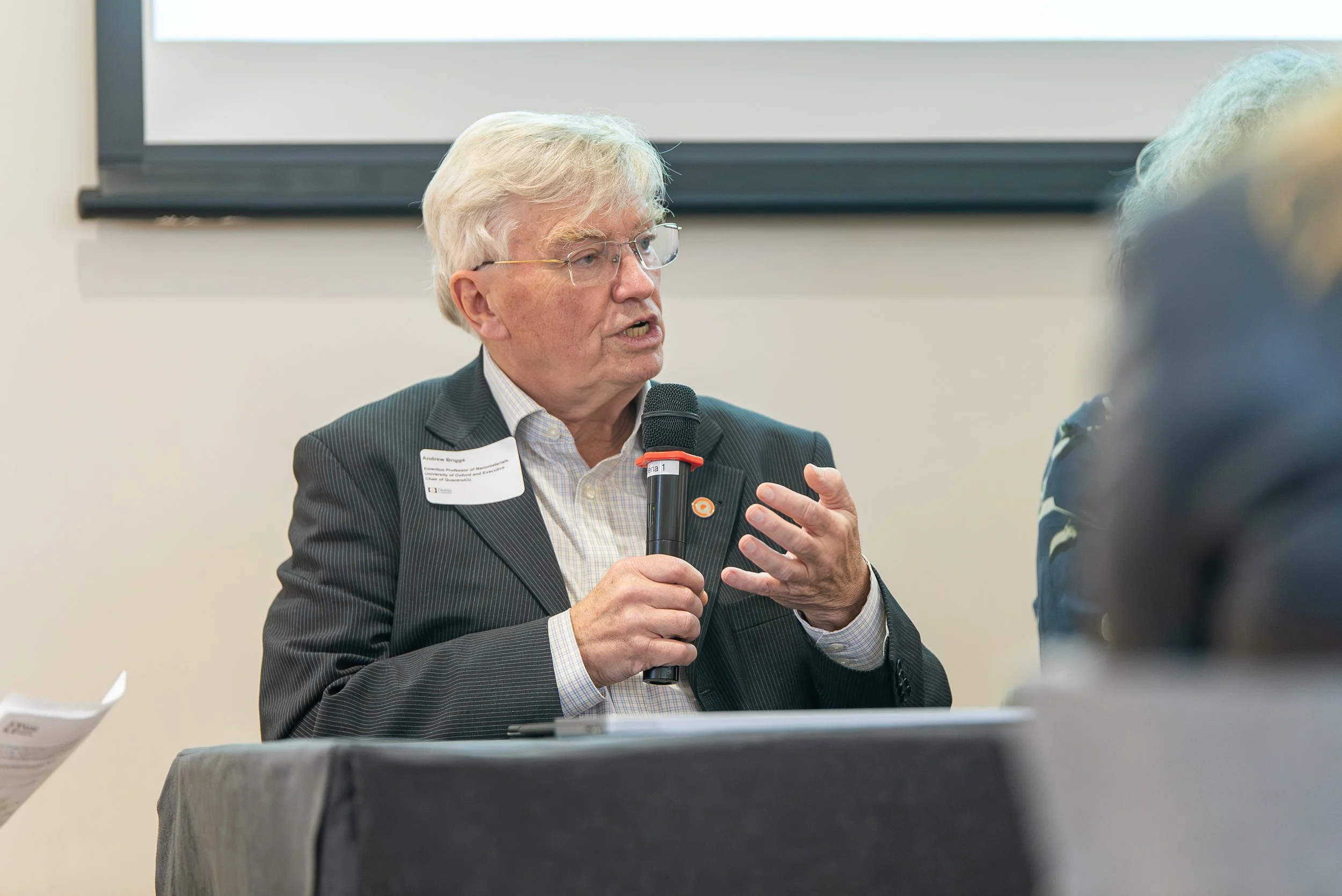
Cambridge Workshop 2025 Image Gallery





Organizers

Ron Ivey
Research Fellow, Human Flourishing Program, Institute for Quantitative Social Science, Harvard University
Founder and CEO, Noēsis Collaborative
Henry Shevlin
Associate Director, LeverHulme Center for the Future of Intelligence, University of Cambridge
Program Director, Kinds of Intelligence Program