

News
Noēsis in the News

To Be Human-Like or Not To Be Human-Like
What does it mean for a powerful AI model to be shaped as a character? Can AI be virtuous? Should we create AI entities that are conscious? Can an AI entity like Claude be a friend to human beings? This essay reflects on our time with the Anthropic team exploring the latest developments of their AI model Claude and the ethics of the Constitution it is trained on.

AI and the Future of Higher Education: Preparing Students for “the Good Life” and “Good Livelihoods” in the Age of AI
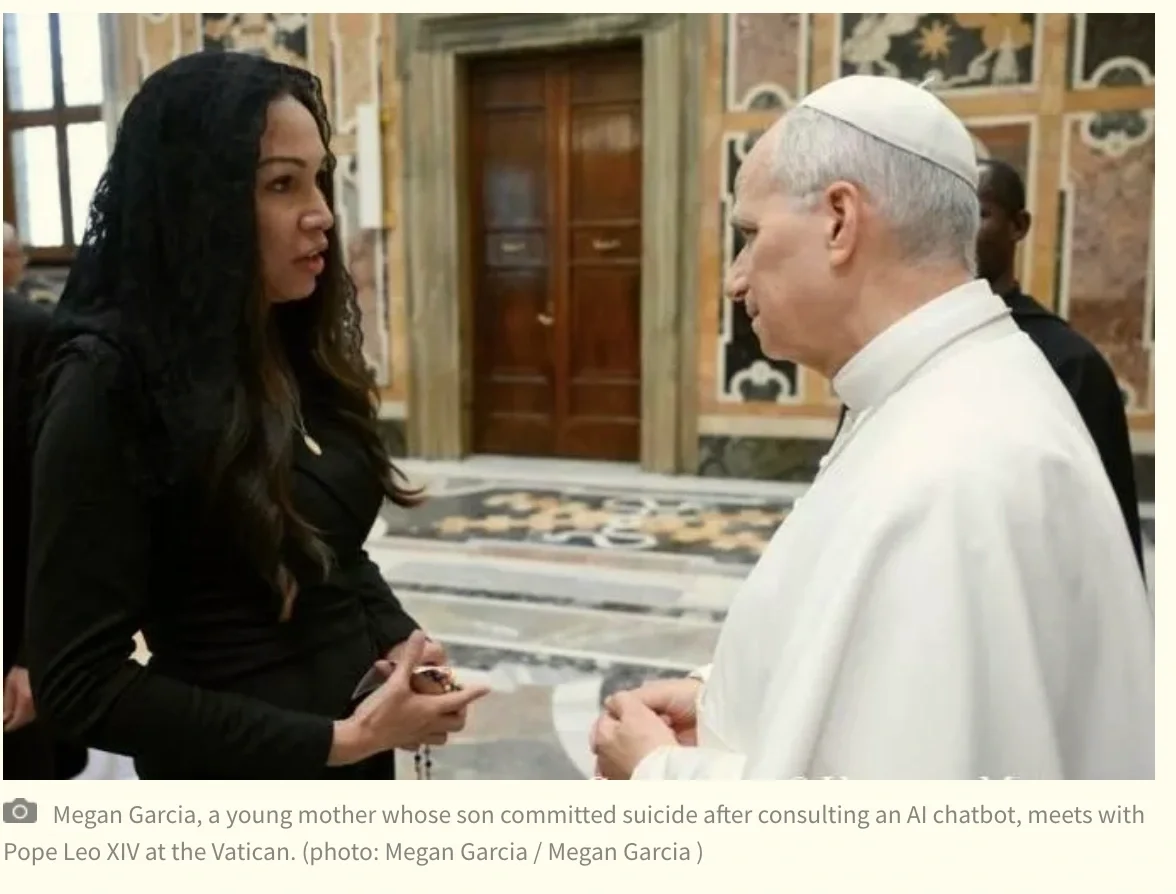
Pope Leo XIV Meets Catholic Mother Who Lost Son to AI Chatbot Suicide
A recent National Catholic Register story on Megan Garcia’s meeting with Pope Leo XIV spotlighted key insights from the HumanConnections.AI Salon, where experts warned about the risks AI chatbots pose to children and teens. Replika founder Eugenia Kuyda stressed that her platform bars users under 18, saying we “can’t be experimenting and building it with kids.” MIT’s Sherry Turkle cautioned that young people seeking empathy from chatbots end up with “a voice from nowhere,” rather than the human connections they need to develop emotionally and relationally.
The article also featured perspectives from Ron Ivey, founder and CEO of Noēsis. He noted that while adults typically use chatbots for tasks, young people turn to them for deeper questions about purpose, relationships, and identity, creating unique developmental risks. “These machines don’t care about the child,” Ivey said, raising concerns about how hours of daily interaction with AI companions may shape a child’s moral, emotional, and social growth.
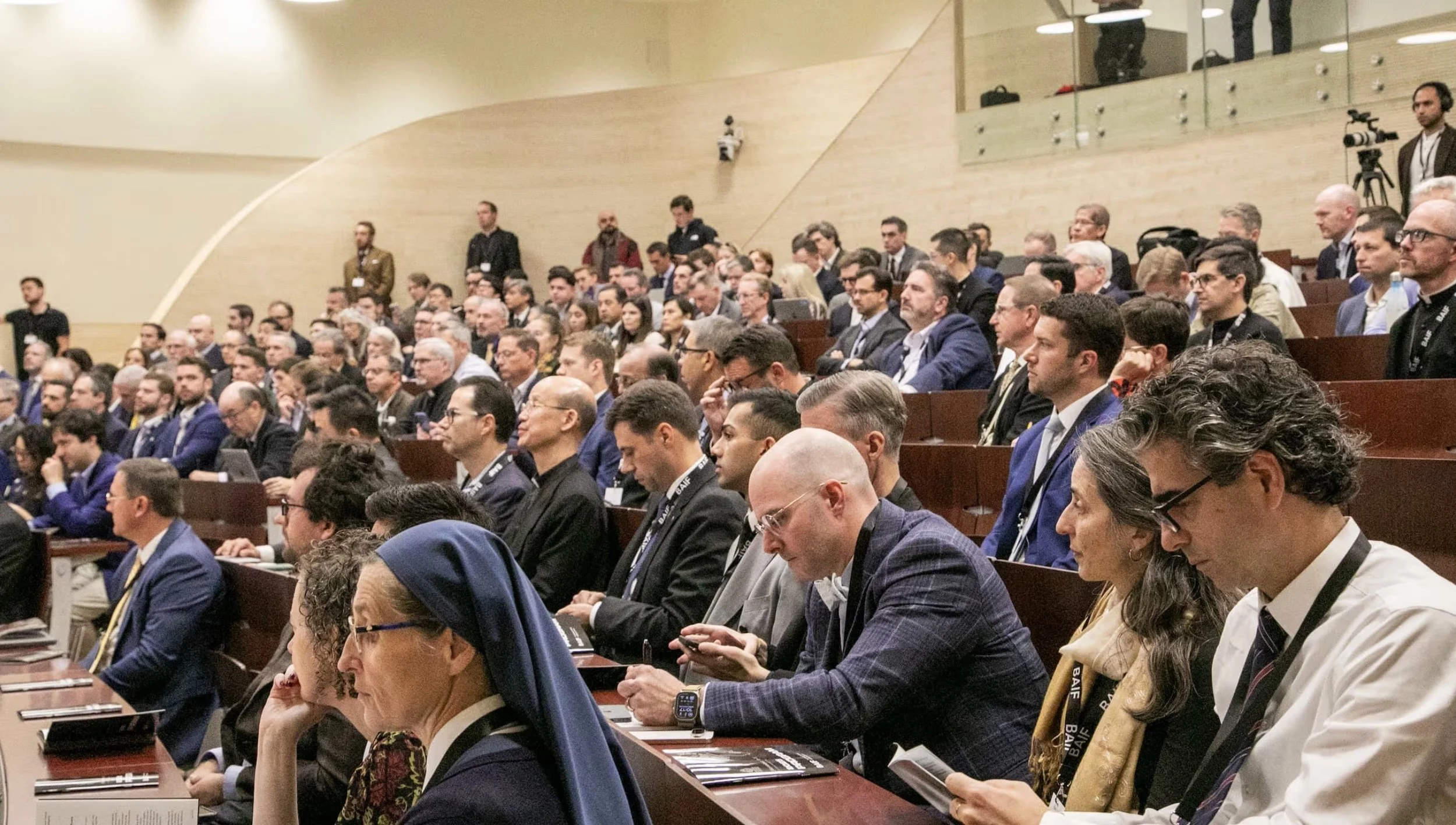
Builders AI Conference at “the Pope’s University” | Interview with NCR Vatican Correspondent
Builder’s AI Conference at the Pope’s University, the Pontifical Gregorian University
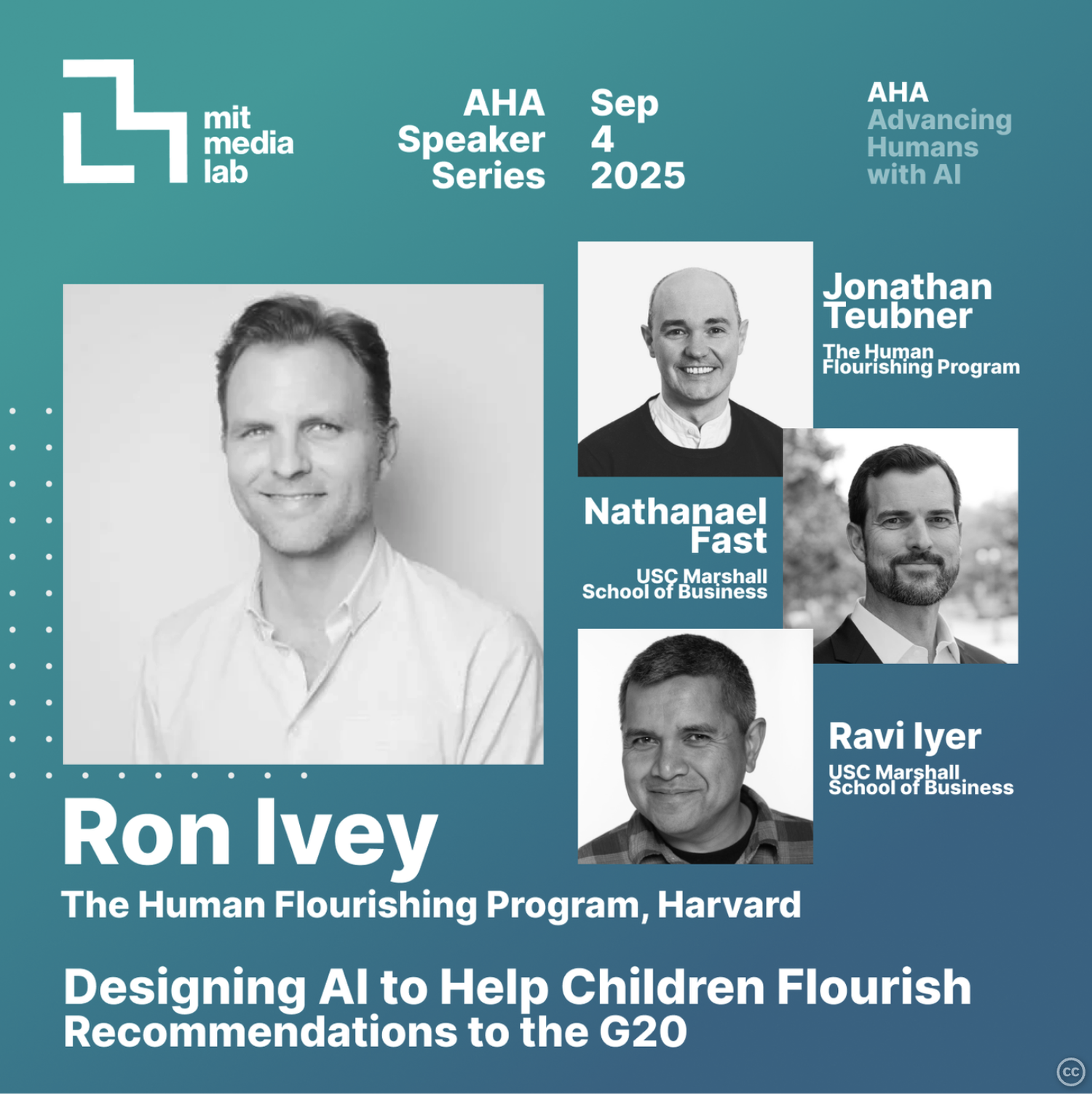
MIT Media Lab + USC Neely Center + Harvard Human Flourishing Program | AHA Speaker Series: Designing AI to Help Children Flourish
Artificial intelligence (AI) innovation offers numerous benefits, yet its rapid development also presents significant risks, particularly for children. AI chatbots, powered by large language models (LLMs), are becoming increasingly integrated into daily life, with platforms such as ChatGPT and Character.AI attracting hundreds of millions of users, including minors …
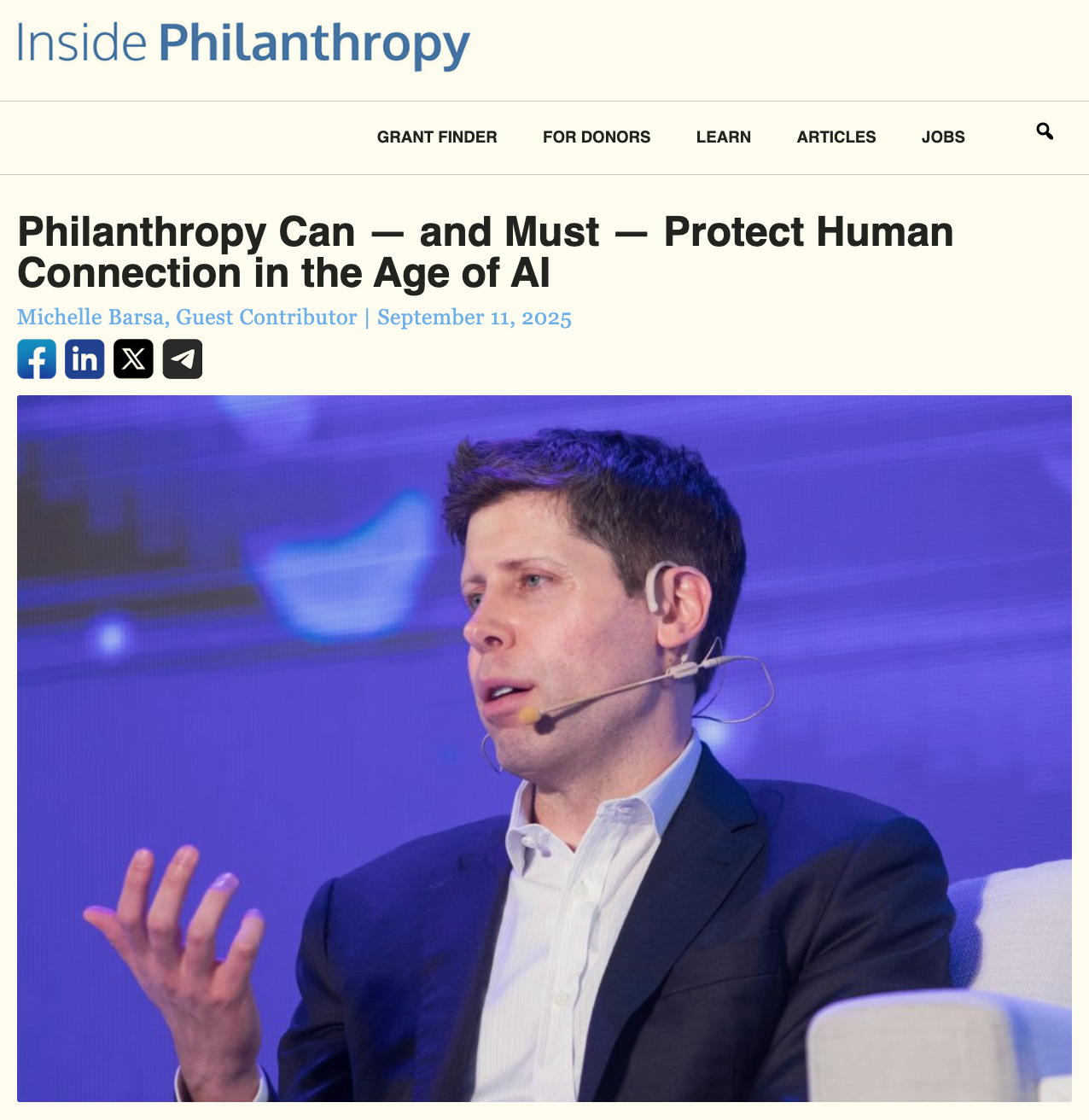
Inside Philanthropy | AI & Human Connections
Philanthropy Can — and Must — Protect Human Connection in the Age of AI
Michelle Barsa, Guest Contributor | September 11, 2025
“Belonging is built in the messiness of human interaction — from disagreements that force us to consider other perspectives to everyday exchanges that bond us with our neighbors and communities. At Omidyar Network, our work on social connection with partners like Noēsis Collaborative and The Rithm Project, among others, has revealed a key tension: Belonging optimizes for the collective, while technology optimizes for the individual. As AI companions draw us inward into one-on-one relationships with machines, they risk draining energy from these shared ties.
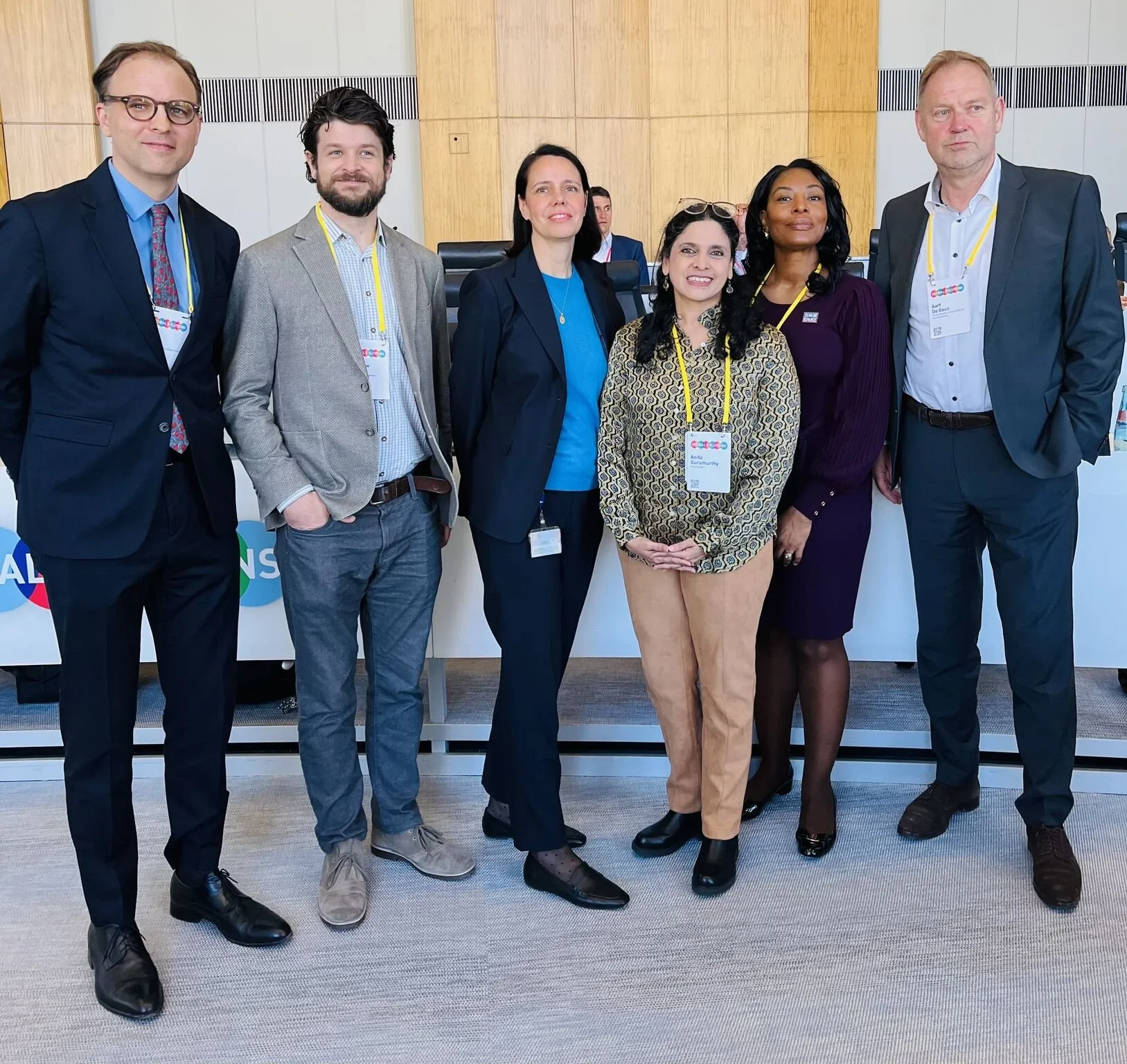
Noēsis Provides Recommendations to the G20 | Designing AI to Help Kids Flourish
Founder, Ron Ivey, recently spoke on AI and human flourishing at the Global Solutions Initiative Summit, an advisory body to the G20. He presented a policy brief …
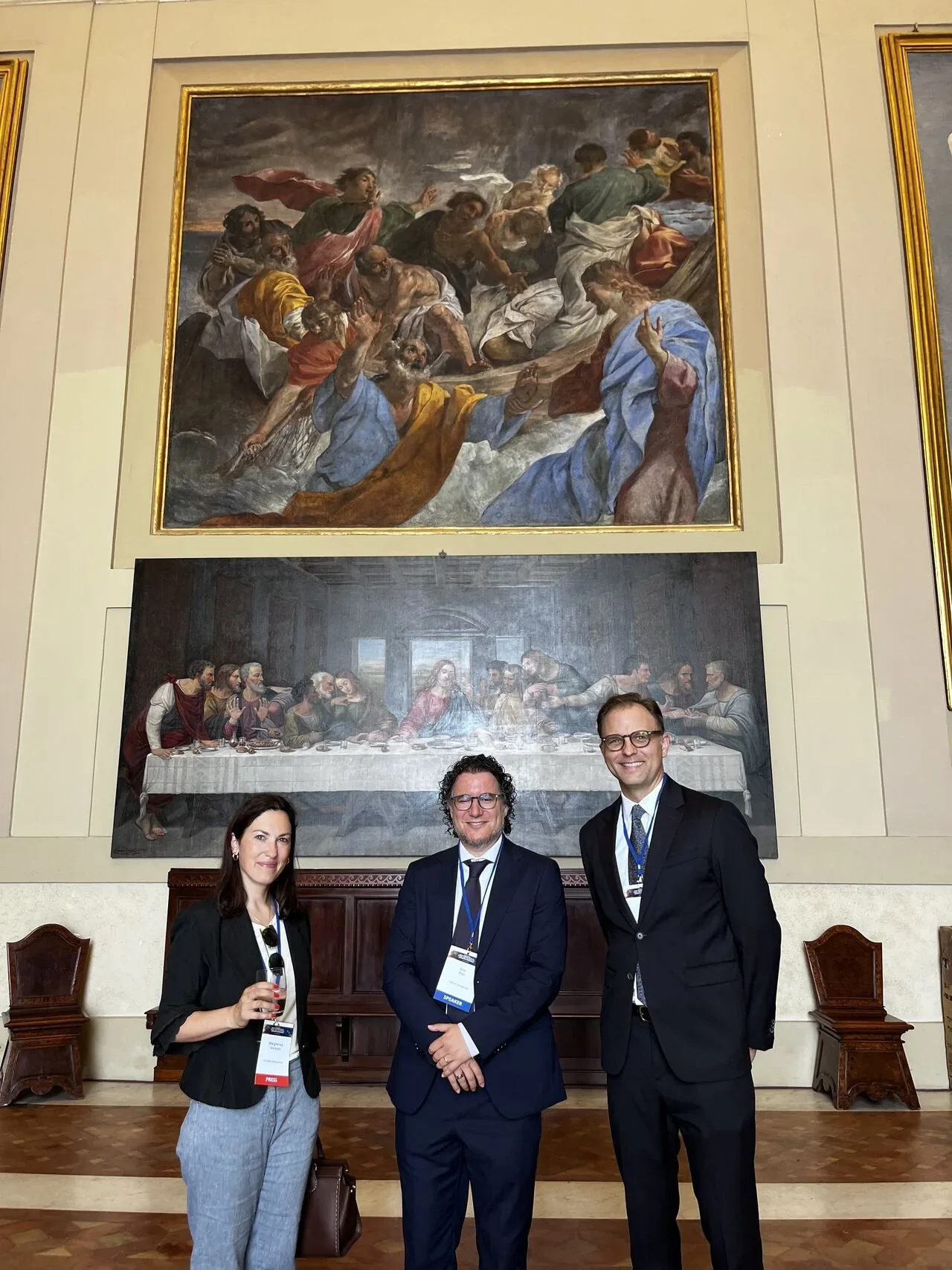
The Vatican | Rome Conference on AI, Ethics, and the Future of Corporate Governance
On June 19-20, our Founder, Ron Ivey attended the Second Annual Rome Conference on AI, Ethics, and the Future of Corporate Governance at the Aposolitic Palace …
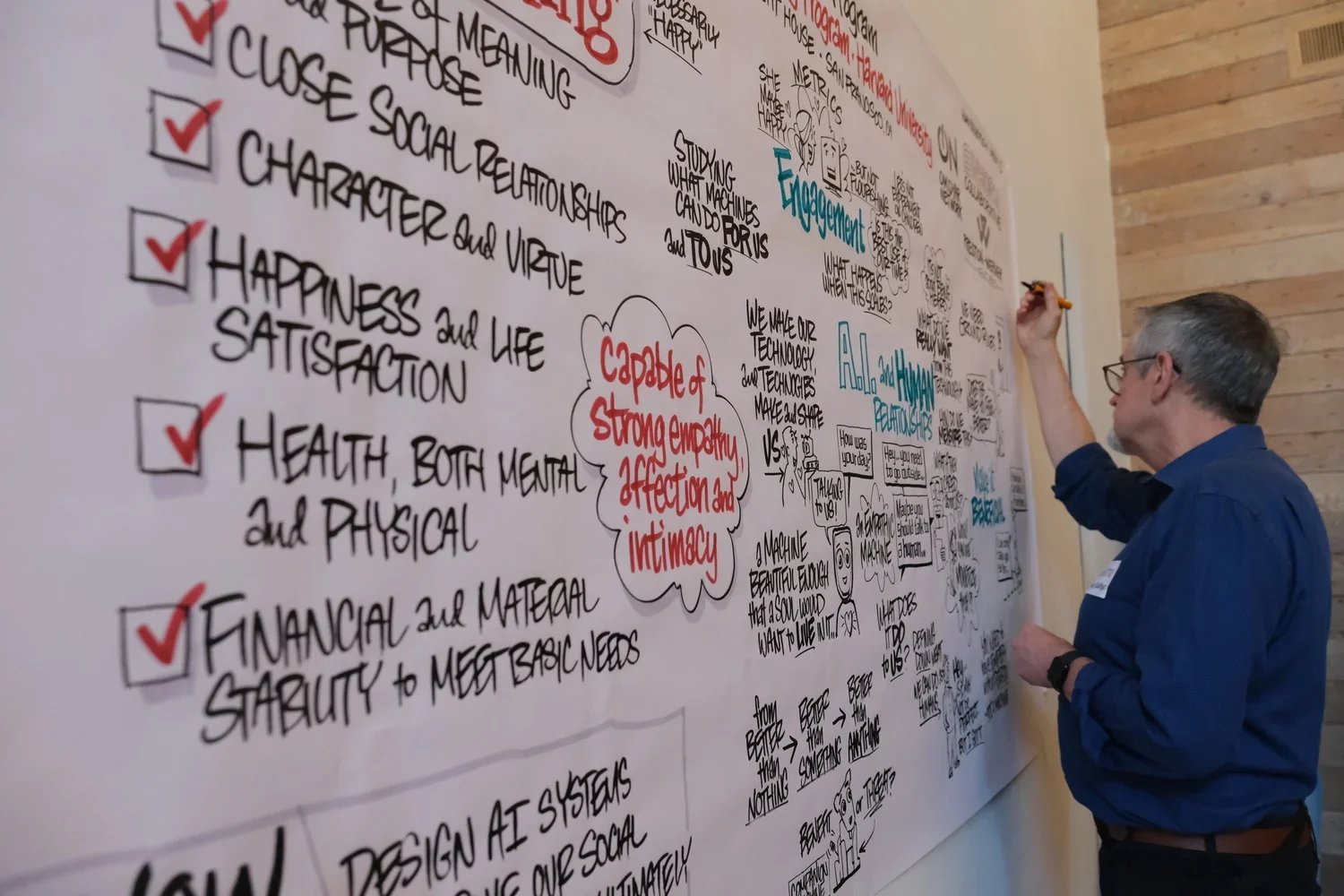
Harvard Human Flourishing Program + HumanConnections.AI | Social AI White Paper
Our HumanConnections.AI program recently published a white paper called: Social AI and Human Connections: Benefits, Risks and Social Impact. Drawing on a review of recent literature, expert interviews …
Welcome to Noēsis Collaborative
Noēsis Collaborative is a new nonprofit organization building a collaborative ecosystem of leaders who research, build, and govern technologies that advance human flourishing.

Interview with De Kai Wu, AI Pioneer and Author of Raising AI.
In this @humanconnectionsai interview, De Kai provides his perspective on AI and human relationships and the perspectives on the future of this new frontier …

Interview with Andrew McStay, Author of Automated Empathy.
Humanconnections.AI interview with Andrew McStay, Author of Emotional AI and Automated Empathy, Founder of the Emotional AI Lab and Professor of Technology and Society, Bangor University at the HumanConnections.AI Salon …
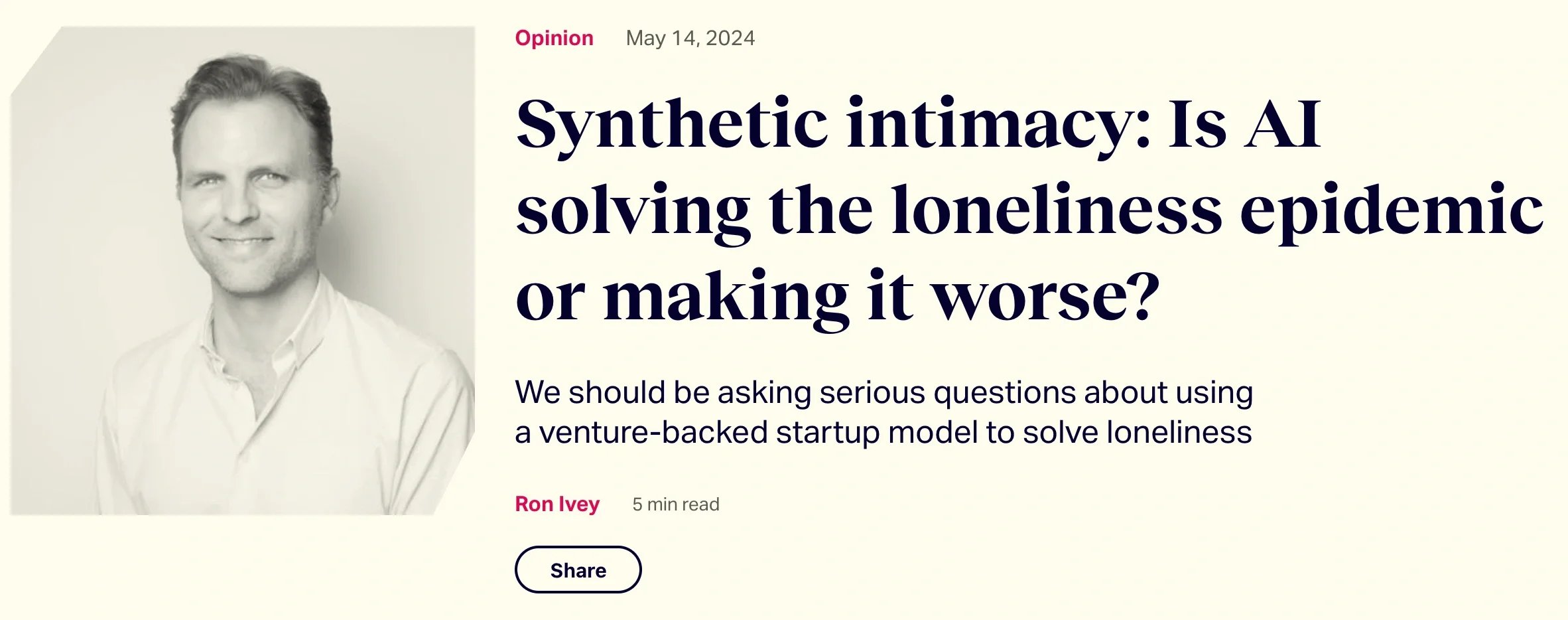
Op-Ed | Synthetic Intimacy | Sifted FT Newsletter
In Synthetic Intimacy: Is AI Solving the Loneliness Epidemic or Making It Worse?, Ron Ivey explores the rapid rise of AI “companions” and asks whether venture-backed startups are the right stewards of a public health crisis like loneliness. Companies such as FantasyGF, Character.AI, and Meeno are tapping into what investors call the “loneliness market,” with users spending hours each day forming intimate bonds with AI partners. But as Ron argues, deploying synthetic intimacy to isolated young people may deepen emotional fragility, distort reality, and undermine the social trust that democracy depends on.
Drawing on research from the Harvard Human Flourishing Program, he warns that AI mentors risk replacing the real human relationships essential for mental, emotional, and moral development. Ron also highlights the deeper issue: our economic system rewards growth above all else, pushing founders toward products that scale quickly even when they may harm community life. He argues for new flourishing-centered metrics for national policy and corporate performance, and calls for leadership models that prioritize human wellbeing over frictionless growth.
The essay ends on a hopeful note: technology can support flourishing when grounded in real, in-person connection. A café conversation with Meeno’s founder reminded Ron that genuine human encounters are where meaningful change begins.
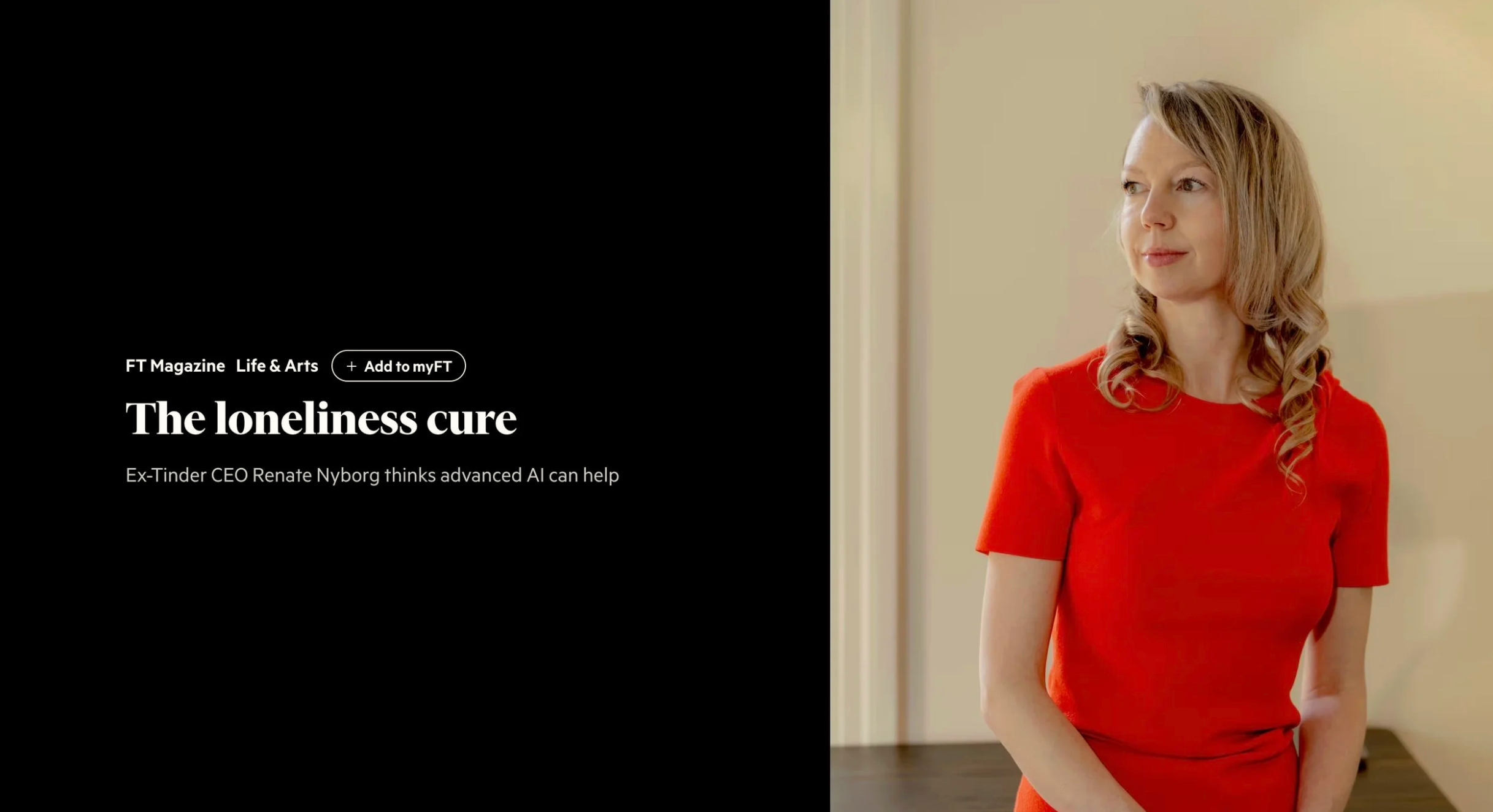
The Loneliness Cure | Financial Times Magazine
April 26th, 2024 - In this Financial Times Magazine story, The Loneliness Cure, Noēsis Founder and CEO Ron Ivey provides his insights on the rising use of chatbots to address the loneliness crisis. The story highlights the story of Renate Nyborg, the former CEO of Tinder and the founder of Meeno, a relationship mentoring chatbot and her conversations with Ron about the risks for human flourishing in providing this kind of consumer technology.