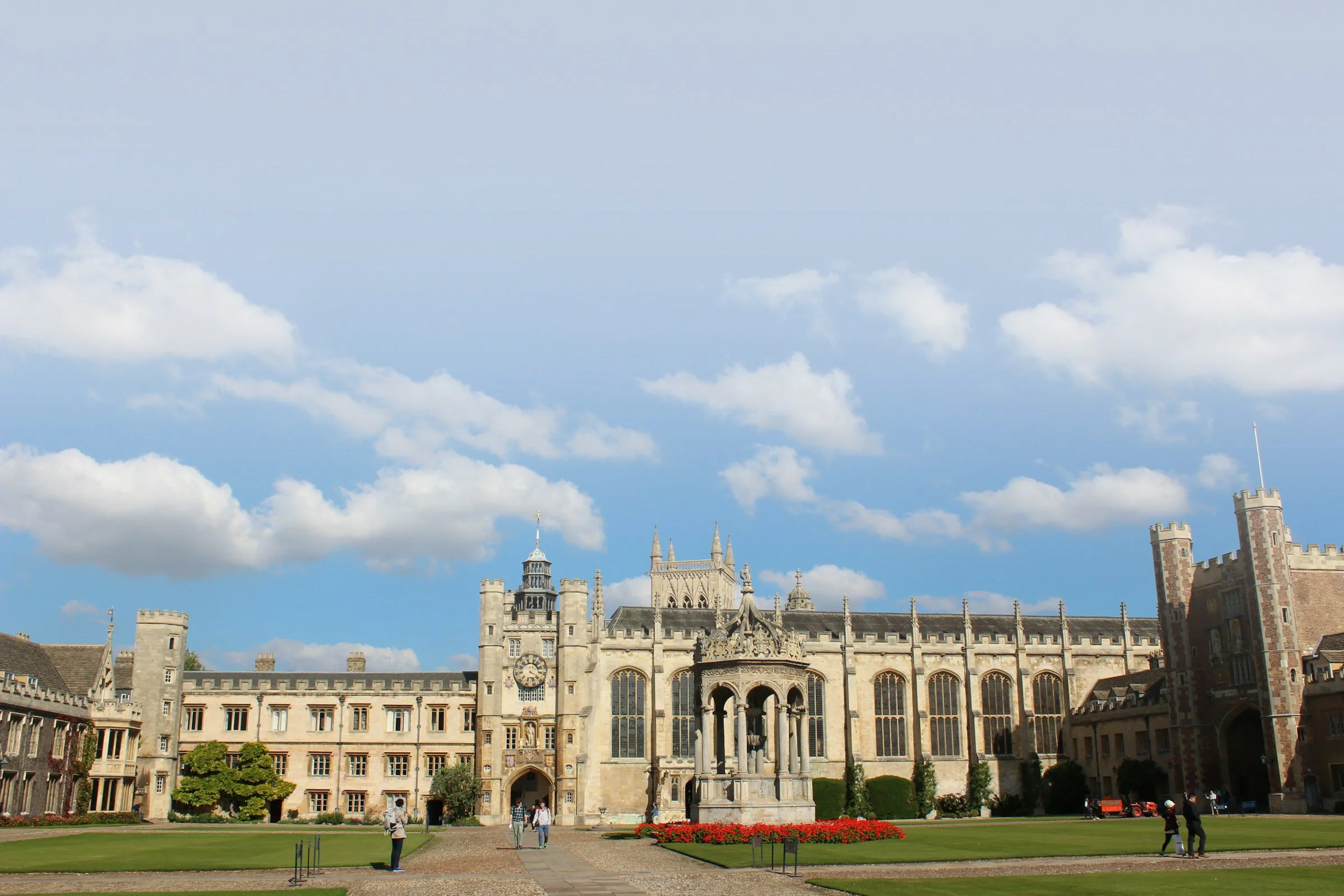
AI and the Future of Higher Education
A Roundtable Discussion and Workshop at Jesus College, University of Cambridge
March 30-31, 2026
How Might We Design Higher Education For Human Flourishing in the Age of AI?
We are honored to welcome you to Jesus College at the University of Cambridge for an invitation-only gathering and roundtable discussion to begin to answer a defining question of our time:
How might we design higher education for human flourishing in the age of AI?
Co-organized by the Noēsis Collaborative, the Harvard Public Culture Project and the Intellectual Forum at Jesus College, this gathering brings together leading voices within higher education, the future of work, AI, and philanthropy to explore:
Human flourishing and human capabilities in an AI-shaped world
AI capabilities and their implications for human development
The evolving value proposition and purpose of higher education
The future of work and institutional leadership responses
Concrete collaboration pathways and next steps for post-roundtable action
Throughout the gathering, participants will engage in thoughtful dialogue, collaborative workshops and shared, curated experiences around the historic University of Cambridge. Together, we will begin to develop a shared understanding and clear path of action to chart the future course of higher education and ensure its mission to prepare students for both the good life and good livelihoods in the age of AI.
Why Attend?
Be a Part of the Change: Take an active role in shaping the future of higher education. Collaborate on groundbreaking ideas, frameworks, and initiatives that drive meaningful change.
Connect with Key Luminaries: Engage with leading figures across higher education, technology, the future of work, & philanthropy.
Discover Breakthrough Research: Delve into the latest studies on human flourishing, AI, and higher education, and explore innovative ways to think about and tackle these pressing issues.
Meeting Principles: We use the principles of mutual respect, curiosity, vulnerability, and openness to ground a conversation between sides that don't often meet in a collaborative setting. This include Chatham House Rule, ensuring a trusted environment for sharing insights and ideas.
Fireside Chat on Gen AI & Youth
Professor Sonia Livingstone, Director of LSE Digital Futures for Children Centre; Professor Henry Shevlin, Associate Director of the Leverhulme Centre for the Future of Intelligence; Ron Ivey, Founder & CEO of Noēsis Collaborative
Featured Speakers & Participants
-

Danielle Allen
Professor, Harvard University; Director, Allen Lab for Democracy Renovation; Director, Democratic Knowledge Project
-

Jenny Anderson
Award Winning Journalist & Author of The Disengaged Teen: Helping Kids Learn Better, Feel Better, and Live Better
-
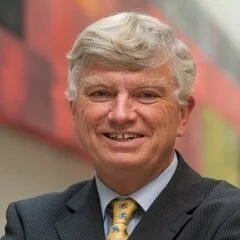
Andrew Briggs
Emeritus Professor, Oxford University
-

Courtney Brown
Vice President of Impact and Planning, Lumina Foundation
-

Ian Marcus Corbin
Founding Director, The Public Culture Project, Harvard University
-

Kenneth Cukier
Deputy Executive Director, The Economist
-

Joelle Deleveaux
Strategy Officer for Innovation and Discovery, Lumina Foundation
-

James Donovan
Head of Learning and Cognitive Outcomes, OpenAI
-

Zakiya Smith Ellis
Principal, Education Counsel
-

Ed Fidoe
CEO, The London Interdisciplinary School
-

Julia Freeland Fisher
Director of Education Research, Clayton Christensen Institute
-

Ann Kristin Glenster
Research Professor, University of Cambridge; Executive Director of The Glenlead Centre
-

Tom Harrison
Professor of Education and Deputy Pro Vice Chancellor: Education Innovation; Director of Jubilee Centre for Character and Virtues, University of Birmingham
-

Nick Hillman
Director, Higher Education Policy Institute
-
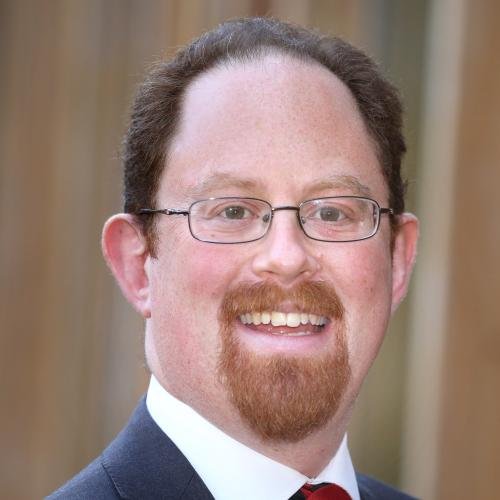
Julian Huppert
Director of the Intellectual Forum at Jesus College, University of Cambridge
-

Ron Ivey
Founder and CEO, Noēsis Collaborative; Research Fellow, Harvard Human Flourishing Program
-

Séamas Kelly
Professor of Organization, Technology & Society, University College Dublin
-
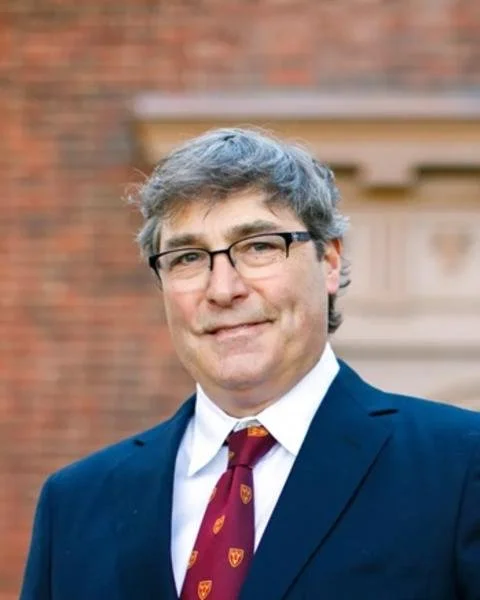
Sean Dorrance Kelly
Dean of Arts and Humanities, Harvard University
-

Chauncy Lennon
Vice President for Learning and Work and Senior Strategy Advisor, Lumina Foundation
-
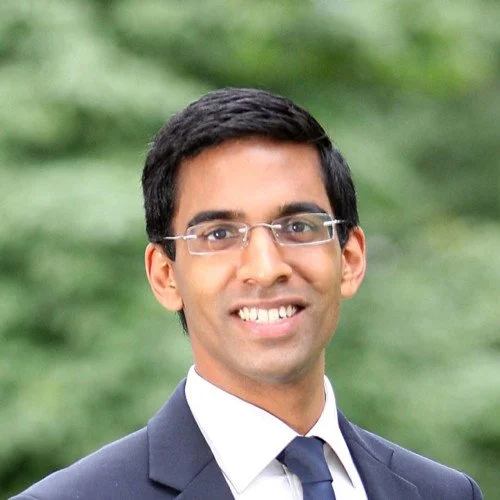
Rajay Naik
CEO, Skilled Education
-

Adrian Pabst
Deputy Director, National Institute of Economic and Social Research; Professor of Politics, University of Kent
-

James Pawelski
Professor of Practice and Director of Education in the Positive Psychology Center, University of Pennsylvania
-
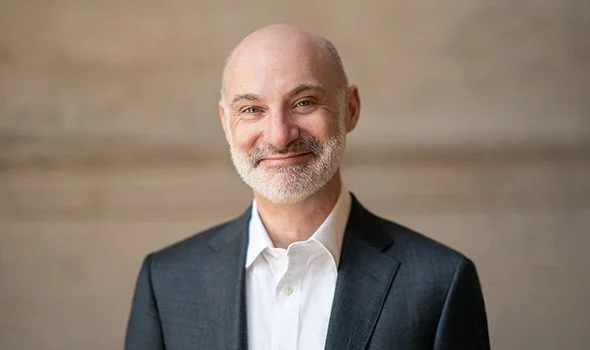
Agustín Rayo
Dean of Humanities, Arts, and Social Sciences, Massachusetts Institute of Technology
-

Shadi Shahedipour-Sandvik
Senior Vice Chancellor for Research, Innovation and Economic Development, State University of New York
-

Dennis Snower
President, Global Solutions Initiative; Senior Research Fellow, Oxford University; Non-resident Fellow, The Brookings Institution
-

Sandy Spiecher
Former CEO, IDEO
-

Terri Taylor
Strategy Director for Innovation & Discovery, Lumina Foundation
-
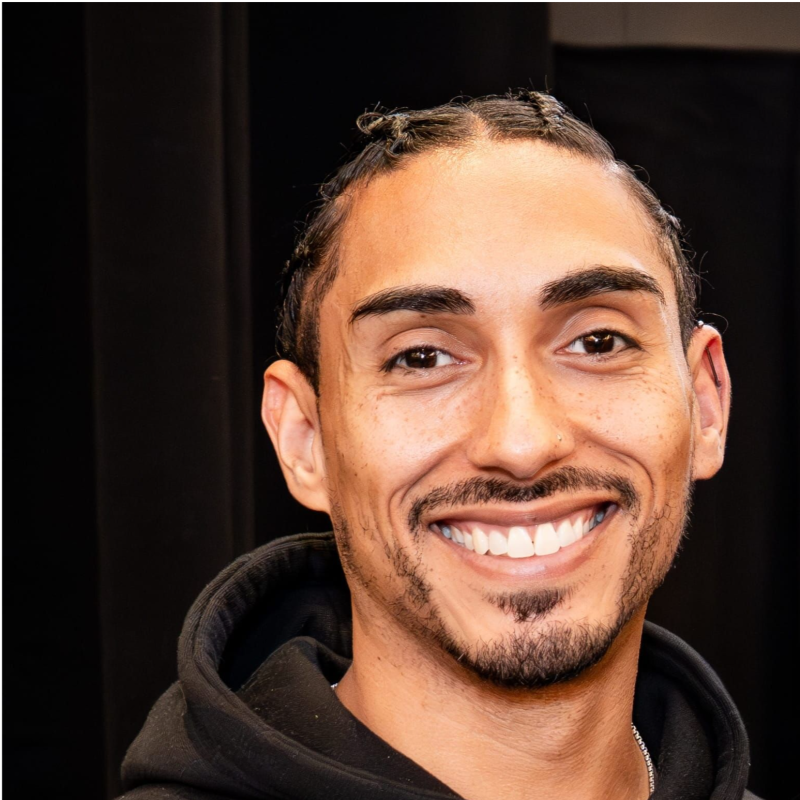
David Vasquez
Executive Director, Noēsis Collaborative
-
Bhaskar Vira
Pro-Vice-Chancellor for Education and Environmental Sustainability, University of Cambridge
-

Boris Walbaum
Founder & President, Forward College
-

Rupert Wegerif
Professor of Education, University of Cambridge
Agenda and Event Details
Day 1
| Time | Session |
|---|---|
| 6:30 - 8:30pm | Group Dinner |
Day 2
| Time | Session |
|---|---|
| 8:00 - 9:00am | Breakfast & Introductions |
| 9:00 - 9:30am | Welcome & Opening Remarks |
| 9:30 - 10:30am |
Lightning Talks
|
| 10:30 - 10:45am | Break |
| 10:45 - 12:30pm | Roundtable Discussion |
| 12:30 - 1:30pm | Lunch & Discussion | 1:30 - 2:30pm |
Lightning Talks
| 2:30 - 2:45pm |
Break |
2:45 - 4:30pm |
Workshop |
4:30 - 4:40pm |
Break |
4:40 - 5:40pm |
Synthesis & Alignment |
5:30 - 6:30pm |
Curated Experience of the University of Cambridge |
6:30 - 8:00pm |
Closing Dinner |
|
Location, Travel and Directions
Location: Jesus College, University of Cambridge
By Rail: A regular train service runs to Cambridge from London’s Kings Cross Station, London Liverpool Street Station, and many other mainline UK stations. The College is located approximately 2miles (3.2 kilometres) from the railway station. Buses run about every 10 minutes and there is a taxi rank outside the station. Taxis cost around £10. For planning a train journey to Jesus College, see National Rail.
By Air: The nearest airport is Stansted (c 32 miles / 51km). Heathrow is approximately 71 miles / 114km away, and Gatwick is 96 miles / 154km.
There are regular train services between Cambridge and Stansted. National Express operates bus services between Cambridge and all three airports mentioned above.
By Bus or Coach: The Drummer Street bus station is within walking distance of the College, approximately 500m away. For information about coach services to Cambridge, please see the National Express or Stagecoach websites.
Hotels Close By:: Since Jesus College is located in the centre of Cambridge, there are several nearby hotels that are both comfortable and convenient:
For more details about Cambridge itself, please see the Visit Cambridge website.
The Challenge of Higher Education
Higher education has been “in crisis” for decades, facing mounting questions about its value, purpose, and relevance. Rising costs, declining economic returns, widening inequality between those with and without degrees, and growing skepticism about the higher ed’s role in society have eroded public trust, leaving many with the sense that the institution has become unmoored. Across party lines, 7 out of 10 Americans say higher education is going in the wrong direction, while students themselves are increasingly uncertain about both the intrinsic and practical value of a degree.¹
Now, generative and agentic AI systems are accelerating these pressures. 85% of students report using AI to assist with assignments and learning, often without consistent or research-supported guidance, and 55% say its impact on their learning and thinking is mixed. ² As AI reshapes reading, writing, coding, credentialing, and the relationship between education and work, faculty and administrators are struggling to adapt and uphold higher education’s core social and intellectual mission while continuing to provide a valuable pathway to meaningful careers for its students.
These issues are particularly acute for community colleges, regional public universities, and minority-serving institutions that serve the majority of American learners but often lack the resources and capacity to respond effectively to dynamic changes such as those being brought by AI. At the same time, AI has intensified doubts about the instrumental value of college itself, fueling cynicism and raising deeper questions about what higher education is for in a world where many traditional skills can be automated.
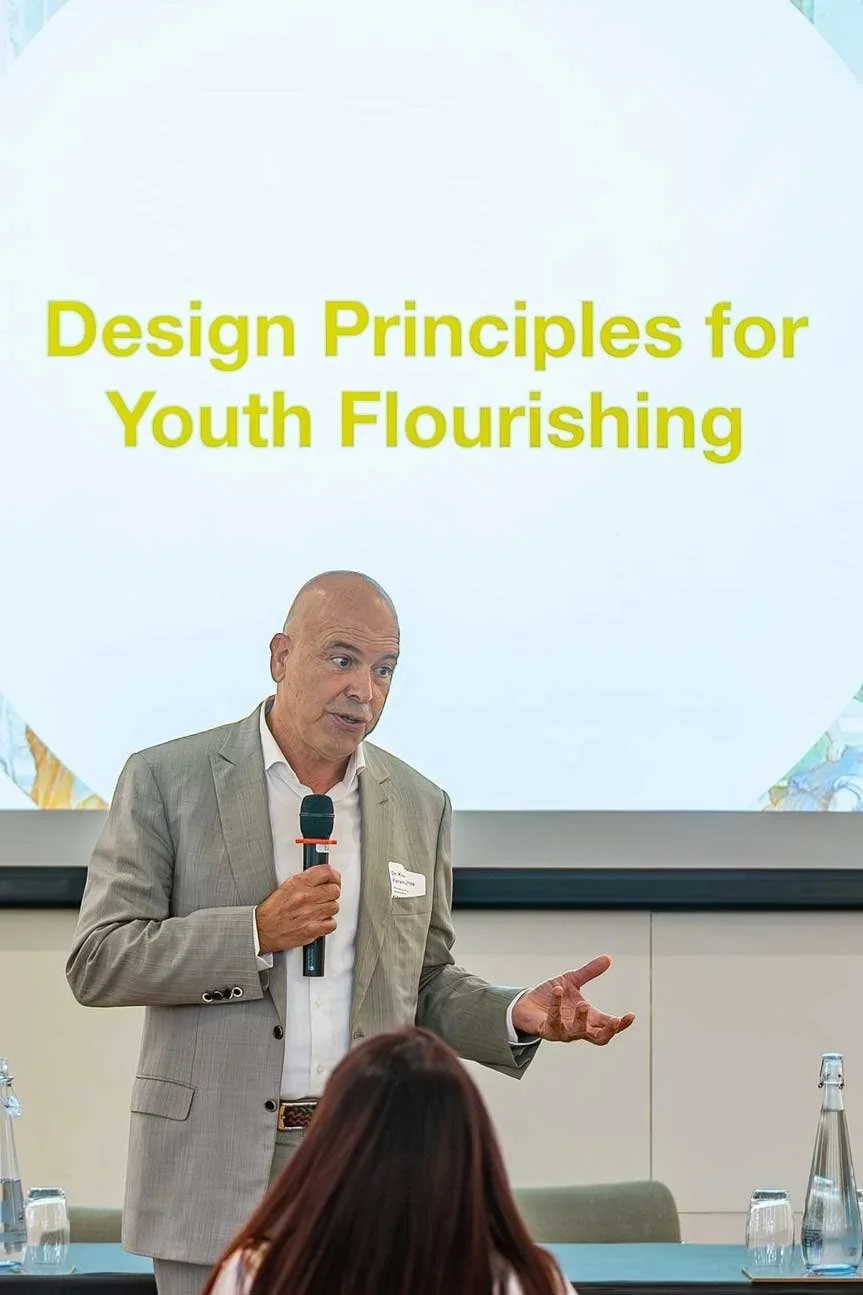
Former Managing Director of IEEE Standards, Dr. Konstantinos Karachalios, is a global expert on age-appropriate design standards at our previous Cambridge workshop.
The Opportunity of Higher Education
As AI calls the instrumental value of higher education into question, it also forces a deeper one: is there anything college can offer that is intrinsically valuable? Before higher education was framed primarily as career preparation, it was understood as a formative institution or a place of alma mater, the mother of one’s soul, where students developed identity, judgment, and purpose. In a moment of fragmentation and anomie, when 58% of young adults report lacking meaning and purpose in their lives, this formative role may be more necessary than ever. Rather than competing with machines at what they do best, higher education has an opportunity to help students become the kinds of people who know who they are, what matters to them, and how to act with creativity, confidence, and care in their families, communities, and work.
Reclaiming this mission will require more than rhetoric. Institutions must articulate a renewed account of how formation occurs in practice, integrating ethical, moral, and existential development with real-world application. At a time of accelerating technological change, leaders are called to confront fundamental questions about the core value of higher education and to develop more ambitious offerings that remain meaningful to students, employers, and society alike. Together, there is an opportunity to chart a shared path forward — one that ensures higher education can offer both the good life and good livelihoods in the age of AI.
1) Pew Research Center. (2025, October 15). Growing share of Americans say the U.S. higher education system is headed in the wrong direction.
2) Flaherty, C. (2025, August 29). How AI is changing — not ‘killing’ — college: Survey: College students’ views on AI. Inside Higher Ed.
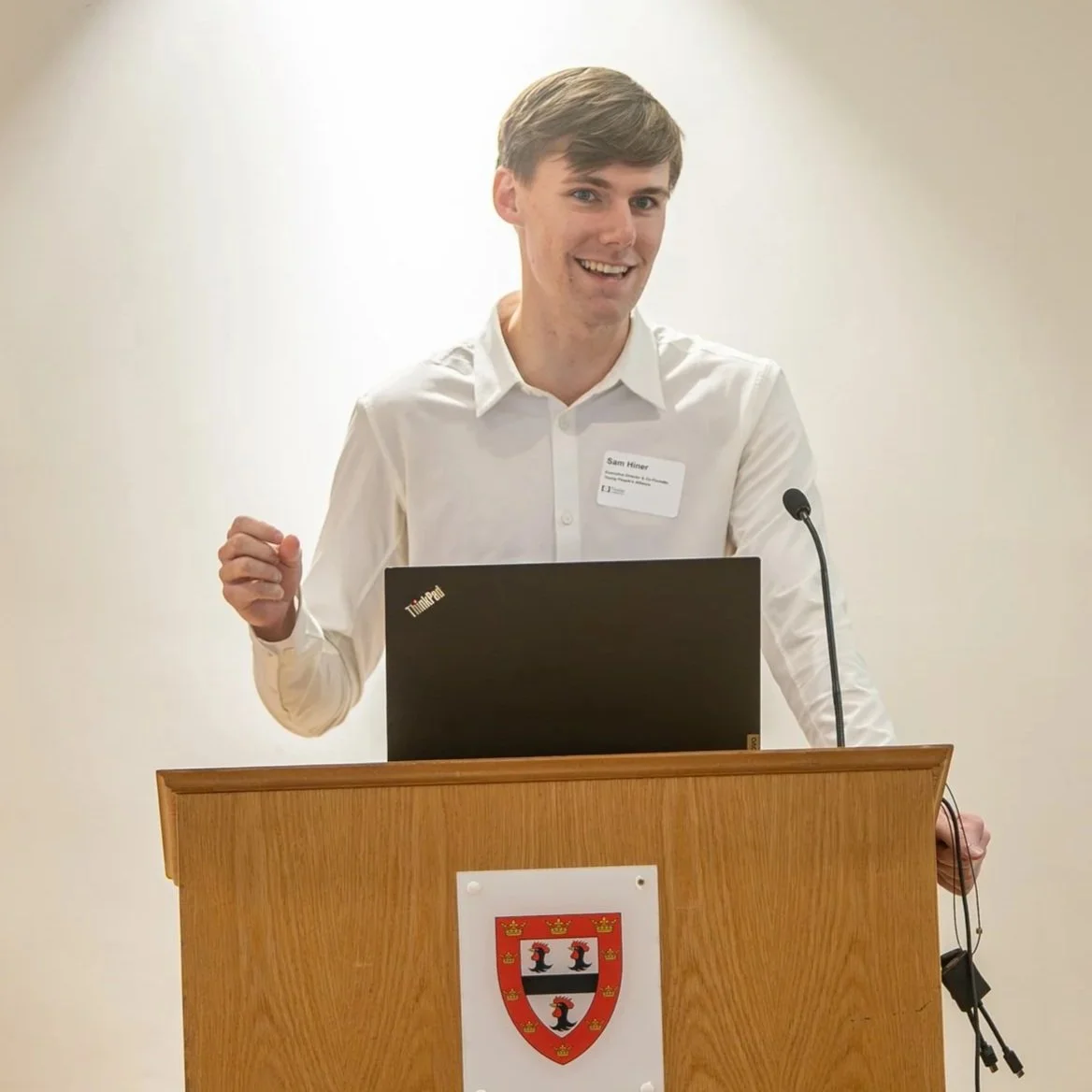
Founder and CEO of the Young People’s Alliance, Sam Hiner. Sam presented a draft policy framework for AI and youth at our previous Cambridge Workshop.
Our Guiding Questions
If we are wise, and brave, we will take this moment to step back, take a deep breath, and ask ourselves:
What, finally, do we want our universities to accomplish?
What kind of learning cultures do we want to create to achieve this purpose?
Do we exist to train young people for the jobs of the future? If so, how can we do that in such a volatile and fluid labor market?
What is the core vocation of a teacher-scholar? In the age of AI, what, if anything, do we have to offer?
What is the value of higher education?
What does higher education have to offer in addressing students core questions:
What is my purpose?
What is valuable and worthy to work on?
How do I flourish?
How do I understand the truth?
How do I learn?
We are hopeful that the answer to these questions remains: a great deal. However, we will not develop a good and workable vision if we stay in reaction mode. The time is right to take up our generational task and decide what the university should be and do in the 21st century and beyond.
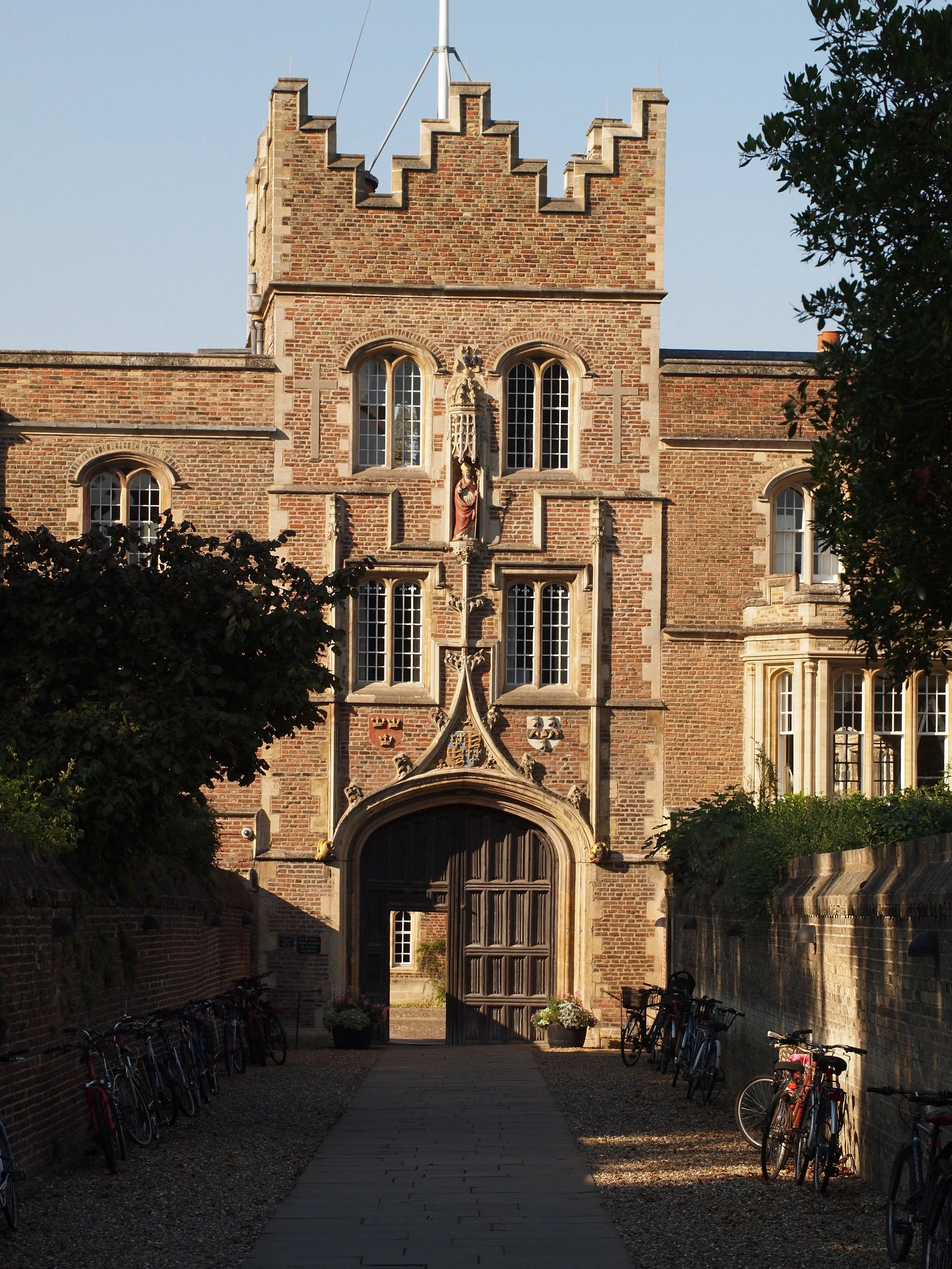
Jesus College, Cambridge
Our Impact To Date
In our previous events, we were able to turn our conversation into actionable impact, including:
Developing a Social AI and Human Connections white paper that is now shaping philanthropic strategy and investment across the field
Presenting policy recommendations to the G20 focused on responsible, human-centered AI innovation
Creating a set of design principles for AI chatbots, developed in collaboration with academic and industry partners
A cross-sector convening to advance dialogue on AI governance and youth wellbeing
Advising the U.S. Congress on oversight hearings and policy focused on AI chatbots and youth


Thank You to Our Sponsor
Past Participating Organizations