
Advancing Humanity
in the Artificial Age

Our Mission
We are cultivating an ecosystem of leaders who research, build, and govern technologies that advance human flourishing.

What is Human Flourishing?
Human flourishing means becoming fully alive: discerning wisely, loving well, acting justly, and building what lasts.
At Noēsis, we are building a world where technology strengthens, not replaces, these core human capabilities.
If you are curious about what Noēsis means, learn more here.
What’s at Stake?
The Challenges
For the first time in human history, with the advent of Generative AI (Gen AI) in 2022, humans have built technologies that can mimic human language and culture. These machines are often operating without meaningful human supervision, and yet they lack any capacity to empathize, discern wisely, or love us.
Gen AI systems are building intimate, sometimes dangerous relationships with children and youth. They risk deteriorating our core human capabilities to imagine, think, relate, and work together.
The Opportunities
However, new technologies hold enormous potential. Some AI systems are aiding our discovery of new cures for diseases, new ways to provide energy for our civilization, and new approaches to access our collective intelligence. Technology has been a key driver of human progress and the flourishing of humanity. It has been critical in helping us achieve our aspirations for health and prosperity. Emerging technologies like AI systems, robotics and quantum have that same potential. Humanity faces a collective choice: do we build and use technologies that undermine us or those that advance our human capabilities?

We advance technologies that promote human flourishing through three lanes of collective action:


Equipping trusted voices across society to guide wise technology adoption

Recent Work
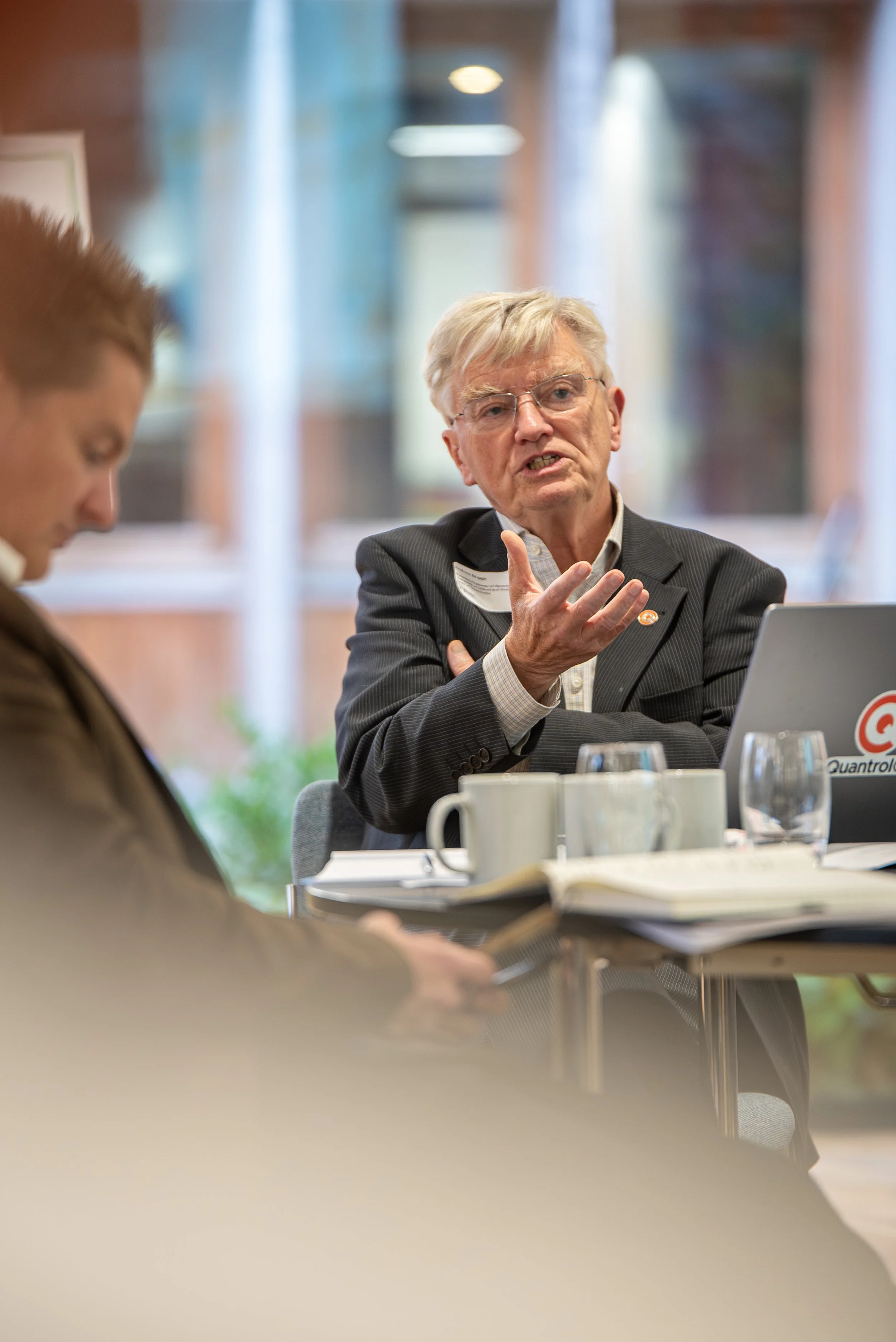
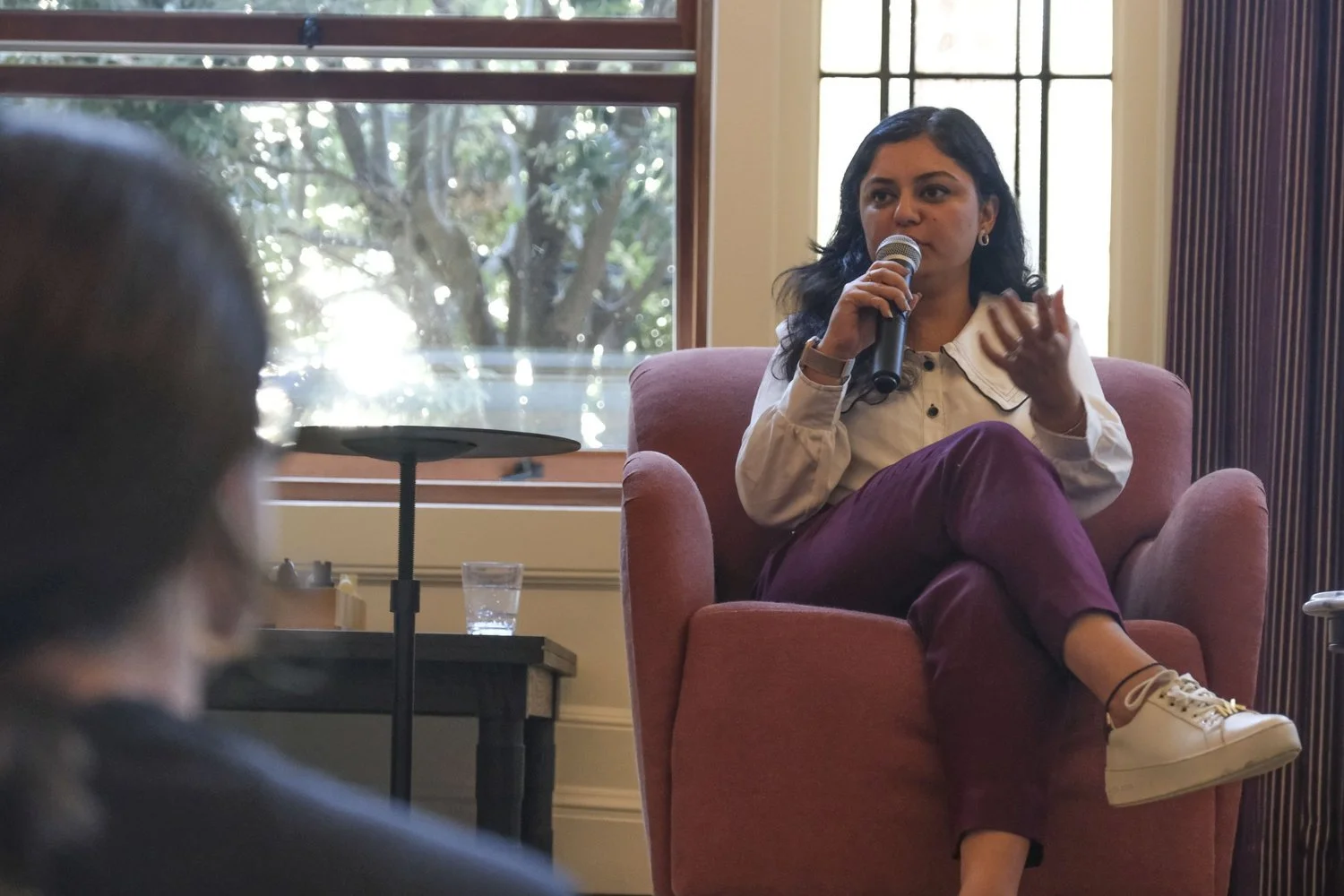
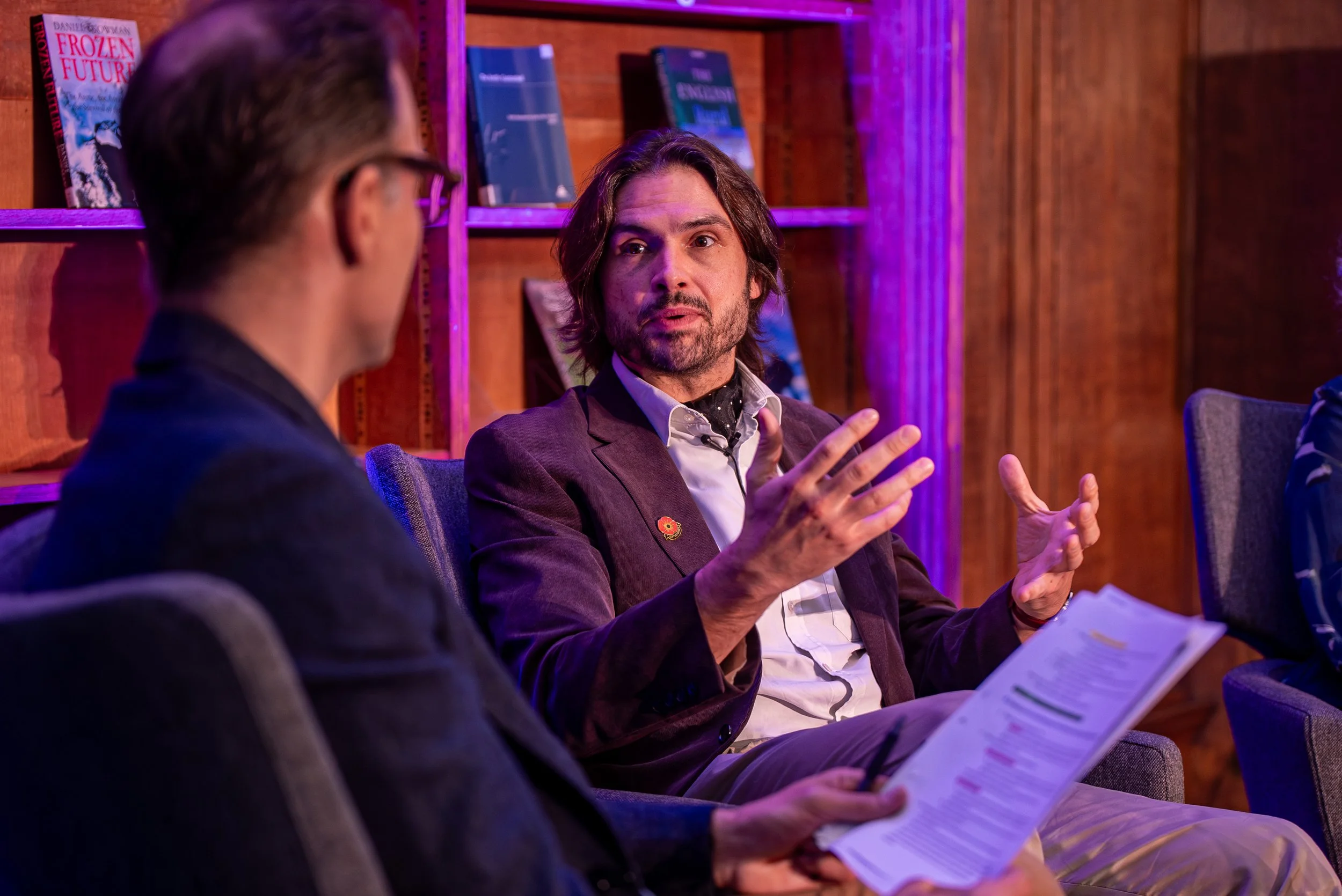
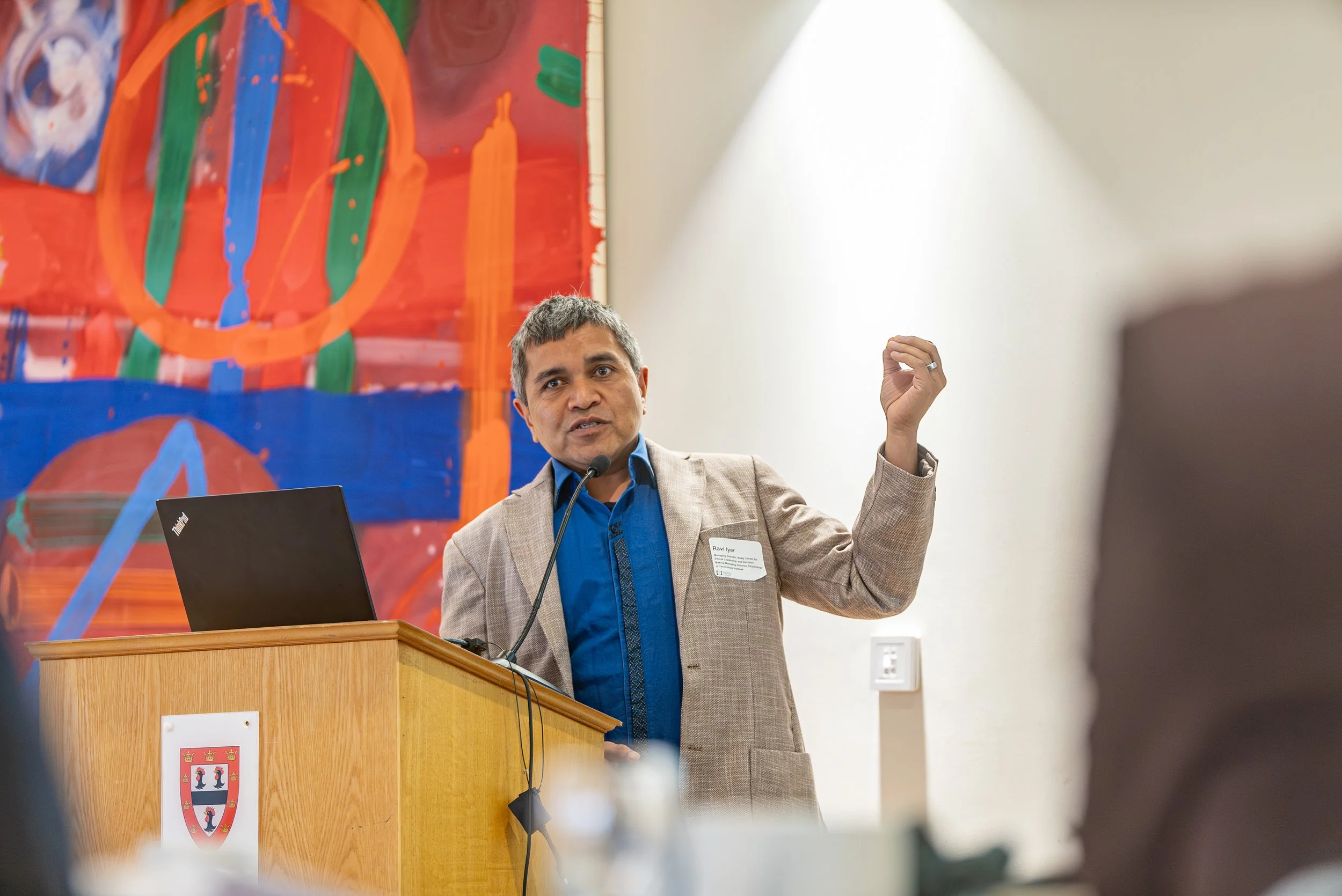
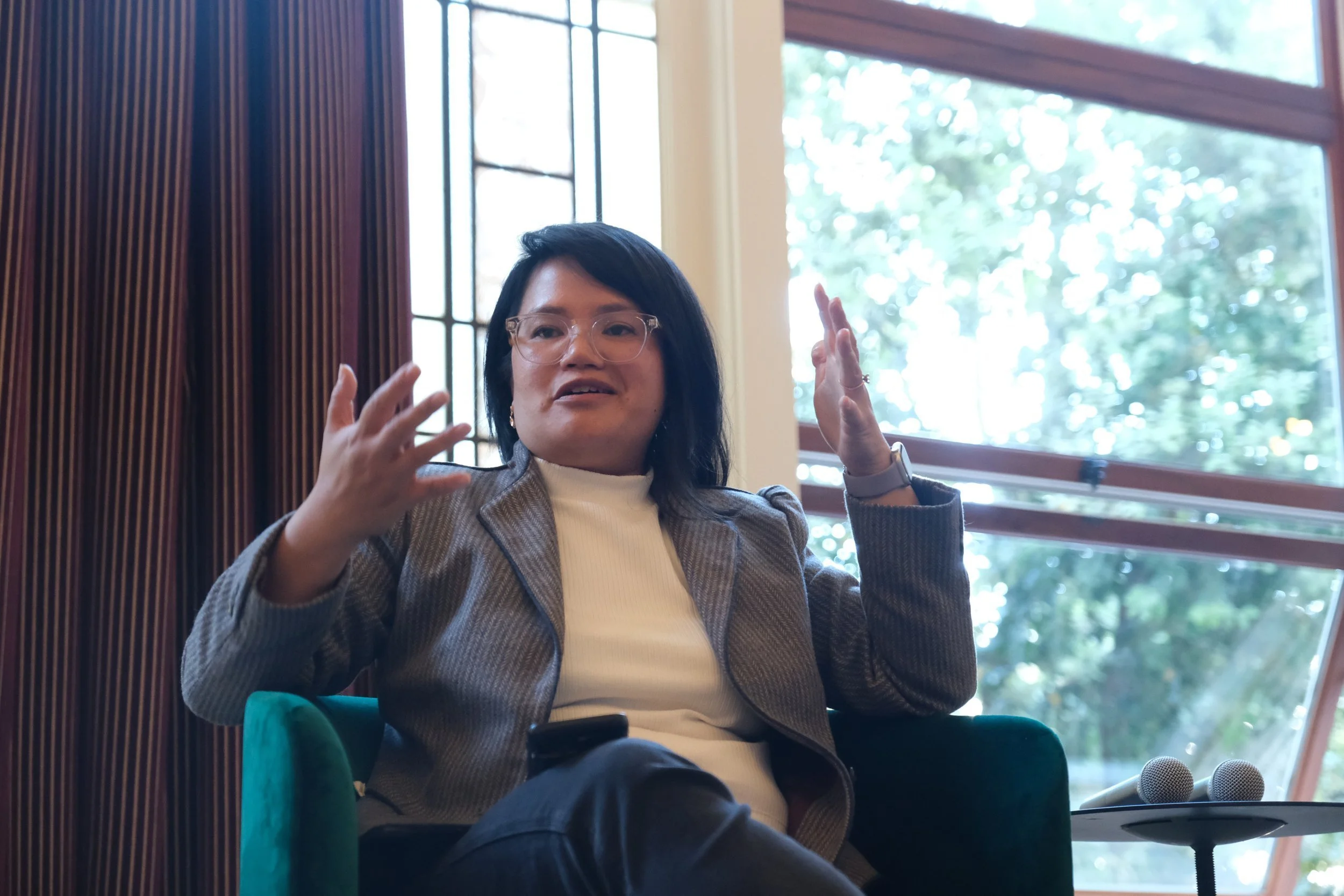
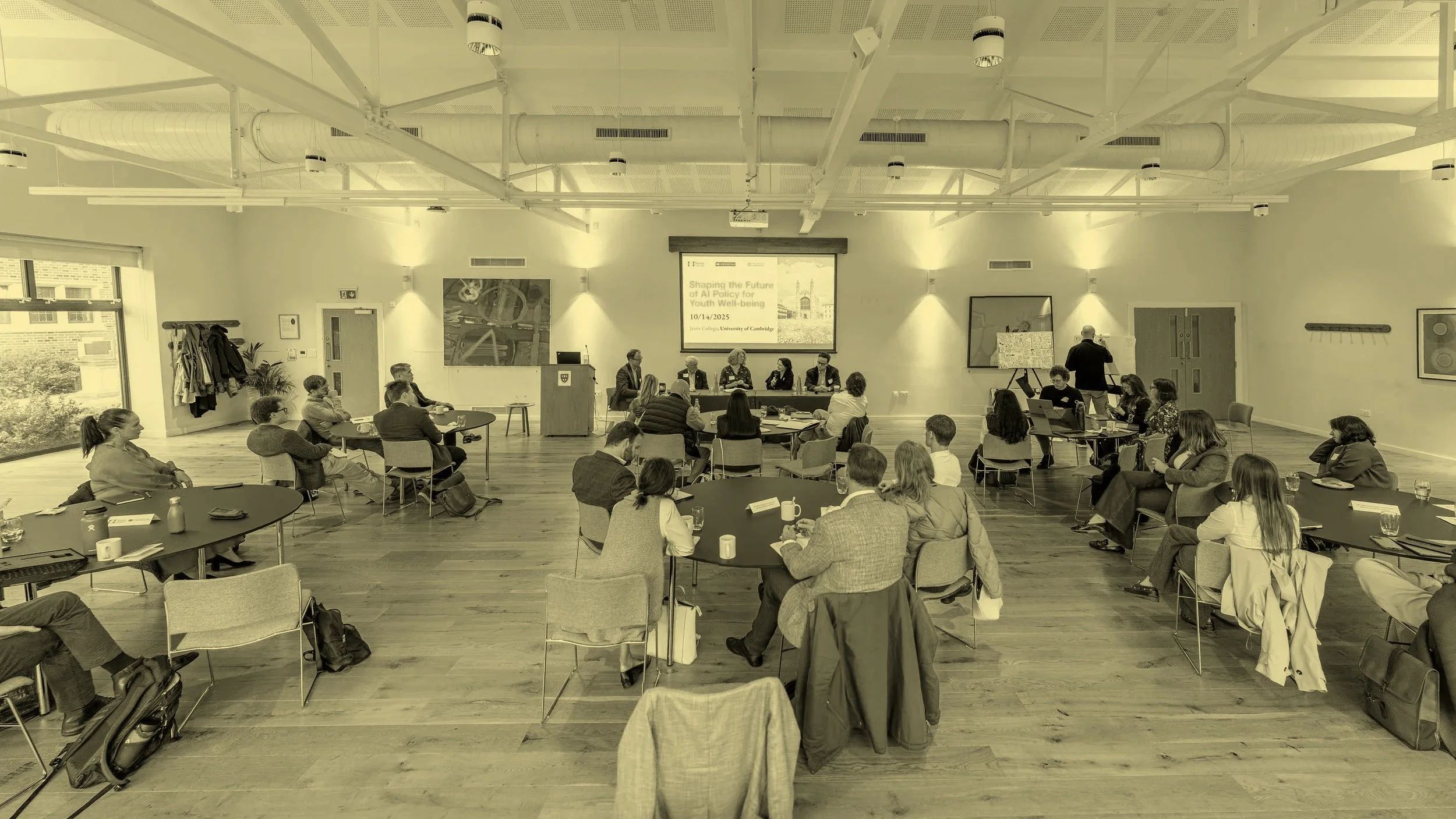
In October 2025, we hosted our second major convening, Shaping the Future of AI Policy for Youth Well-being, in partnership with the Leverhulme Centre for the Future of Intelligence at the University of Cambridge. Watch highlights of our recent event below.
Who We Serve
Technologists / Builders
Creators and implementers of AI systems who design, develop, and deploy technologies that shape how people live, work, and connect.
Researchers
Scholars and analysts who generate evidence, insights, and frameworks to understand AI’s impacts and guide its responsible evolution.
Policy Experts
Government, regulatory, and governance professionals who craft rules, standards, and guidance to ensure AI serves the public good.
Civil Society Leaders
Nonprofit, community, and philanthropic leaders who represent societal needs and advocate for human-centered outcomes in the AI era.
Faith Leaders
Clergy, spiritual guides and leaders of wisdom traditions who help communities discern the moral, ethical, and human implications of AI for dignity, meaning, and flourishing.
Funders
Investors and philanthropic leaders who resource the ideas, research, and innovations needed to ensure AI advances human flourishing and societal well-being.
Our Events
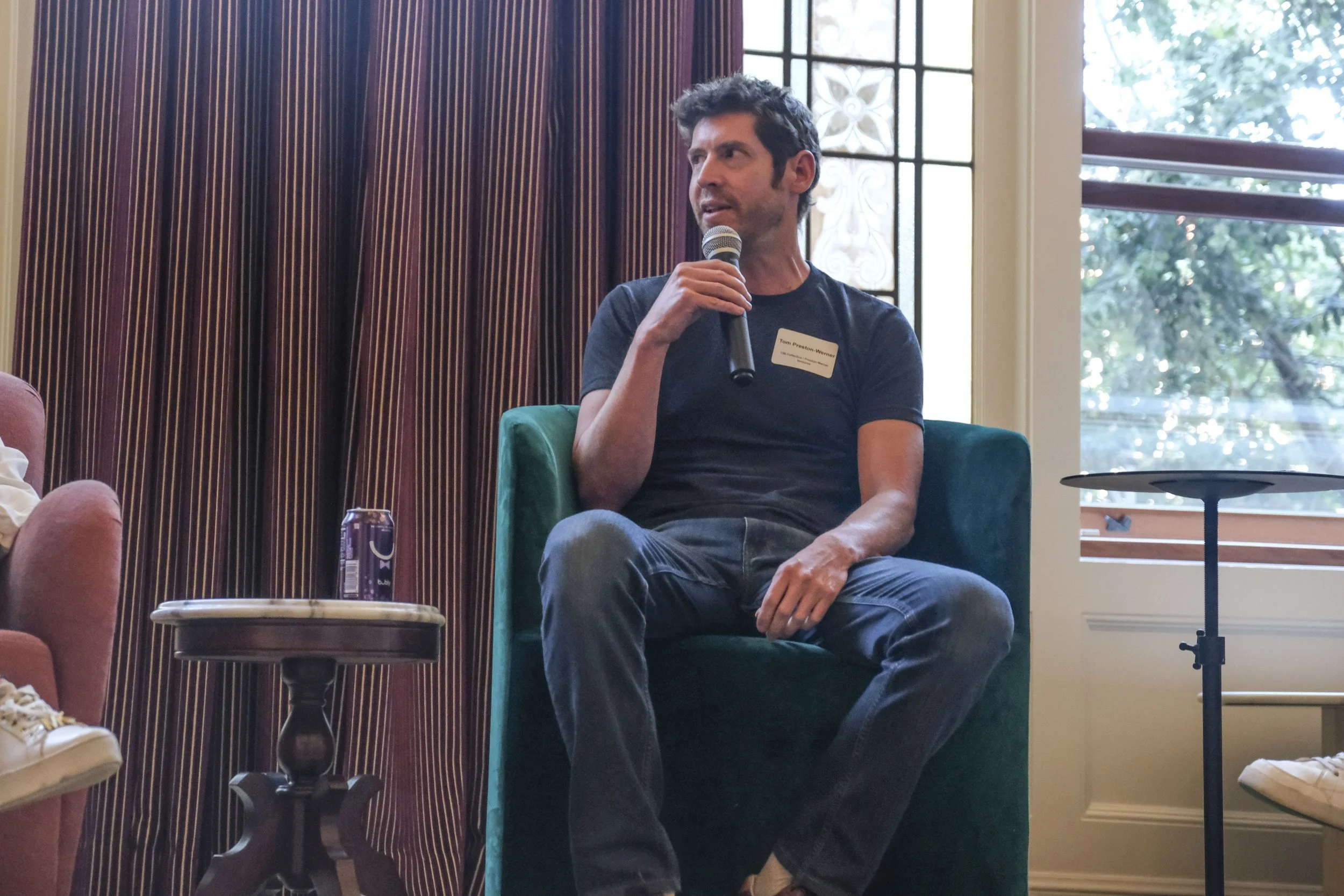
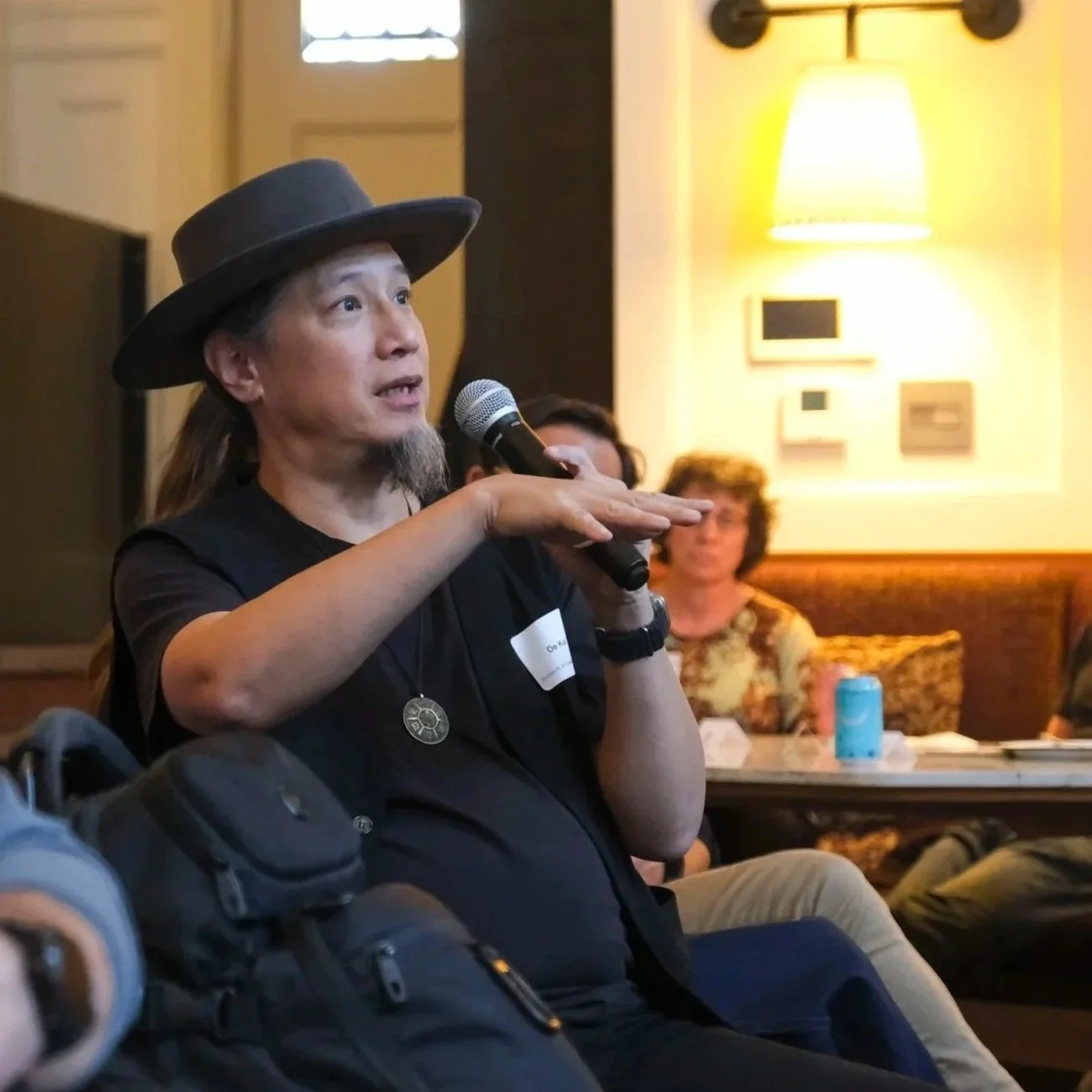
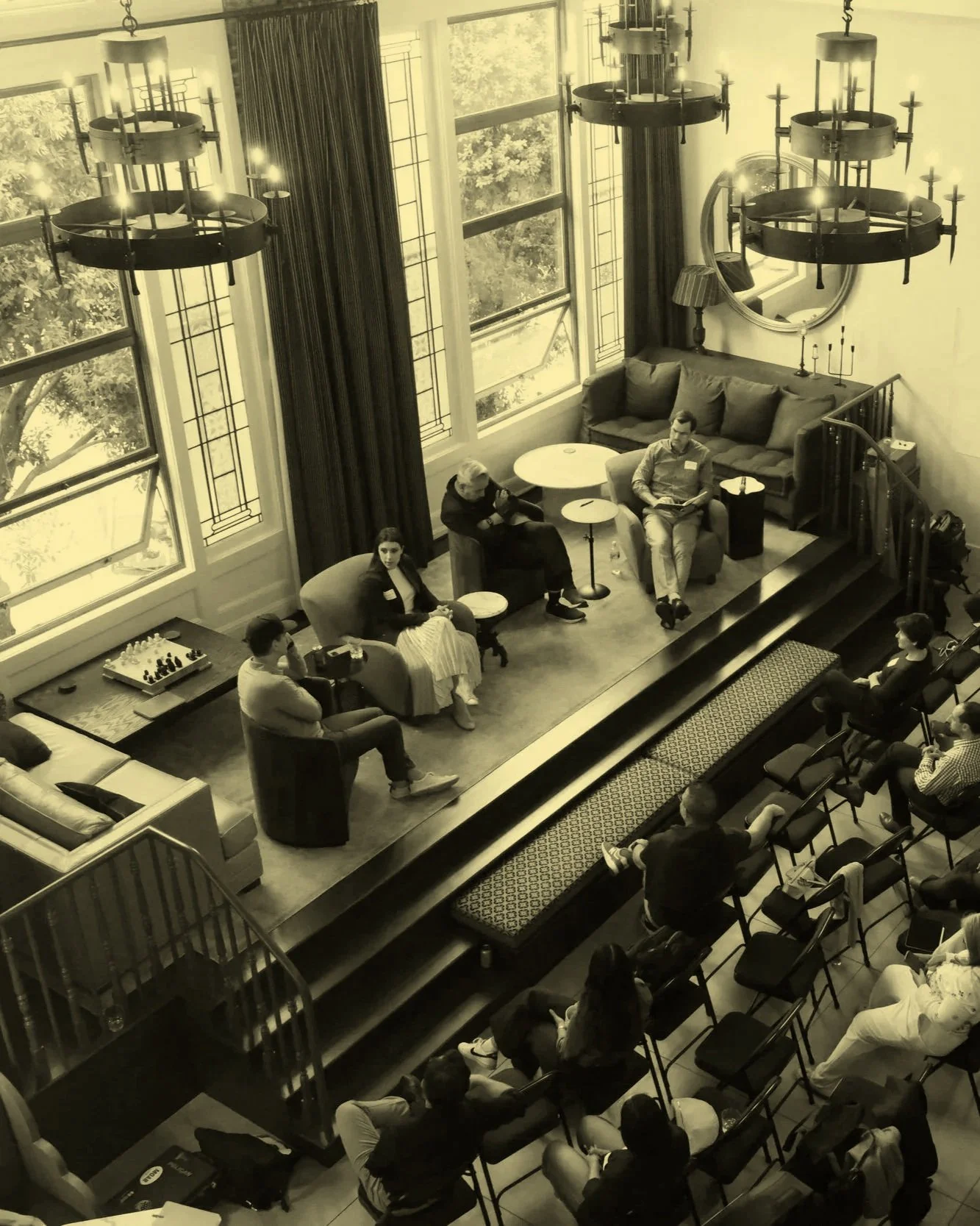
Designing AI Systems for Human Flourishing
HumanConnections.AI
Powered by Noēsis Collaborative
Shaping the Future of AI Policy for Youth Well-being
In partnership with the
Leverhulme Centre for the Future of Intelligence
Event Participants




















Noēsis News

AI and the Future of Higher Education: Preparing Students for “the Good Life” and “Good Livelihoods” in the Age of AI
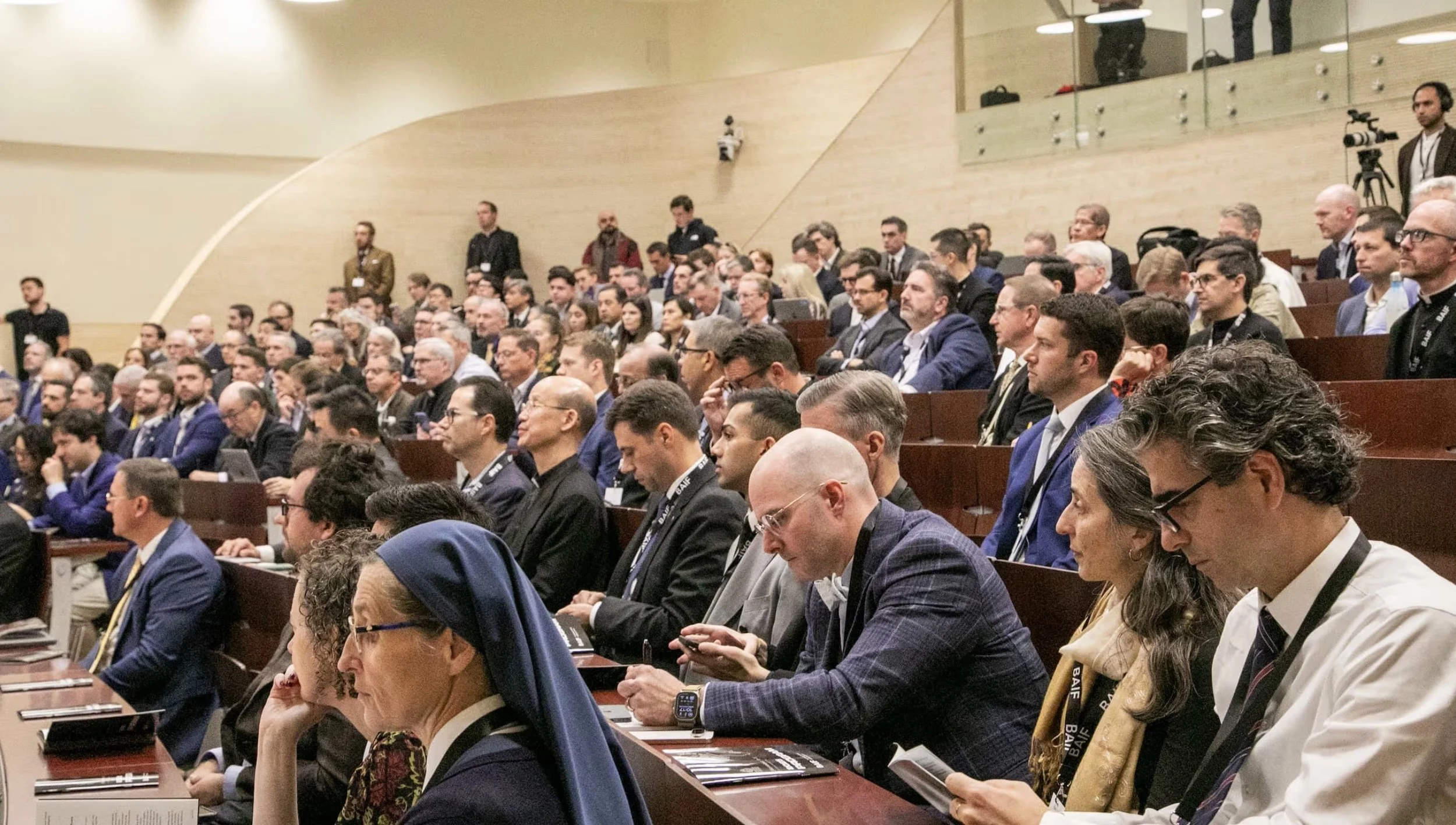
Builders AI Conference at “the Pope’s University” | Interview with NCR Vatican Correspondent
Builder’s AI Conference at the Pope’s University, the Pontifical Gregorian University
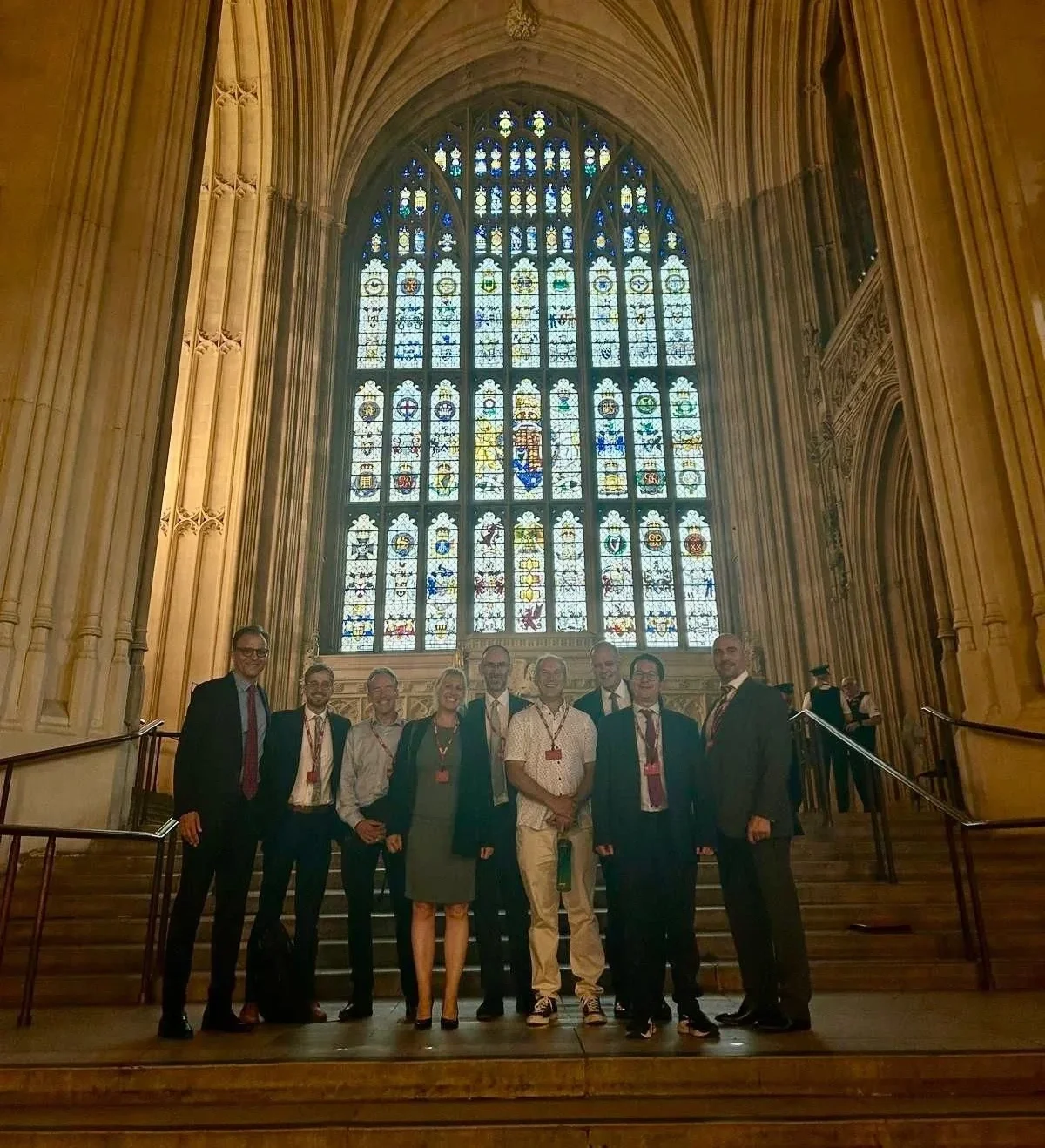
House of Lords | HumanConnections.AI Roundtable Dinner
Our team recently joined Lord Russell Rook at the House of Lords within the British Parliament for a gathering of interfaith and technology leaders around the theme of AI, Human Values, and UK Opportunities …
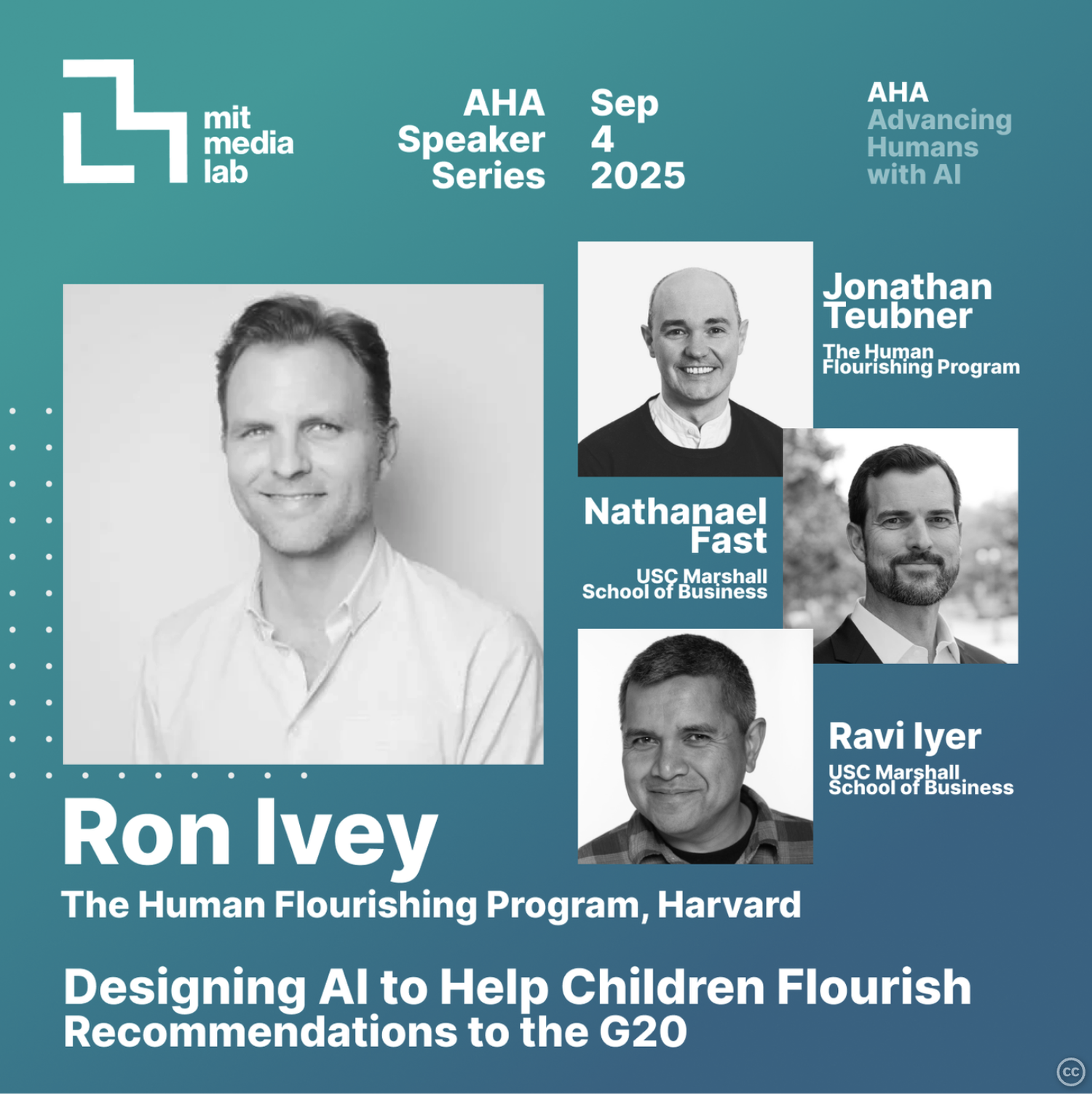
MIT Media Lab + USC Neely Center + Harvard Human Flourishing Program | AHA Speaker Series: Designing AI to Help Children Flourish
Artificial intelligence (AI) innovation offers numerous benefits, yet its rapid development also presents significant risks, particularly for children. AI chatbots, powered by large language models (LLMs), are becoming increasingly integrated into daily life, with platforms such as ChatGPT and Character.AI attracting hundreds of millions of users, including minors …
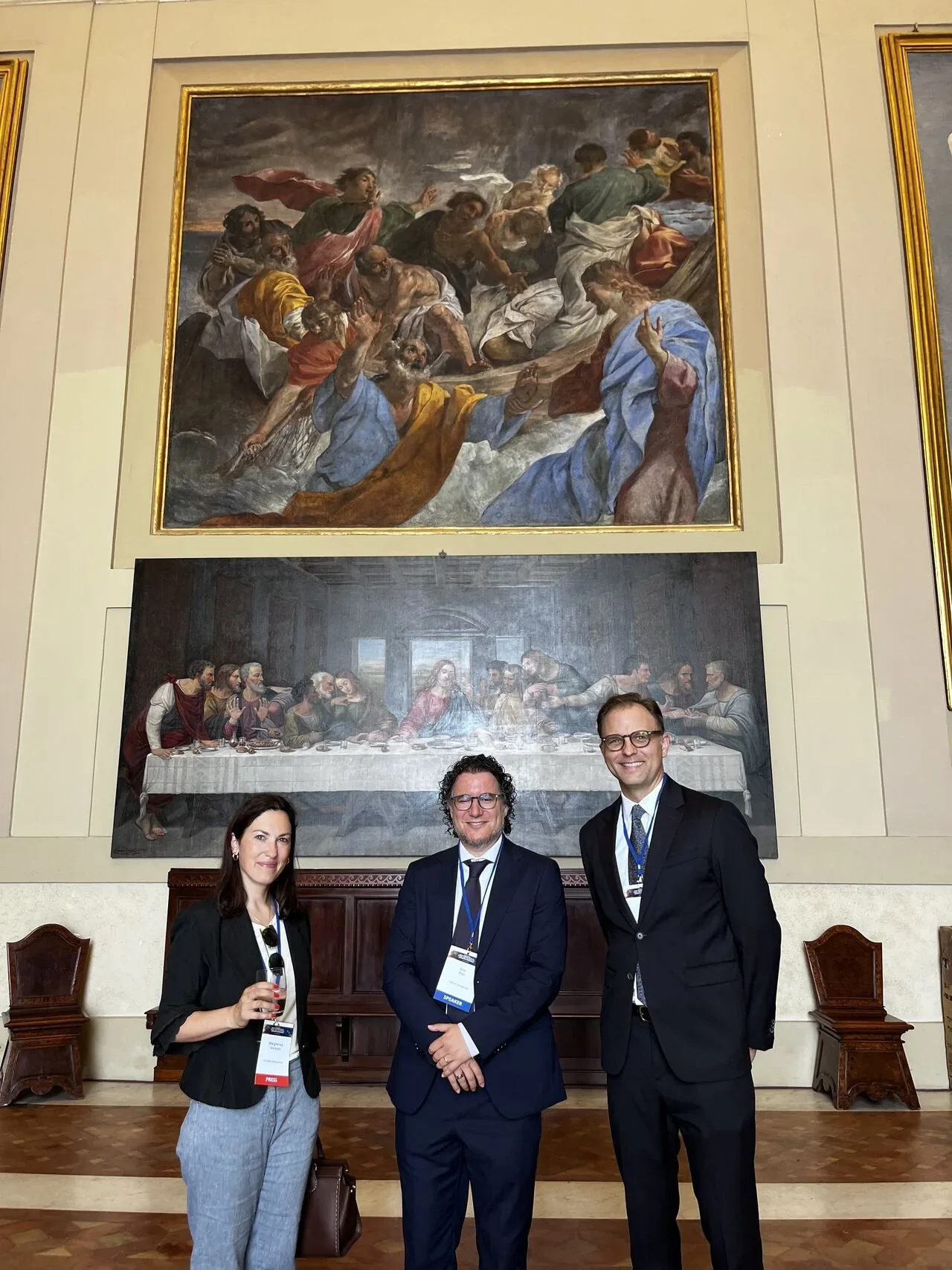
The Vatican | Rome Conference on AI, Ethics, and the Future of Corporate Governance
On June 19-20, our Founder, Ron Ivey attended the Second Annual Rome Conference on AI, Ethics, and the Future of Corporate Governance at the Aposolitic Palace …
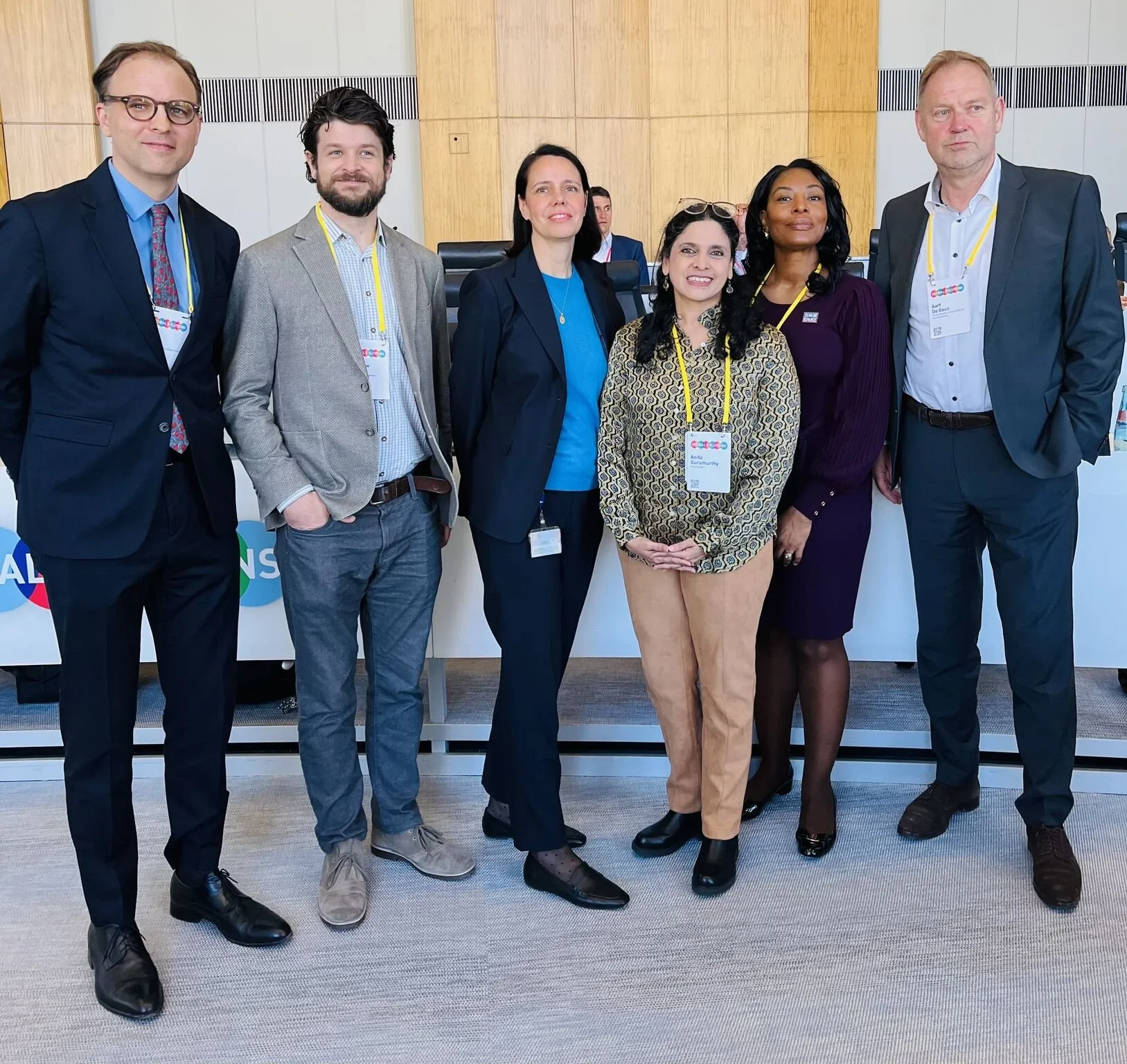
Noēsis Provides Recommendations to the G20 | Designing AI to Help Kids Flourish
Founder, Ron Ivey, recently spoke on AI and human flourishing at the Global Solutions Initiative Summit, an advisory body to the G20. He presented a policy brief …
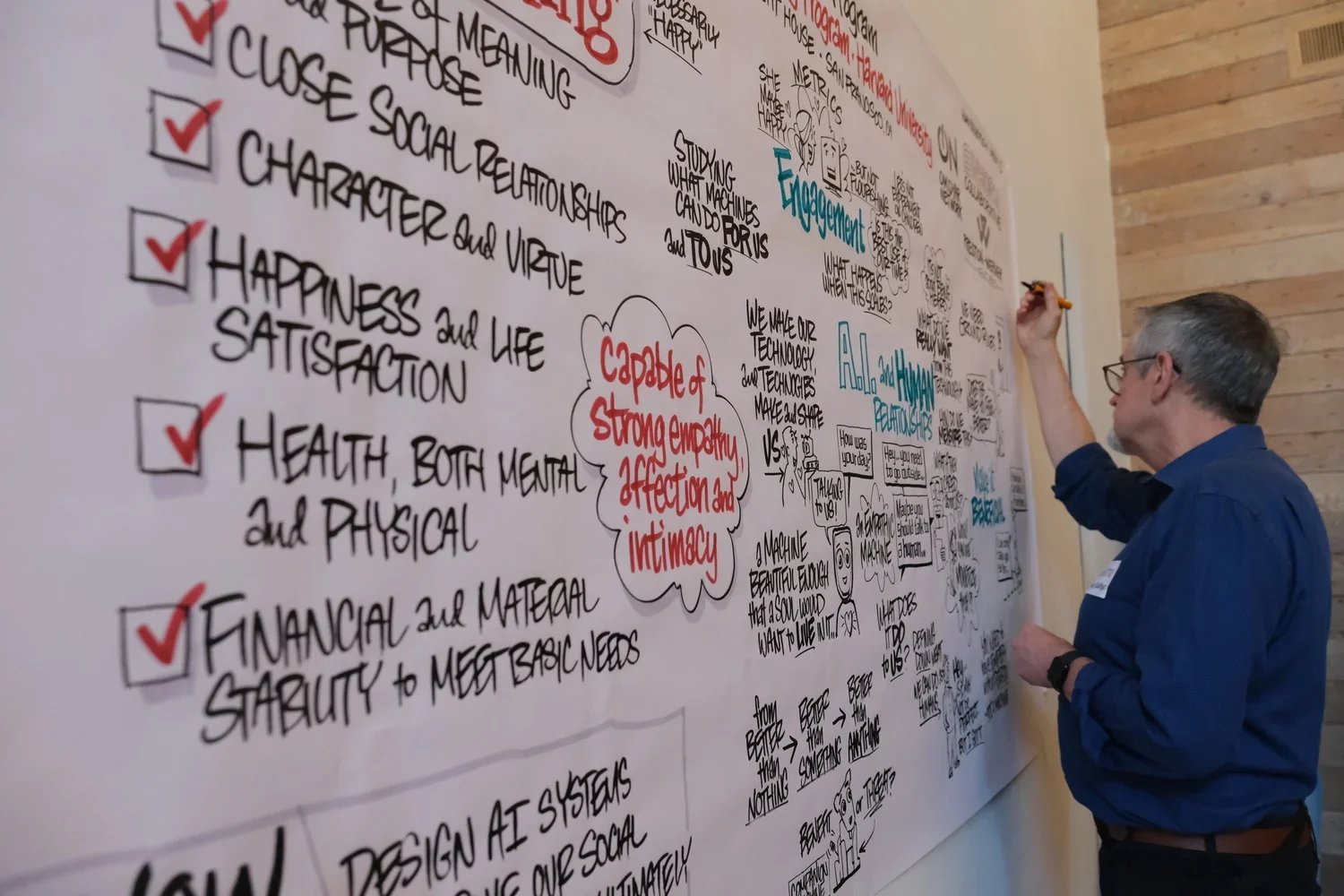
Harvard Human Flourishing Program + HumanConnections.AI | Social AI White Paper
Our HumanConnections.AI program recently published a white paper called: Social AI and Human Connections: Benefits, Risks and Social Impact. Drawing on a review of recent literature, expert interviews …
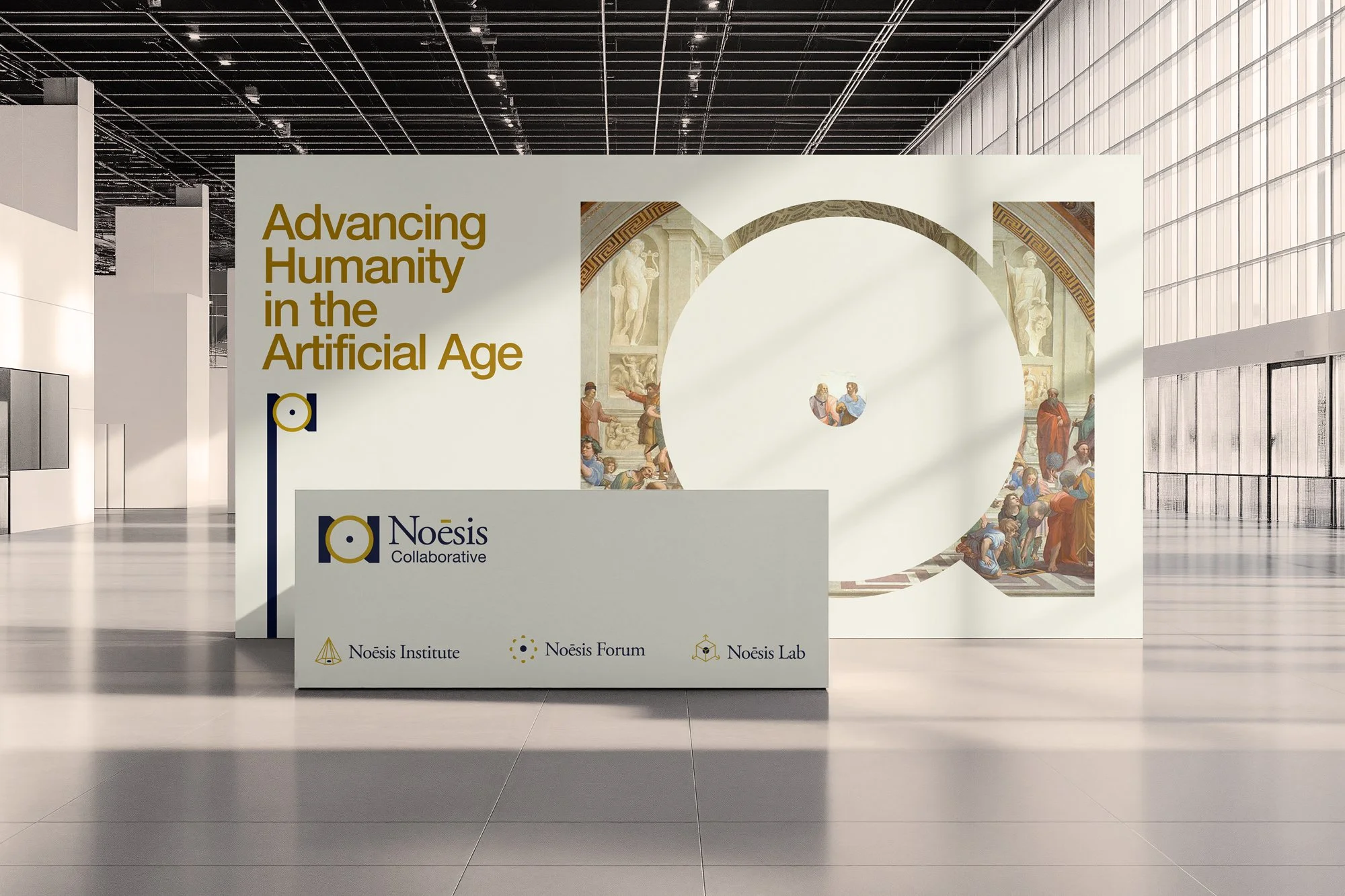
Welcome to Noēsis Collaborative
Noēsis Collaborative is a new nonprofit organization building a collaborative ecosystem of leaders who research, build, and govern technologies that advance human flourishing.

Interview with Andrew McStay, Author of Automated Empathy.
Humanconnections.AI interview with Andrew McStay, Author of Emotional AI and Automated Empathy, Founder of the Emotional AI Lab and Professor of Technology and Society, Bangor University at the HumanConnections.AI Salon …

Interview with De Kai Wu, AI Pioneer and Author of Raising AI.
In this @humanconnectionsai interview, De Kai provides his perspective on AI and human relationships and the perspectives on the future of this new frontier …